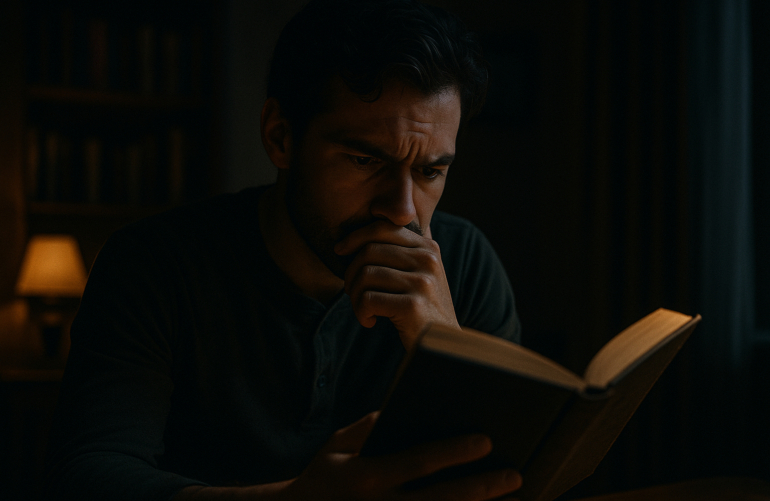
In a good mystery or thriller the atmosphere carries as much weight as the plot, drawing readers into a world that feels dangerous, intimate, or both. Creating that mood means paying attention to sensory detail, rhythm, and the small moments that unsettle rather than shock. Writers often rely on setting and tone to suggest threats that might never be fully explained, which keeps curiosity and tension alive. This article outlines practical techniques to craft a sustained atmosphere that enhances suspense without overwhelming the story.
Setting the Tone
Begin by choosing a tonal anchor—a repeated image, weather pattern, or domestic detail—that signals unease each time it appears and becomes meaningful through repetition. Use concrete sensory details to ground scenes: sounds that interrupt silence, the smell of stale coffee, or light filtered through blinds can all imply danger without naming it. Keep language precise and purposeful; the wrong adjective can flatten tension, while the right verb can sharpen it. Subtext matters: allow ordinary dialogue and actions to carry double meanings so readers sense threats before characters do.
- Sound cues: creaks, abrupt silences, distant traffic.
- Visual motifs: shadows, reflections, recurring objects.
- Physical sensations: cold hands, a pounding heart, restricted movement.
Rotate these motifs through different scenes to build a coherent emotional map for the reader. Over time their recurrence should feel inevitable and ominous rather than repetitive.
Character and Suspense
Characters are the lens through which atmosphere becomes personal, and their perceptions determine how readers interpret mood. Establish what your protagonist notices and what they dismiss, then allow that selective attention to create gaps that readers will fill with suspicion. Secondary characters can embody uncertainty—an overly helpful neighbor or a secretive colleague introduces moral ambiguity that thickens the air. Keep internal thinking restrained so tension comes from observable choices and masked emotions rather than long expository passages.
Make character choices reverberate through setting and action so that emotion and environment reinforce one another. This alignment deepens immersion and maintains suspense between plot beats.
Pacing, Reveal, and Misdirection
Atmosphere depends on rhythm; slow scenes can be as charged as fast ones if they are tightly observed, while rapid exchanges can unsettle when details feel fragmented. Space out reveals to reward patience: small confirmations of threat should appear at unpredictable intervals to prevent complacency. Misdirection is a craft—use plausible false leads that respect cause and effect so the eventual reveal feels earned rather than arbitrary. Manage paragraph and sentence length to manipulate the reader’s breathing and attention, shortening lines during crises and lingering in description when dread should accumulate.
- Timing: alternate quiet stretches with abrupt confrontations.
- Sentence craft: vary cadence to mirror tension levels.
Readers should feel guided, not tricked, toward unsettling conclusions. Thoughtful pacing makes atmosphere feel like an active participant in the narrative.
Conclusion
Atmosphere is a deliberate construction built from detail, character perception, and pacing that together sustain suspense and deepen stakes. By refining sensory cues, anchoring mood in character choices, and carefully timing revelations, writers create environments that haunt readers after the last page. Practicing these techniques will help your mysteries and thrillers feel both immediate and memorably eerie.