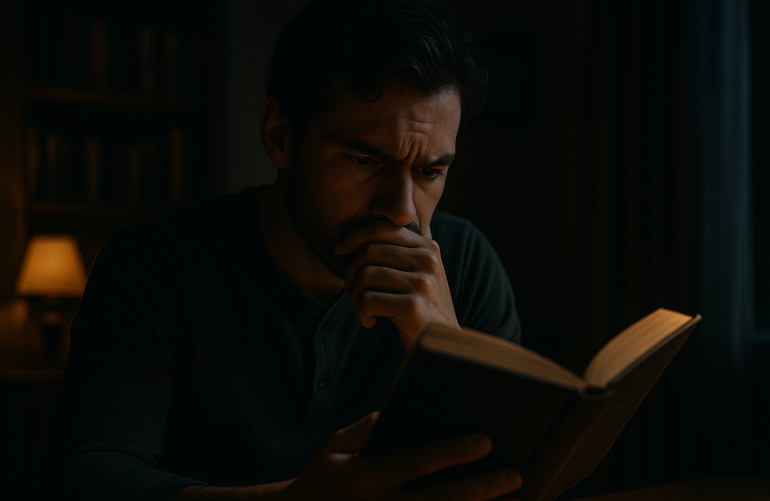
Every great mystery keeps readers guessing — but the best ones make them exclaim, “Of course!” when the truth is finally revealed. The art of planting clues lies in giving readers enough information to stay engaged while hiding the full picture until the very end. It’s a delicate balance between subtlety and satisfaction, where every hint feels fair in hindsight.
The Subtle Art of Foreshadowing
Foreshadowing is one of the most effective ways to plant clues. It creates anticipation without revealing too much. A casual line of dialogue, an object briefly mentioned, or a seemingly minor detail can all serve as breadcrumbs that guide readers toward the truth.
The key is restraint. Foreshadowing should make sense only after the reveal — not before. For example, a character’s odd behavior or a recurring symbol might seem irrelevant at first but later becomes the puzzle piece that completes the story.
Hide Clues in Plain Sight
The most satisfying mysteries are those where the answers were visible all along, hidden in plain sight. Authors achieve this by blending crucial clues with everyday details. When a clue appears among irrelevant information, it doesn’t draw attention to itself but still rewards observant readers.
For instance, if a character leaves a window open “for fresh air,” that small action could later explain how someone entered the room undetected. The moment feels natural in context but gains importance after the twist is revealed.
Use Red Herrings Wisely
A well-placed red herring — a misleading detail or assumption — keeps readers from guessing the truth too soon. However, these must feel logical within the story, not random or forced. The goal is to distract, not deceive unfairly.
Red herrings work best when they reveal something about the characters or world, even if they lead readers down the wrong path. This ensures the false trail still adds depth rather than serving as mere trickery.
Clues Through Character Behavior
Characters themselves can be powerful vessels for clues. Their actions, emotions, and contradictions often hint at deeper truths. A character who hesitates before answering a question or avoids a certain topic might unknowingly give away something vital.
The trick is to make these behaviors feel natural and motivated by personality rather than plot necessity. Readers should sense something is off but can’t quite identify what — until the ending ties it all together.
Balance Clarity and Mystery
The biggest challenge in planting clues is maintaining balance. Give readers too little, and the twist feels random. Give too much, and they solve it too soon. Each clue should serve two purposes: to build the story’s logic and to subtly prepare readers for the resolution.
Ask yourself: Would a careful reader be able to piece things together on a second read? If yes, you’ve struck the right balance.
Conclusion
Planting clues without spoiling the ending is about trust — trusting readers to notice, question, and connect. It’s a storytelling dance between what you reveal and what you conceal. When done well, the payoff is immense: readers feel both surprised and satisfied, realizing the clues were right there all along.
In mystery writing, the magic isn’t just in the twist — it’s in the trail that leads to it. Every detail matters, and every clue, no matter how small, becomes part of the grand design.