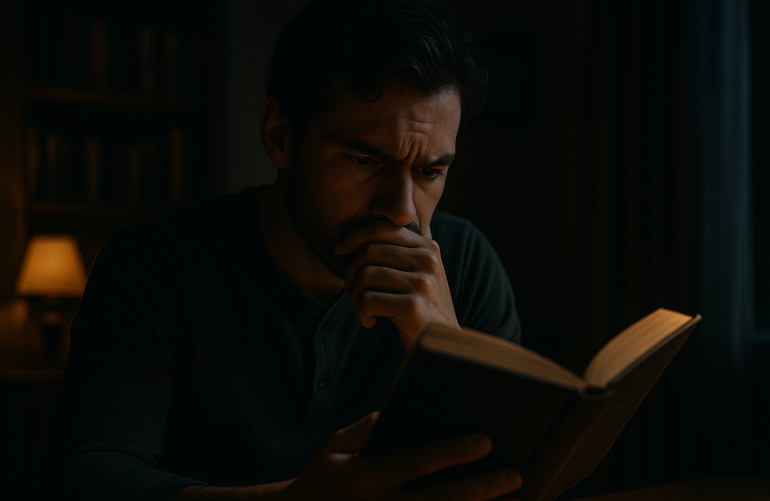
In detective fiction, the setting is far more than a backdrop—it is an active force that shapes suspense, clues, character behavior, and the overall mood of the mystery. From foggy streets and dimly lit alleys to quiet suburbs hiding dark secrets, the setting becomes a silent witness to the crime. It heightens tension, influences the investigation, and often becomes a character. The strongest detective stories use setting to deepen intrigue and guide readers through a world filled with hidden truths.
Building Atmosphere and Suspense
A well-crafted setting immediately sets the tone of the mystery. Dark, rain-soaked cities evoke danger and uncertainty, while isolated mansions or small rural towns create a sense of claustrophobia. The environment subtly prepares readers for deception, surprise, or confrontation. By controlling atmosphere, authors manipulate emotions and keep readers on edge.
Shaping Clues and Plot Development
The setting also determines what clues can exist. A bustling city allows for complex alibis, missing surveillance footage, or hidden crime scenes. Meanwhile, a quiet village may reveal secrets through gossip, local routines, or the geography of a familiar neighborhood. Weather, architecture, and noise levels can all influence how clues appear—or how they are missed. Setting becomes a tool that both reveals and obscures the truth.
Reflecting Character Psychology
Detective fiction often uses settings to mirror the inner conflicts of characters. A detective haunted by the past may work in a bleak, decaying environment, while a criminal hiding in plain sight may thrive in a cheerful but deceptive community. These subtle connections between place and personality add emotional depth to the narrative.
Enhancing Immersion and World-Building
One of the joys of detective fiction is feeling transported into another world. Whether it’s 1920s London, a futuristic metropolis, or a sleepy seaside town, the setting immerses readers in a unique culture, time, and social landscape. This immersion strengthens the mystery because every detail—even the layout of a street or the habits of locals—can play a role in solving the case.
Conclusion
In detective fiction, setting shapes mood reveals clues, and deepens character development. It creates tension, fuels mystery, and guides the reader through the investigation. By transforming location into an integral part of the story, authors craft richer, more compelling narratives—proving that the impact of setting is just as important as the detective or the crime itself.