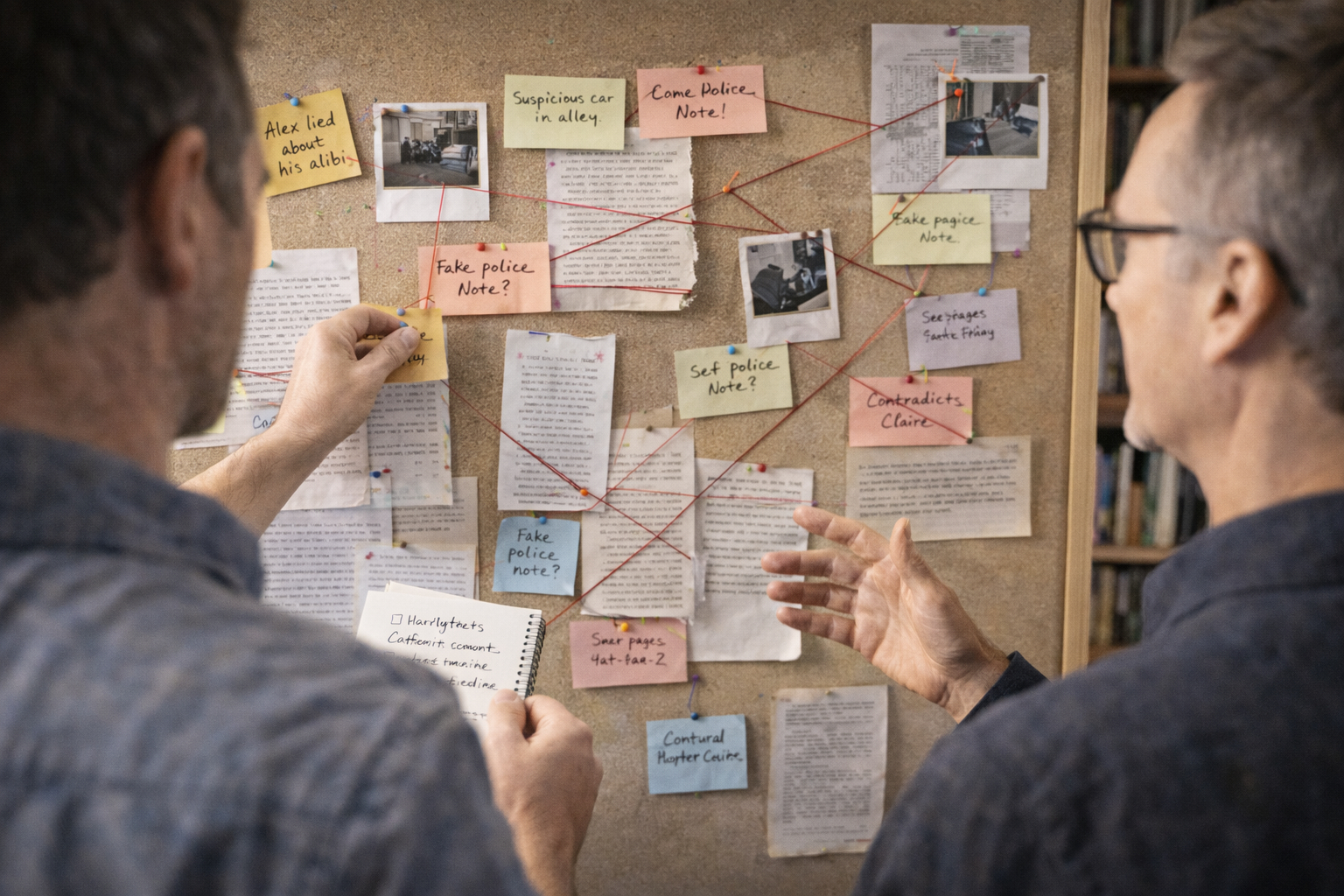
Unreliable narrators and shifting perspectives, when used carefully, can transform a straightforward plot into a twisting puzzle that keeps readers guessing. The trick is to balance concealment with fairness so the reader feels surprised but not cheated. Small, specific choices about voice, memory, and omission determine whether a narrator is intriguing or simply opaque. This article outlines practical techniques for inventing perspectives that deepen mystery and reward close reading.
Choosing the Right Unreliable Voice
Choose an unreliable voice that serves the story’s central conflict rather than eclipsing it. First-person narrators, for example, can conceal motives through selective memory or self-justification, while third-person limited can hide facts by restricting access. Consider the narrator’s stakes, emotional blind spots, and patterns of rationalization; these shape what they omit and how they color events. Ground the voice in sensory detail and consistent bias so readers can detect the pattern. Let small lies reveal character as much as plot.
When the unreliability arises organically from character, it feels inevitable and fair. That integrity keeps readers invested even as the truth shifts.
Planting Misleading Details Without Frustrating Readers
Plant misleading details that are plausible and repeatable so they build patterns rather than obvious red herrings. Use concrete props, recurring images, or routine habits that readers notice, then reinterpret later when context changes. Make sure some clues remain honest: a single verifiable fact or an objective witness can anchor the narrative and allow readers to test hypotheses. The balance between deceit and evidence is what creates satisfying revelations.
- Physical artifacts with ambiguous ownership
- Conflicting small observations from secondary characters
These devices invite re-reading while preserving the element of surprise. Keep the ratio of honest to misleading evidence tilted just enough toward solvability. Readers appreciate puzzles that feel solvable on a second read.
Pacing Reveals and Perspective Shifts
Timing is crucial: reveal perspective shifts deliberately to maximize impact without derailing comprehension. Use chapter breaks, scene cuts, or microshifts inside scenes to signal a new vantage point and to recast prior events. Consider unreliable memory as a device that can both conceal and reveal as fragments return over time. Pacing the reveals lets suspense accumulate and then resolves with emotional clarity.
Careful rhythm makes each twist feel earned rather than arbitrary. Readers should be able to trace the logic once the final pieces fall into place.
Conclusion
Unreliable perspectives are powerful tools for modern mystery writers when they are motivated, consistent, and balanced with honest anchors. Designing misleading details and pacing reveals thoughtfully will keep readers engaged and satisfied. Aim for revelations that reward attention rather than punish trust.