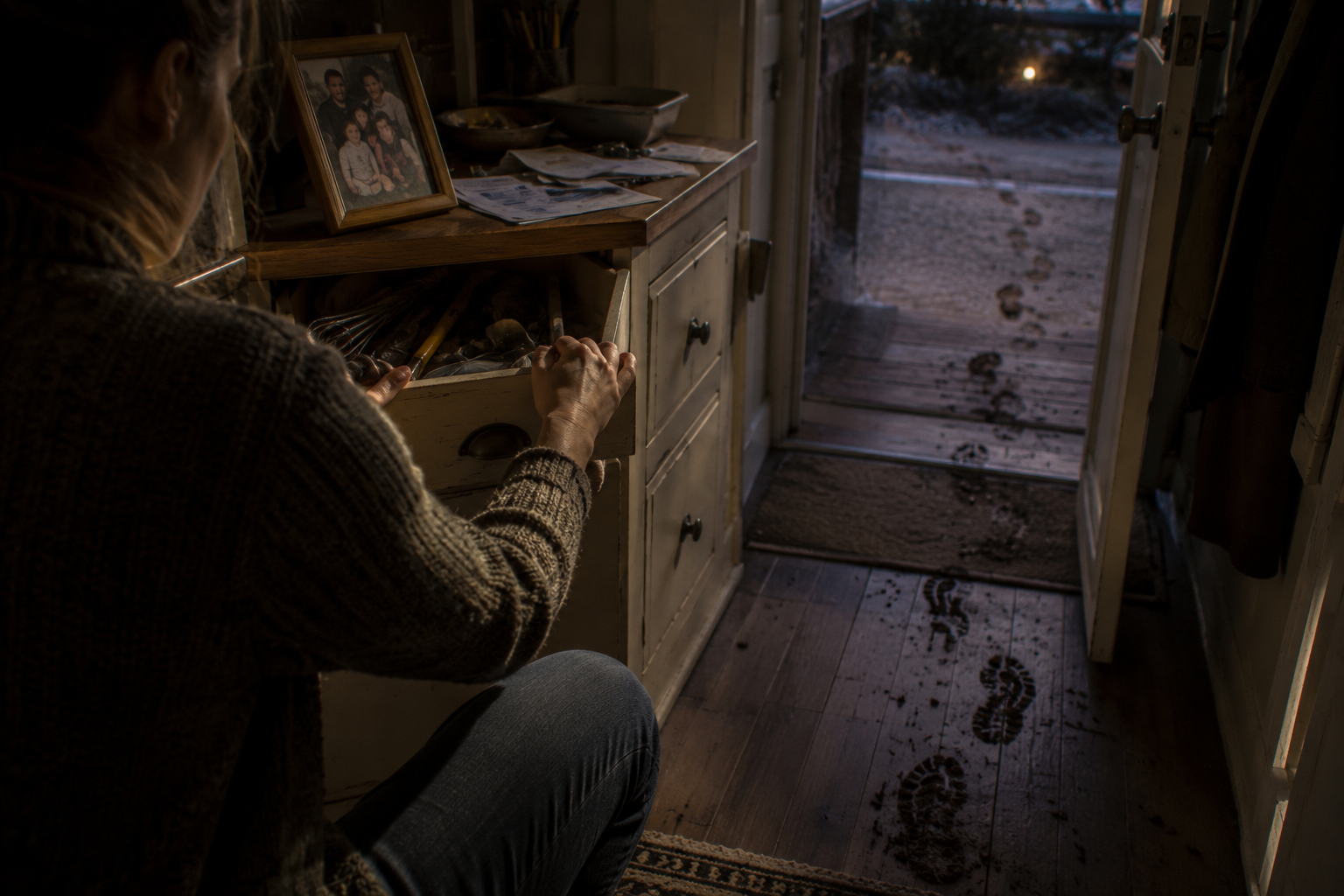
Minor domestic flaws — a stuck drawer, a misplaced photograph, a habit of leaving doors ajar — can be quiet engines of suspense when handled deliberately. These small details feel familiar, low-stakes, even benign, which is precisely why they unsettle when later revealed as pivotal. Writers can use them to flip a reader’s sense of safety and to make escalating peril feel inevitable rather than arbitrary. This piece explores practical ways to plant domestic imperfections so they grow into credible, emotionally resonant threats.
Anchoring Details to Character
When a domestic flaw is tied to character, it gains motive and meaning. A forgetful protagonist who always misplaces keys makes a lost key more than a prop; it becomes a reflection of their inner life and a plausible avenue for trouble. Choose imperfections that reveal habits, vulnerabilities, or histories so that later consequences feel earned. Readers should be able to trace how a person’s routines create opportunities as the plot tightens.
Anchor each detail in behavior rather than exposition to maintain subtlety. Small, repeated touches in dialogue or action cement a detail without drawing attention to its future role.
Turning Habit into Threat
Habits gain power when they interact with external forces: an unreliable smoke detector, a always-park-on-the-street routine, or a neighborly errand. These interactions create believable friction where danger can slip in naturally. Consider the logic of escalation so that each flawed routine compounds risk rather than feeling like a contrivance. Mapping how a single domestic habit cascades into consequence helps maintain narrative plausibility.
- Plant an inconspicuous object early and use it for misdirection later.
- Repeat a mundane action to normalize it before subverting expectations.
Use subtle foreshadowing, not blinking sirens, so readers remember details without feeling manipulated. Let the habit’s payoff arise from cumulative friction.
Revealing and Withholding: Pacing the Domestic Unravel
Pacing is essential: reveal too much too soon and the threat loses mystery; reveal too late and it feels unfair. Space reminders of the domestic flaw across scenes to build recognition, then choose moments that maximize emotional stakes for revelation. The timing should align with character choices so that discoveries prompt believable reactions rather than expository dumps. Consider alternating perspectives to let readers sense unease before characters do.
Control payoff tempo by matching reveal strength to the story’s midpoint and climax. Each revelation should increase pressure and clarify consequences without resolving every uncertainty.
Conclusion
Small domestic flaws become compelling threats when they are motivated, plausible, and paced with care. By weaving habits into character, allowing interactions to escalate, and timing revelations deliberately, writers can convert ordinary details into sustained tension. The result is suspense that feels inevitable and emotionally true.