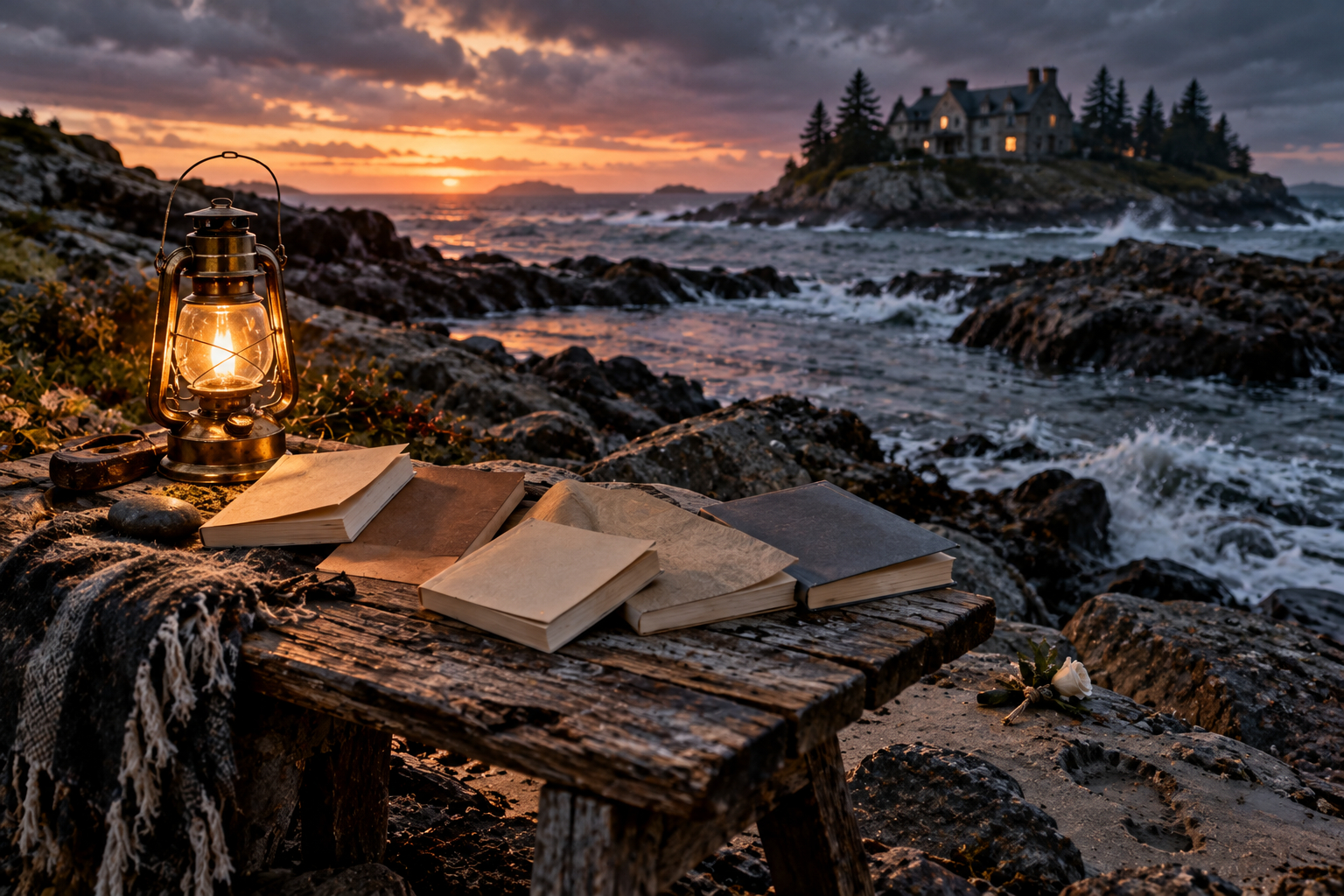
Isolation does something to a story: it amplifies every creak, magnifies small betrayals, and makes even polite silences feel dangerous. These five thrillers use remote houses, islands, and locked-down institutions as more than backdrop — they make place act like a character, closing doors while secrets press in.
The Shining — Stephen King
Set in the snowbound Overlook Hotel, King’s novel leans into the claustrophobia of long winters and a building full of histories. The hotel’s empty corridors and blizzard-packed roads turn ordinary worries into survival-level stakes. Read it for the slow-burn dread and the way solitude scrapes at a family’s sanity.
Shutter Island — Dennis Lehane
Lehane drops a U.S. Marshal into Ashecliffe Hospital on an island where the tides and the staff keep watch. The setting tightens the mystery: transport off the island is limited, rumors have weight, and every locked ward raises questions about who is keeping whom prisoner. Tension builds through atmosphere and the feeling that nowhere is safe to land.
And Then There Were None — Agatha Christie
One of the most economical demonstrations of how isolation sharpens motive: ten strangers invited to an island, cut off from the mainland. Christie pares the situation down to a perfect puzzle — a small cast, an enclosed place, and a relentless sequence of revelations. It’s the textbook example of how distance from help can become a crucial plot engine.
The Woman in Cabin 10 — Ruth Ware
A thriller structured around a single setting: a luxury cruise ship. Ware uses the narrow architecture of a ship and the constant presence of other passengers to heighten paranoia—who can you trust when every exit loops back inside? The protagonist’s limited vantage point keeps you guessing about what’s real and what’s imagined.
The Guest List — Lucy Foley
Set on a windswept private island during a glamorous wedding, Foley’s novel threads together a group of guests whose pasts collide with the place’s remoteness. The island isolates not just bodies but motives, and the party atmosphere makes every slight feel loaded. Multiple perspectives reveal how quickly celebration can curdle into suspicion.
Conclusion
If you like your suspense thickened by distance from help, these books show how walls, water, and winter can turn ordinary fears into inescapable pressure. Each one proves that sometimes the loneliest places tell the loudest stories.