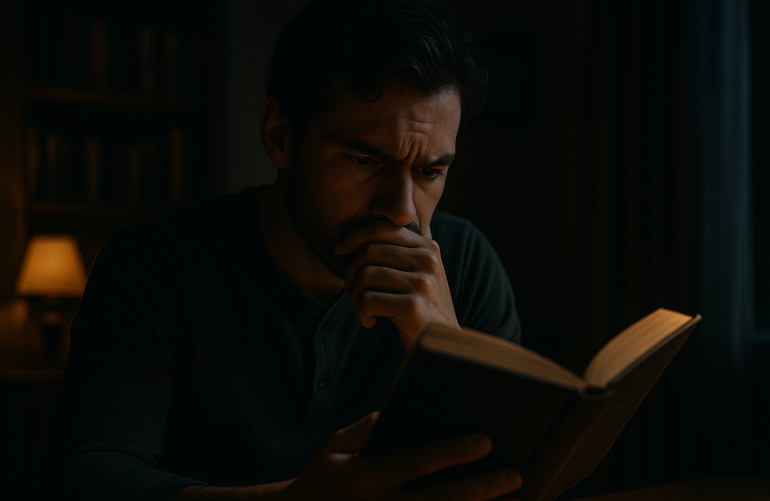
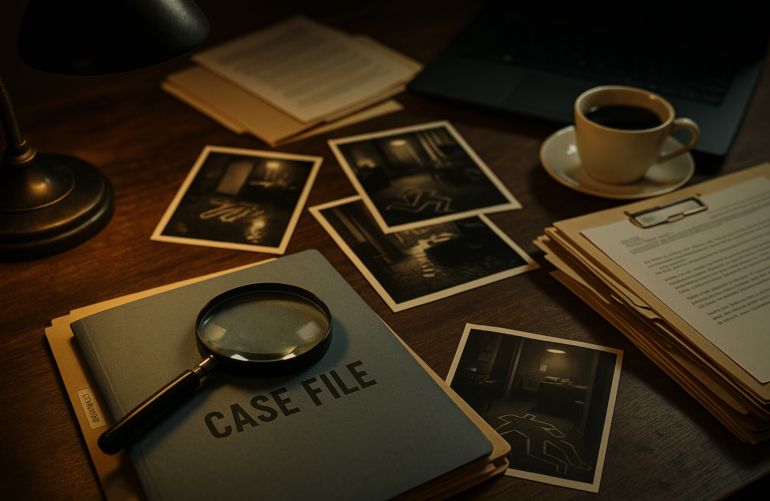
Suspense is the lifeblood of every mystery novel. The masters of this genre—Agatha Christie, Gillian Flynn, and Stephen King—don’t just tell stories; they orchestrate an emotional journey that keeps readers guessing until the final word. Their craft lies in how they build tension, pace revelation, and withhold just enough information to keep readers hooked.
One of the key techniques is controlled pacing. Great mystery writers understand when to accelerate and when to pause. A sudden clue, an unexpected silence, or a shift in perspective creates emotional whiplash that keeps readers attentive. Suspense thrives on uncertainty, and timing is its most powerful weapon.
Another hallmark of top mystery writing is misdirection. By leading readers to believe one thing while hiding another, authors simulate the thrill of discovery. False leads, conflicting motives, and red herrings turn reading into an interactive experience, where solving the puzzle feels personal.
Atmosphere is equally crucial. Lighting, weather, and sensory detail subtly influence mood and reader emotion. A creaking floorboard, a flickering light, or distant footsteps—all heighten tension without revealing too much. This sensory storytelling makes the suspense tangible.
Above all, great writers understand empathy. The reader must feel what the characters feel—their fear, confusion, and urgency. When readers are emotionally aligned with the protagonist, suspense transforms from a narrative device into an immersive experience.
Ultimately, mastering suspense means mastering emotion. It’s the art of keeping readers close to the edge but never letting them fall until the very end.