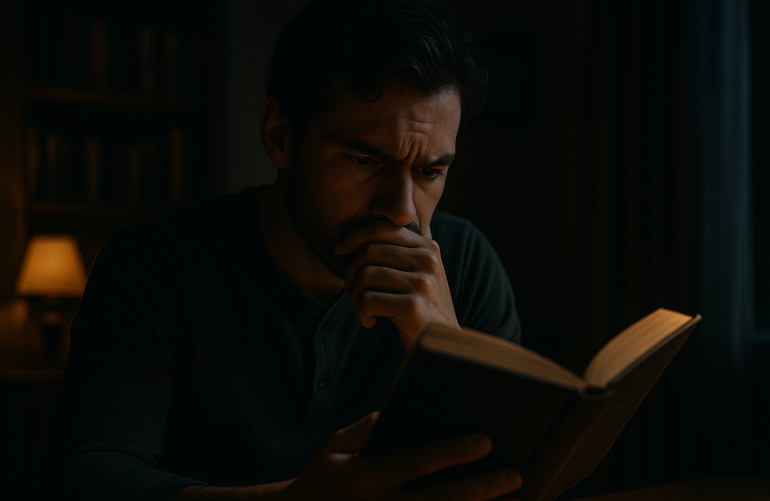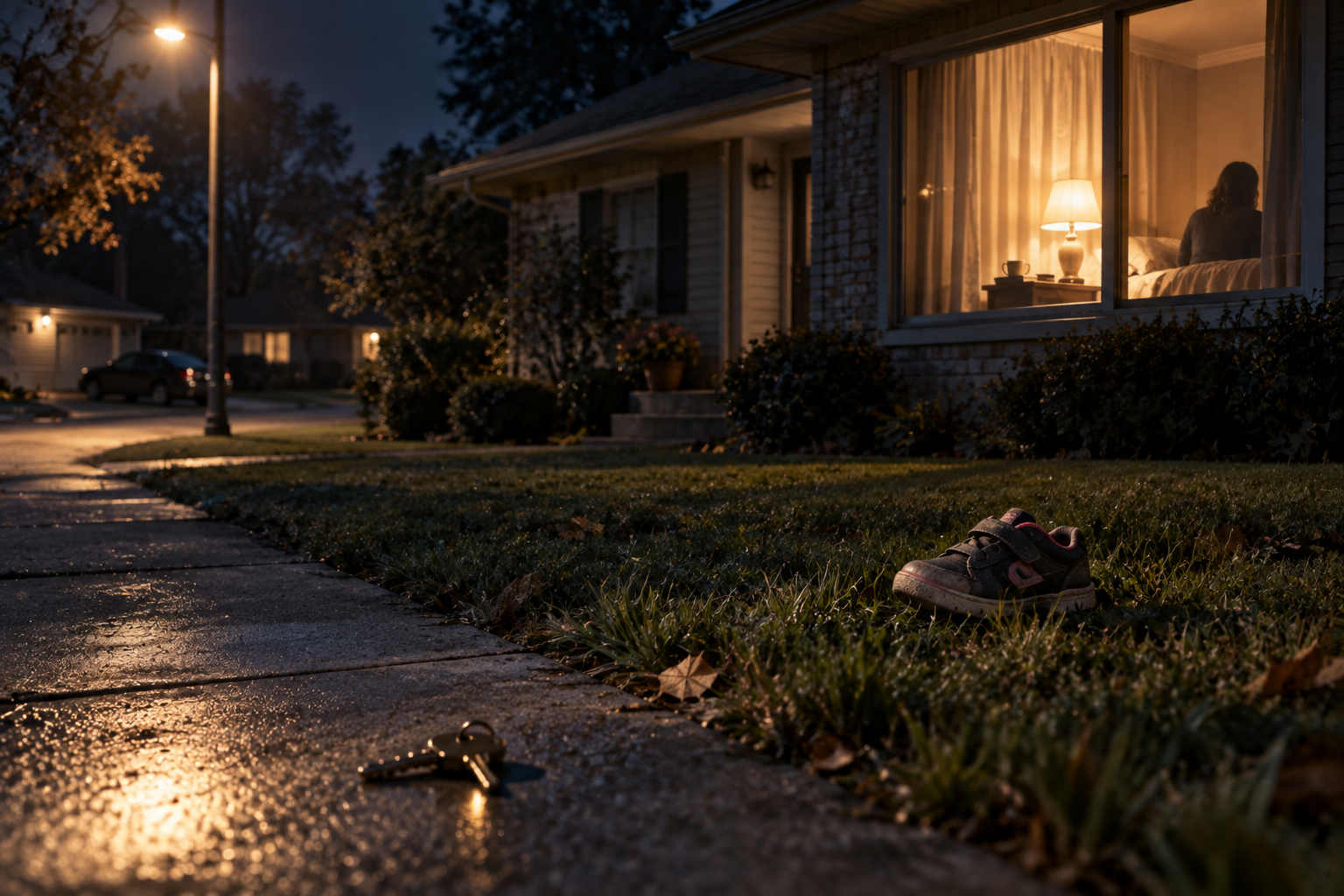
Homes are supposed to keep us safe. These five mysteries turn that expectation inside out: ordinary rooms become pressure cookers, familiar voices hide fractures, and small domestic details steer the plot. If you like thrillers that unsettle by staying close to everyday life—kitchen tables, cul-de-sacs, bedroom closets—these picks should sit comfortably on your nightstand until you finish them.
Gone Girl — Gillian Flynn
Start here if you want a novel that makes marriage itself feel like a puzzle. Flynn’s sharp, propulsive writing uses alternating perspectives to expose how appearances can be curated and weaponized. Expect twists that make you reconsider earlier scenes rather than merely shock you—perfect for readers who enjoy psychological games played out in plain suburban rooms.
The Woman in the Window — A. J. Finn
This one centers on an agoraphobic protagonist who spends most of her days watching neighbors through panes of glass. The claustrophobia is intimate: curtains, light patterns, and a trembling coffee cup become instruments of suspense. The book leans into the unreliability of observation—what you see isn’t always what happened—and makes the domestic setting feel brittle.
The Silent Patient — Alex Michaelides
Set partly within a locked, psychiatric space but threaded with ordinary domestic memories, this novel builds its tension through silence and the slow untangling of a traumatic evening. The prose is spare and muscular; readers who like a clinical, almost forensic approach to motive and revelation will find it hard to put down.
The Couple Next Door — Shari Lapena
A home-raiding of trust lives at the center of this one: a dinner party gone wrong, a missing child, and neighbors who keep inconvenient hours. Lapena writes briskly; the book moves from room to room like a camera scanning for inconsistencies. It’s a propulsive read where small domestic choices—who holds a key, who hears a noise—carry huge consequences.
Before I Go to Sleep — S. J. Watson
Memory and identity are domestic battlegrounds here. Every morning the main character wakes without recollection of the last day, relying on notes and a diary to reconstruct home, spouse, and routine. The book turns daily rituals into clues, so a toothbrush, a photograph, or a bedside conversation can feel charged with danger.
Conclusion
Each of these novels proves a simple thing: the most ordinary spaces can shelter the most urgent lies. If you like your suspense served in a familiar setting—with intimate details doing the heavy lifting—pick one and let a well-kept house become the kind of reading companion that won’t let you sleep.