Small, repeated behaviors can become the backbone of a mystery, turning everyday routine into a source of tension. When characters act in consistent, recognizable ways, those habits create expectations readers lean on and then question. By deliberately planting these patterns, writers can guide attention, seed doubt, and stage revelations that feel earned. This piece outlines practical ways to use ordinary habits as both clue and catalyst in suspense fiction.
Habit as Character Blueprint
Habits reveal who a character is without explicit exposition; they demonstrate priorities, fears, and blind spots. A morning ritual, a nervous tic, or a compulsive check can expose vulnerability or suggest hidden competence. When habits are believable and specific, they make characters three-dimensional and give readers something to observe and remember. Anchoring personality in routine also provides a baseline that makes deviations feel significant.
Use these routines to show rather than tell, and to build a network of predictable moments that you can later disrupt. Consistency breeds expectation, and expectation is what you will later manipulate to create suspense. Keep habits grounded in sensory detail so they resonate across scenes.
Planting Habits as Clues
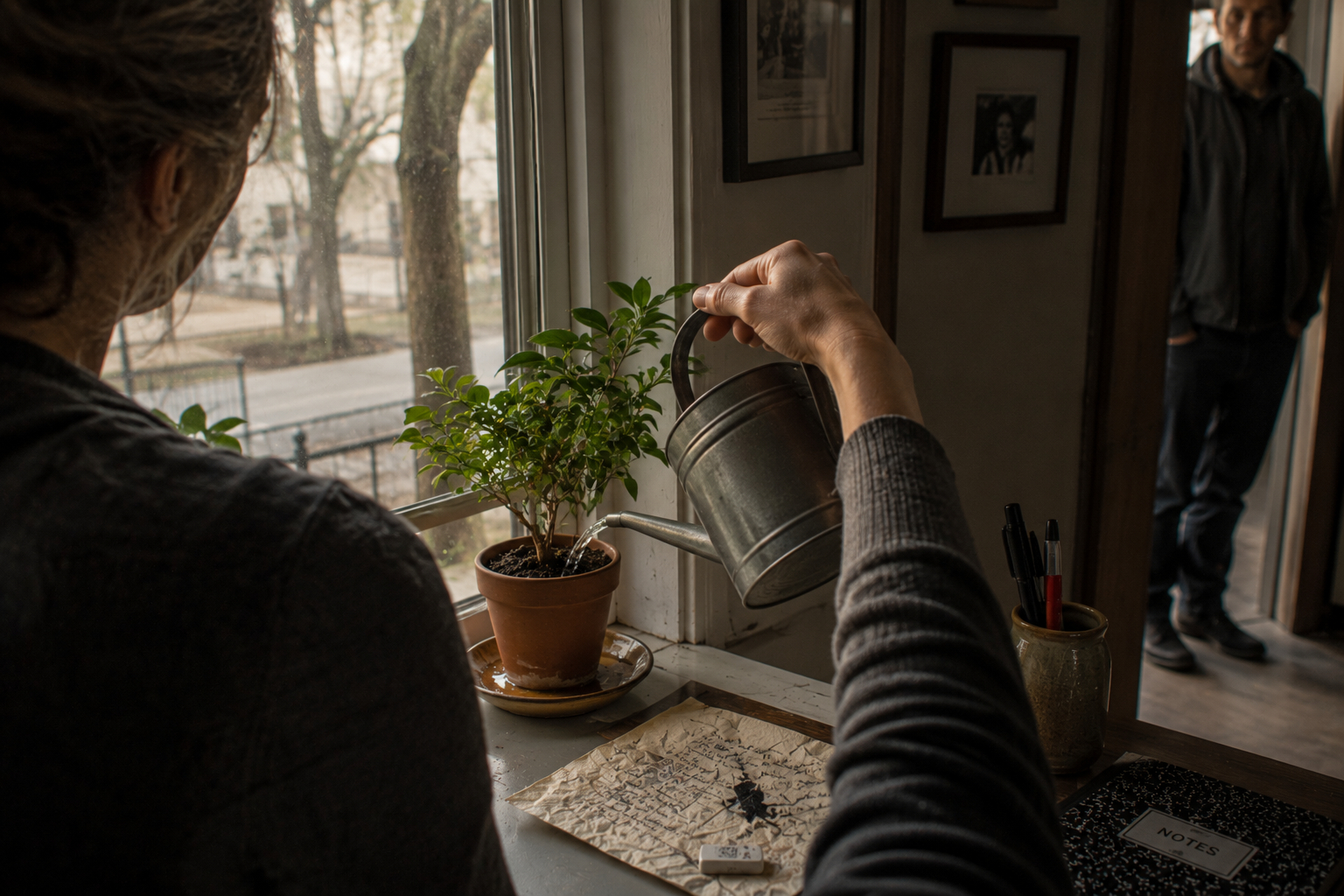
Turn small behaviors into clues that point to motive, opportunity, or deception without overtly signaling the twist. For example, a character who always waters a certain plant may have access to a particular room, or someone who habitually rewrites lists could be concealing erasures. Scatter these details sparingly and connect them to the plot through other touches: a misplaced watering can, an ink-stained napkin, a routine call missed at an odd time.
Resist heavy-handedness by varying the importance of each habit; some should mislead, others confirm. This layered approach keeps readers engaged and rewards attentive ones, while preserving surprise for those who skim.
Using Habit-Driven Tension and Revelation
When a well-established habit breaks, the effect is immediate: the reader notices, the character feels off-balance, and stakes rise. Use breaks in routine at pivotal moments to signal stress, coercion, or concealment. Conversely, replicating a habit in a misleading context can create subtle misdirection that pays off later.
- Time regularity: small timing shifts hint at interference.
- Object rituals: recurring props become evidence when displaced.
- Social routines: missed greetings or changed habits reveal relational fracture.
Compose scenes so that habit-related clues accumulate organically, and let revelations come from the patterns readers have been trained to expect. This method produces payoffs that feel both surprising and justified.
Conclusion
Ordinary habits are powerful narrative tools when used with intention. They provide a scaffold for character, clue placement, and suspense that rewards careful reading. Thoughtful application of routine and its disruptions will deepen your mystery and tighten the plot.