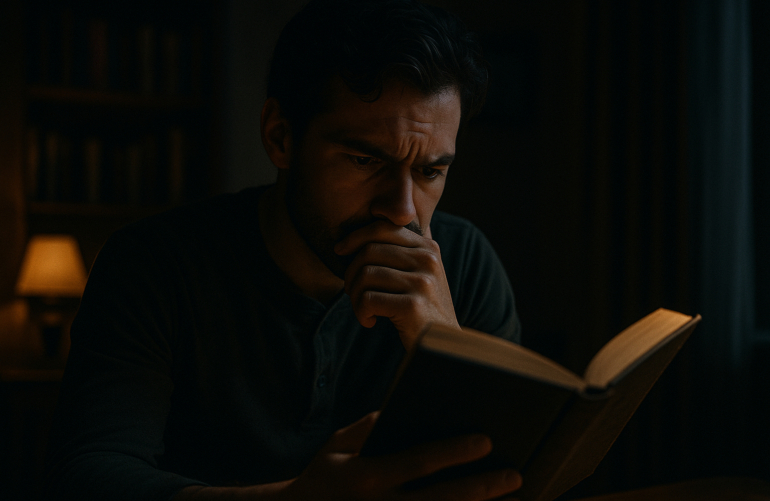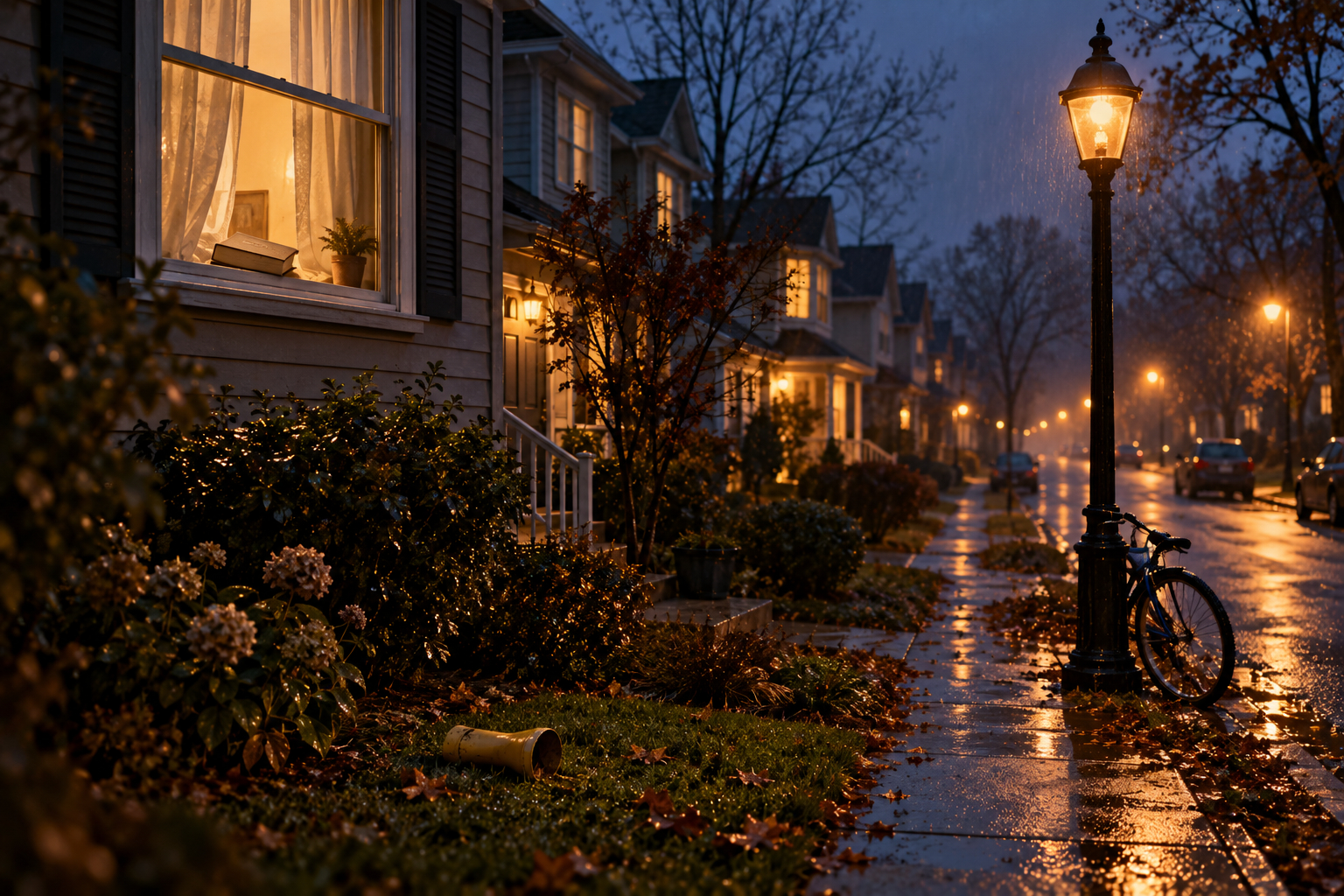
Not every thriller bangs a drum. Some creep along on a single, thin note—an overlooked sound in a hallway, a memory that refuses to fit, a neighbor who smiles too readily. These five novels favor atmosphere over spectacle: they tighten around ordinary lives until the pressure becomes impossible to ignore.
The Silent Patient — Alex Michaelides
A locked-room premise with a forensic calm. Michaelides keeps much of the action inside a few private rooms and the head of a therapist who wants answers more than the patient gives. The prose is economical; revelations arrive with the slow certainty of someone untangling a knotted thread. It’s a read that rewards attention to what isn’t said.
The Ice Twins — S. K. Tremayne
Set on a remote Scottish island, this novel catches the chill of grief and doubt. Tremayne builds an atmosphere of domestic isolation—fog, a creaking house, a family under strain—and then lets one unclear memory ripple out into suspicion. The book is less about shocks than the steady, unnerving idea that you might be wrong about the person closest to you.
The Little Stranger — Sarah Waters
Waters writes a haunted-house story without leaning on spectacle. The menace is patience itself: a decaying mansion, social shifts after the war, a physician drawn into the house’s slow decline. Gothic in tone but subtle in effect, the novel keeps the reader wondering whether the true danger is supernatural or human—and why the two feel so entangled.
The Woman in the Window — A. J. Finn
This one trades on a claustrophobic blend of agoraphobia and unreliable observation. Finn’s novel puts a protagonist behind curtains and in front of windows, watching life through glass and trying to trust senses that may betray her. Expect a tense rhythm of suspicion, misremembered moments, and domestic detail turned suspicious.
The Girl on the Train — Paula Hawkins
Hawkins uses commuter routine as a slow-building weapon. Daily train rides and repeated glimpses of the same houses become a scaffold for obsession, fragmented memory, and the sense that routine may conceal volatility. The novel’s power lies in its ability to make the everyday feel fragile and easily rearranged into something dangerous.
Conclusion
If you want a night when the ordinary keeps you awake, start with any of these. They do their work quietly: a small cold spot here, a skipped detail there, and suddenly the whole house feels different.