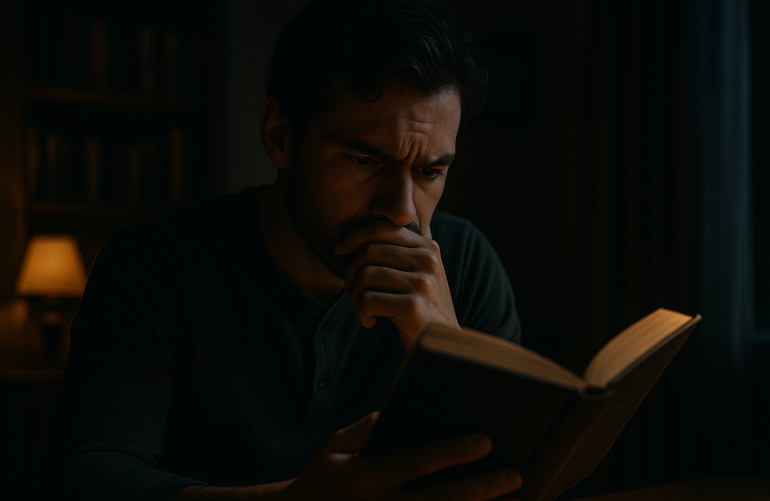
Everyday life hides a rich seam of menace for mystery and thriller writers. The ordinary details of routines, objects, and small decisions can be made ominous with careful focus. When threat is suggested rather than shouted, readers lean in and imagination supplies the dread. This piece outlines practical ways to turn familiar moments into sustained, believable danger.
Using Setting as a Silent Character
Settings do more than host action; they can mirror tension, mislead perception, or withhold information deliberately. Describe sensory details that feel mundane at first—flickering streetlamps, a particular squeak, the scent of stale coffee—and allow them to accumulate significance over time. Let the location’s routines contrast with an undercurrent of unease to make later disruptions more jarring. By treating setting as a character with its own moods, you give readers a tactile anchor for suspense.
Introduce repeated motifs tied to place so readers form expectations. Then upend those expectations at a strategic moment to amplify surprise. Subtle environmental shifts often unsettle readers more than overt shocks.
Planting Clues and Effective Misdirection
Well-planted clues reward attentive readers, but clumsy hints frustrate. Aim for clues that are discoverable yet unobtrusive—objects in plain sight, offhand remarks, character habits that later gain meaning. Pair factual hints with emotional misleads so interpretation remains uncertain until revelation. Misdirection works best when it respects internal logic and gives readers a fair path to solve the puzzle.
- Vary clue types: physical, conversational, and structural.
- Space revelations to build incremental understanding.
Balance is key: scatter enough evidence to feel intentional, but keep the true pattern hidden long enough to preserve momentum. Trust readers to make connections, then reward them with a satisfying payoff.
Decisions That Amplify Danger
Character choices drive suspense more than plot mechanics. When protagonists make plausible errors, delay, or show reluctance, stakes rise organically. Use internal conflict to complicate decisions—moral hesitation, fear of exposure, or loyalty can all lead to dangerous choices that feel earned. Readers engage when consequences flow logically from character traits rather than contrived necessity.
Escalate stakes by narrowing options and increasing cost of failure. Let small missteps cascade so tension compounds, and ensure outcomes feel inevitable in hindsight. This creates a haunting sense that danger was quietly building all along.
Conclusion
Hidden threats emerge from the ordinary when writers attend to gesture, place, and motive.
Subtlety, fair clues, and believable choices combine to sustain suspense.
Crafting these elements with care rewards readers with a slow-burn intensity that resonates.