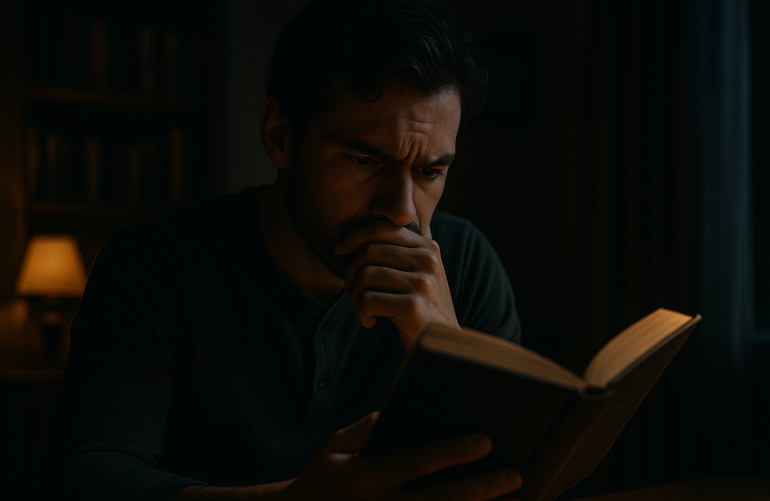
Slow-burn thrillers rely on careful accumulation rather than instant shocks, asking readers to invest attention before payoff. A deliberate narrative rhythm, layered clues, and emotionally resonant stakes cultivate sustained tension over many pages. Crafting that experience requires control of pacing, scene focus, and selective reveal. This introduction outlines practical approaches writers can apply to build quiet, escalating suspense.
Setting and Stakes
The setting in a slow-burn story is both a stage and a pressure cooker; environment details should reinforce mood without overwhelming plot. Choose locations and temporal rhythms that echo your central conflict and give readers implicit information about danger and history. Stakes should be introduced subtly and then deepened through consequences rather than explained outright. Allow the setting to suggest what is at risk, letting discovery occur through characters’ interactions with place.
Keep sensory anchors consistent so that shifts in tone feel meaningful. Small alterations in the setting can signal escalation and reward attentive readers.
Character Choices and Reveals
Characters drive suspense when their decisions create ambiguity, alliances, and misdirection. Rather than relying on overt exposition, reveal motives through incremental actions, private moments, and unreliable impressions. Use character-specific details—habits, omissions, contradicting memories—to seed doubt and curiosity. The interplay of perspective and selective knowledge keeps readers invested in uncovering truth.
Design revelations to reframe earlier scenes, not only to advance plot. Each reveal should shift how readers interpret motives and raise new questions.
Managing Pacing and Tension
Pacing in a slow-burn thriller is about rhythm: vary sentence length, scene duration, and chapter breaks to control breath and momentum. Place quieter reflective scenes adjacent to tense confrontations so that escalation feels organic rather than forced. Use time markers and repeating motifs to create a sense of inevitability and to guide reader expectations. Strategic withholding—delaying answers while increasing emotional stakes—sustains engagement.
Monitor scenes for redundant information and prune anything that breaks immersion. A taut, purposeful pace amplifies the eventual payoff.
Practical Techniques
Several craft tools help sustain slow-burn suspense: tight point-of-view control, calibrated cliffhangers at chapter ends, layered false leads, and recurring symbolic details that gain significance. Dialogue can hint at secrets without spelling them out, and small domestic scenes often reveal character layers more effectively than overt confrontations. Consider alternating perspectives sparingly to maintain mystery while revealing necessary context.
- Plant clues early and let them pay off later.
- Use contrast to heighten emotional beats.
- Keep red herrings believable and relevant.
These techniques work together to create a cohesive reading experience where tension grows steadily and rewards attention.
Conclusion
Slow-burn thrillers earn suspense through precision, restraint, and careful architecture.
Readers stay engaged when every detail matters and revelations recast earlier moments.
Applied deliberately, these strategies lead to narratives that reward patience and linger after the last page.