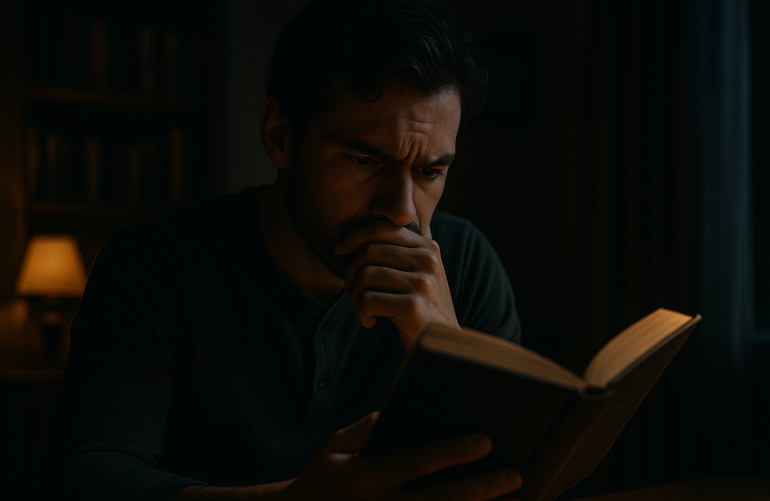
Creating sustained unease in a thriller depends less on sudden shocks and more on the atmosphere that lingers between scenes. Readers stay engaged when tension is implied through small, deliberate details rather than constant action. A story that threads uncertainty into setting, pacing, and perspective will feel inevitable while still surprising. The goal is to make the reader uneasy even in quiet moments, so every ordinary detail might hold a threat.
Setting as a Character
When the environment is treated like a character, it can reflect and amplify a protagonist’s anxieties and the plot’s undercurrents. Details such as persistent smells, skewed lighting, or recurring sounds can become motifs that unsettle without explanation. Anchoring emotional beats to physical spaces gives tension a place to live and return to across chapters. This makes setting both a mood-builder and a repository of memory that readers sense more than consciously notice.
Use recurring spatial cues to remind readers of stakes and history. These cues should evolve subtly to reward attentive readers while deepening unease.
Silence, Rhythm, and Pacing
Pacing controls emotional tempo: a rapid sequence creates adrenaline, but sustained unease relies on measured rhythm and well-placed silences. Insert pauses where questions outnumber answers, and let scenes breathe so readers anticipate the next disturbance. Alternating longer reflective passages with short, sharp moments of revelation keeps tension simmering. Keep sentence and paragraph length varied to mirror that ebb and flow.
Intentionally withheld information can be as effective as revealed facts. Use structure to manipulate expectation and prolong suspense.
Strategic Omission and Clue Placement
Thrillers win by balancing what is shown with what is left out; omissions invite readers to fill gaps, which creates personal investment and dread. Plant clues that make sense in hindsight but avoid over-signaling or contrivance. Let misdirection arise from believable choices rather than obvious tricks, and ensure each reveal changes how earlier scenes read. The most unsettling omissions are those that reframe motives without betraying the reader’s trust.
Revisit earlier chapters during revision to ensure clues accumulate logically. Small, consistent details will pay off and deepen the mystery.
Interior Stakes and Unreliable Perception
Character interiority is fertile ground for unease because perceptions can be limited, biased, or manipulated. A close point of view invites readers into subjective truth while allowing reality to remain ambiguous. Sound internal logic and sensory specificity make unreliable viewpoints compelling rather than confusing. Emotional stakes tied to memory, guilt, or fear heighten tension when clarity is withheld.
Consider how memory lapses or selective recall can signal danger. Use inner conflict to complicate the reader’s allegiance and increase suspense.
Practical Techniques and Revision
Writing sustained unease requires deliberate choices that are sharpened in revision: prune scenes that relieve tension too quickly and amplify sensory anchors that recur. Test pacing by reading aloud and tracking where curiosity wanes or peaks, then redistribute clues to maintain momentum. Keep language economical; precise verbs and concrete details sustain tension better than ornate prose. Use beta readers to identify moments that feel explanatory instead of ambiguous.
- Trim expository passages that deflate suspense.
- Mark recurring motifs and tighten their evolution.
- Adjust POV to control what the reader knows and when.
Revision is where the promise of unease becomes a craft. Iteration transforms scattered hints into a coherent thread that quietly unravels the reader’s certainty.
Conclusion
Sustained unease in a thriller comes from consistent, intentional design across setting, pace, and perspective. Small, repeatable details and disciplined omission let tension live in the margins rather than only in climaxes. With careful revision, those margins become the most unsettling part of the story.