Introduction
Short fiction thrives on compression; a single image or offhand line can tilt an entire story toward dread or curiosity. In mysteries and thrillers, writers rely on small, concrete details to suggest larger, unseen forces at work. This introduction outlines practical strategies for using detail, misdirection, and pacing to heighten tension without over-explaining. The goal is to help writers make every word pull readers deeper into suspicion and wonder.
Anchoring the Scene
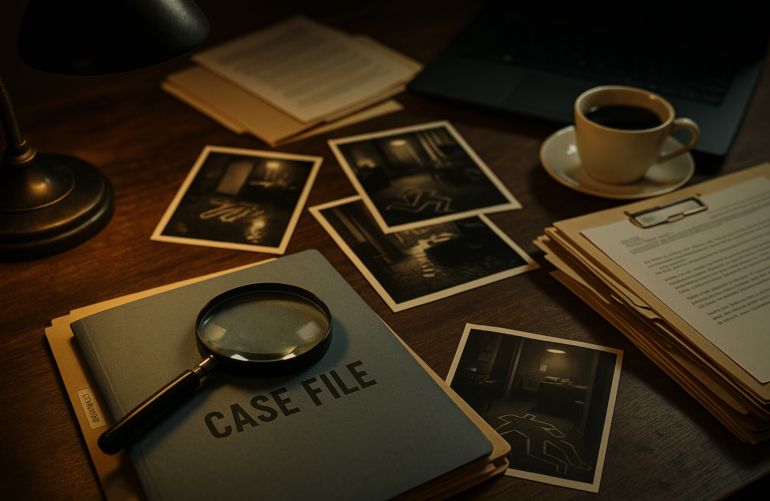
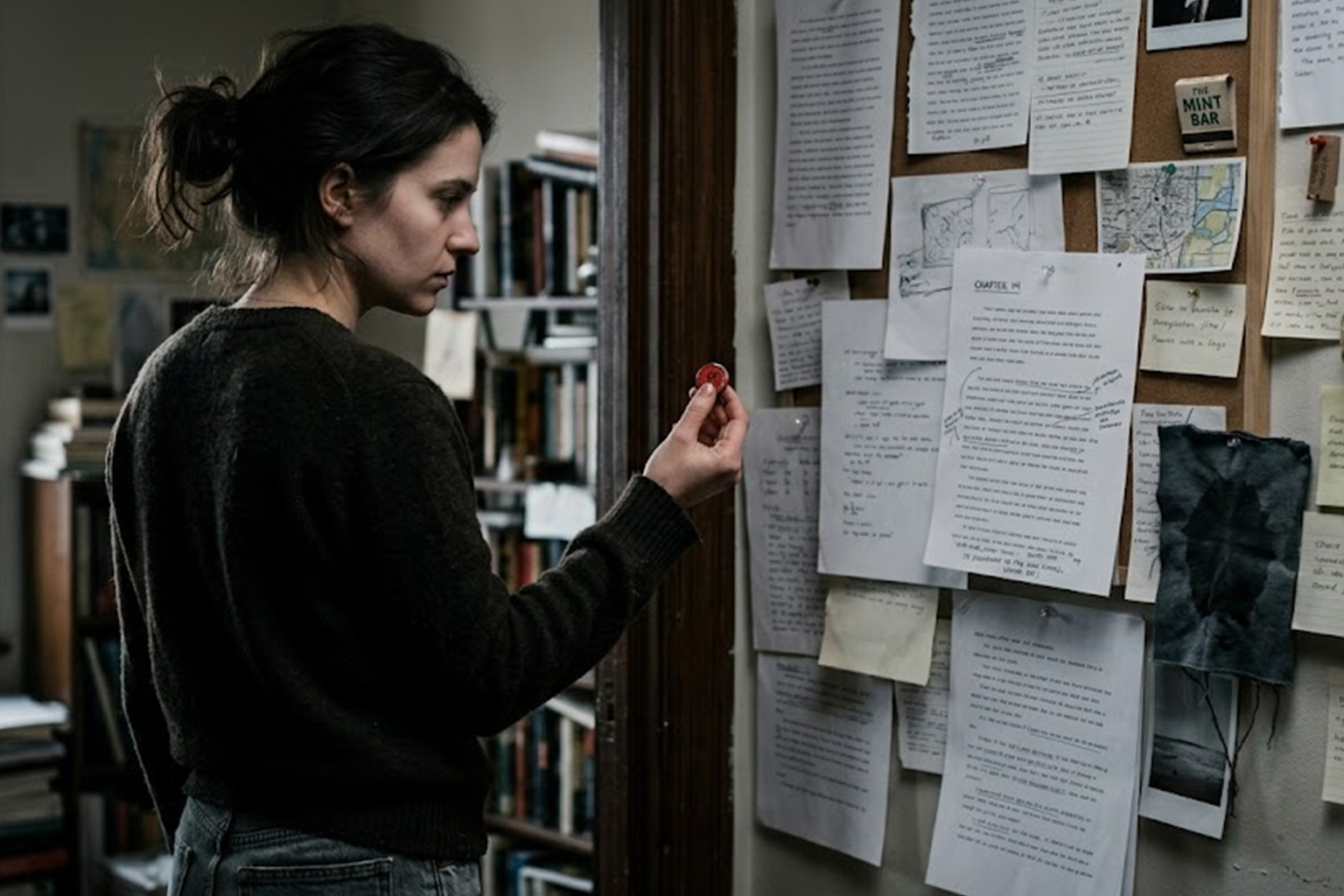
Begin by anchoring scenes with sensory specifics that feel incidental but reveal character or motive. A soaked coat, a missing button, or a particular cologne can act as narrative anchors that later pay off. Choose details that are observable and verifiable within the world of the story so readers accept them as facts rather than authorial hints. When those anchors are revisited, they deepen the reader’s sense that patterns are emerging.
Make these mentions natural and unobtrusive. The reader should store them without feeling led by the narrator’s hand.
Signal and Misdirection
Signal important clues subtly, then use misdirection to complicate expectations. Place red herrings that are plausible given what characters know, and balance them against true clues that may seem trivial at first. Vary the prominence of details so some feel like background ambiance while others quietly accumulate meaning. This layering keeps readers engaged and guessing without frustrating them.
- Mention a detail once, then again in a changed context.
- Let characters misinterpret clues to create dramatic irony.
- Use objects with dual uses to suggest multiple interpretations.
These strategies encourage rereading and reward attentive readers. They also allow surprises to feel earned rather than arbitrary.
Pacing and Sentence Rhythm
Pacing controls how quickly details register and how tension accumulates. Short, staccato sentences can spotlight discrete images, while longer sentences braid them together into uneasy revelations. Alternate sentence lengths within a scene to mirror a character’s shifting focus or rising panic. Carefully placed pauses — such as a paragraph break after a revealing detail — give readers time to anticipate consequences.
Mindful rhythm makes suspense feel tactile. It also preserves clarity so readers follow the trail of clues.
Point of View as a Filter
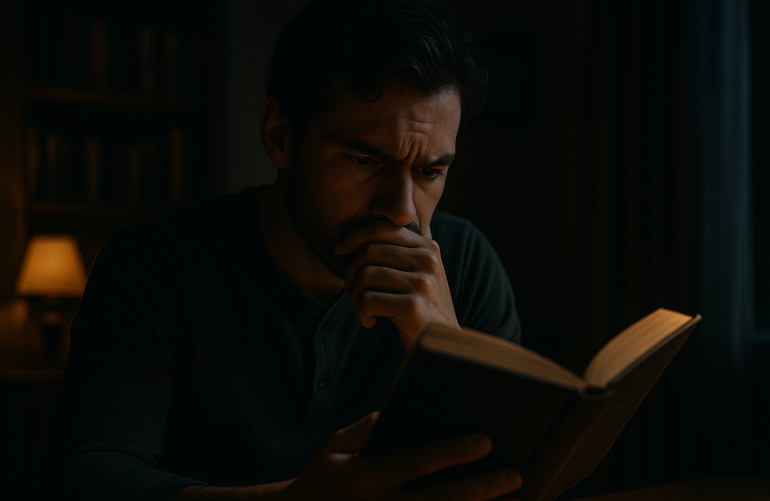
Choose a point of view that limits knowledge in useful ways. A close third or first person perspective lets you reveal sensory details while withholding broader context, so small signs feel more ominous. Unreliable perceptions — fatigue, bias, or fear — can make ordinary clues ambiguous and increase tension. Be consistent about what the POV knows so readers notice when a character’s understanding shifts.
Use the filter to justify why characters miss or misread clues. This keeps surprises plausible and maintains narrative trust.
Conclusion
Small, deliberate details are the scaffolding of strong mystery and thriller writing. When anchored, signaled, and paced well, they transform ordinary moments into mounting tension. Practice selecting and timing facts so every sentence advances suspicion or discovery.