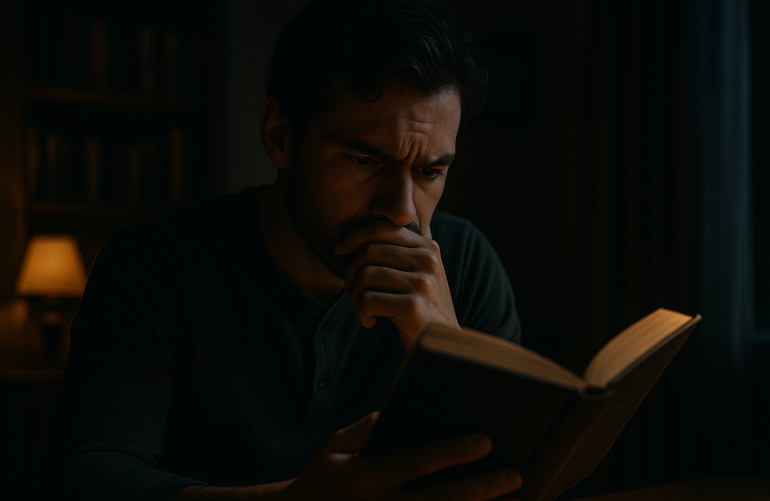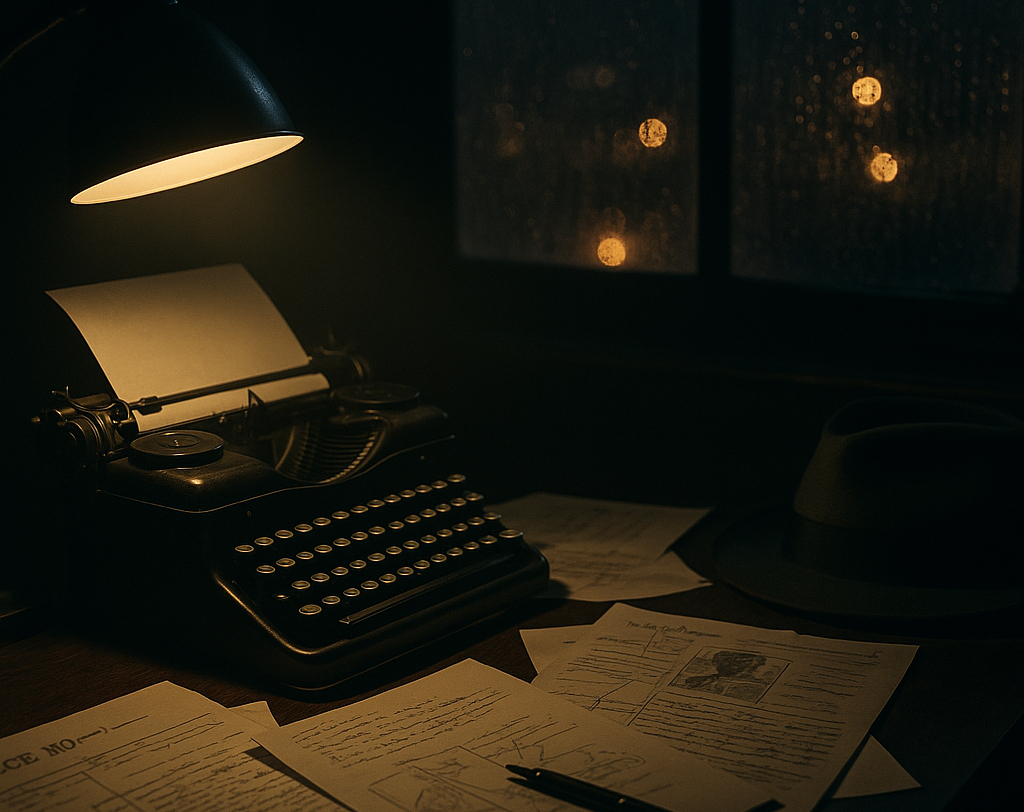
Noir has left an unmistakable mark on the mystery genre, shaping how stories are told, how characters are crafted, and how atmosphere drives suspense. With its moody tone, moral ambiguity, and gritty realism, noir continues to inspire modern writers who want their mysteries to feel layered, complex, and psychologically rich. The genre’s legacy lives on not just in detective fiction, but in thrillers, crime dramas, and even contemporary literary works.
A Legacy of Grit and Atmosphere
Classic noir stories brought shadows, rain-soaked alleys, smoky rooms, and cynical protagonists into the spotlight. Today’s mystery authors use these atmospheric elements to create tension and immerse readers in unsettling worlds. Even when set in modern environments, noir’s visual and emotional tone helps shape narratives that feel darker and more intimate.
Complex Characters and Moral Gray Areas
Gone are the days of perfect heroes. Noir introduced flawed, conflicted characters who struggle between right and wrong — a theme that modern mystery writers embrace wholeheartedly. Today’s detectives, journalists, and amateur sleuths often wrestle with personal demons, questionable choices, and complicated motives. These morally ambiguous characters bring depth and relatability to the genre.
Narrative Styles That Echo the Past
Snappy dialogue, inner monologues, and tightly paced plots are trademarks of noir. Contemporary mystery writers still borrow these techniques to build momentum and reveal hidden truths. The introspective voice of noir helps modern authors explore character psychology while keeping the narrative sharp and immersive.
Conclusion
Noir’s influence on modern mystery writing is undeniable. Its atmosphere, character complexity, and storytelling style continue to shape today’s most compelling mysteries. By blending classic noir elements with fresh, contemporary perspectives, modern writers create stories that honor the genre’s roots while pushing it into new and exciting territory.