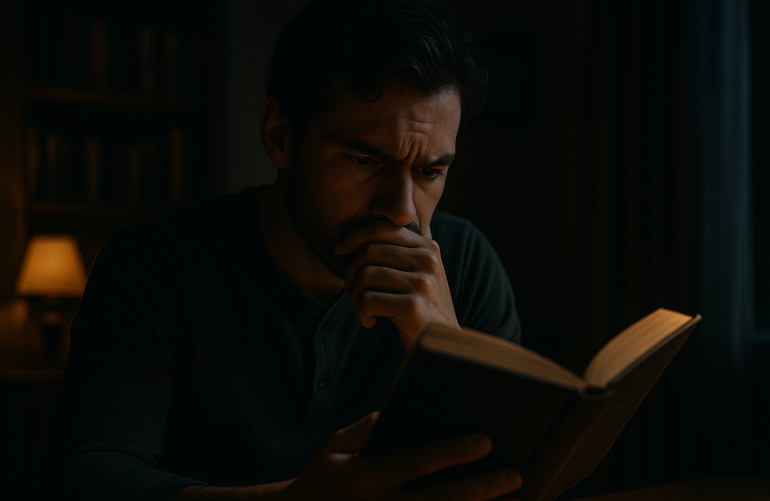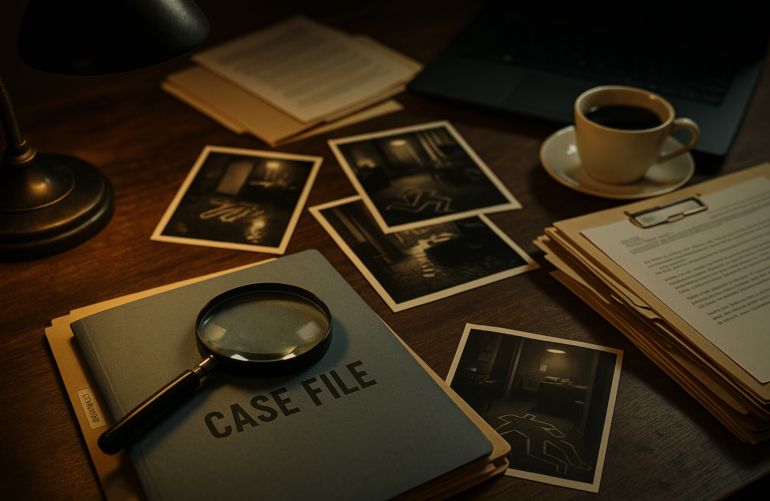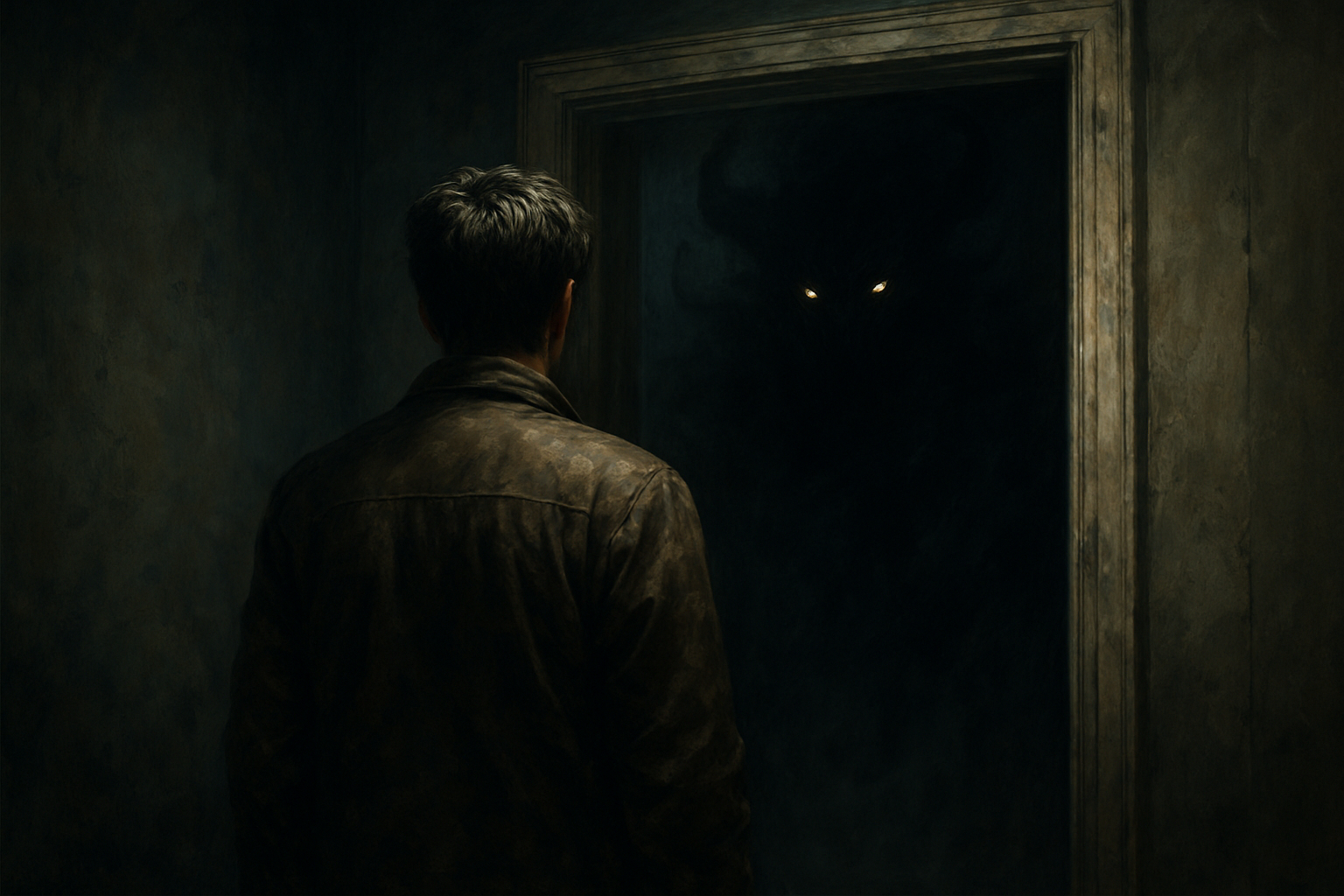
Stories have always relied on conflict to keep audiences engaged, but some of the most memorable narratives don’t show their antagonist directly. Instead, they create tension through an unseen force—an enemy we never fully witness. This storytelling technique taps into the imagination, heightens suspense, and challenges readers or viewers to confront their deepest fears. The “unseen” antagonist becomes powerful not because of what it does on screen or on the page, but because of what the audience imagines it could do.
Why Unseen Threats Feel More Intense
When an antagonist remains hidden, the audience is drawn into a state of anticipation. We feel constantly alert, waiting for something to happen. Without a clear visual, our minds create the threat based on our own fears, making it more personal and often more frightening. This is why stories with invisible dangers—whether a monster, a disease, a force of nature, or an unknown enemy—can feel more intense than those with visible villains. The mystery keeps the tension alive.
Building Atmosphere Through Imagination
Writers use unseen antagonists to build atmosphere. Every shadow, sound, or quiet moment becomes charged with meaning. Instead of relying on elaborate scenes or dramatic confrontations, the story leans on subtle cues that make the audience participate in creating fear or suspense. This technique is especially effective in horror, thrillers, and psychological dramas, where the mind becomes the battleground.
But unseen antagonists aren’t limited to scary stories. They can also appear in tales where the conflict is internal or symbolic. A looming threat, an approaching disaster, or even societal pressure can function as an antagonist without taking physical form.
Unseen Villains as Symbols
Sometimes the unseen antagonist represents something much larger than a single character. It might symbolize a cultural issue, a personal struggle, or the unpredictability of life. By keeping the antagonist hidden, writers allow the theme to take center stage. This transforms the conflict from a simple fight against an enemy into a deeper exploration of fear, resilience, or human behavior.
In many classic and modern works, the unseen force becomes the key to emotional impact. Instead of focusing on what the antagonist looks like, the audience focuses on how it affects the characters, pushing them to grow, adapt, or confront their weaknesses.
Conclusion
The unseen antagonist is one of storytelling’s most powerful tools. By tapping into imagination, emotion, and suspense, it creates an experience that stays with the audience long after the story ends. Without ever revealing its full form, it shapes the narrative and challenges characters in unforgettable ways. In a world where so much is visualized and explained, the unseen antagonist reminds us that sometimes the most powerful threats are the ones we never fully see.