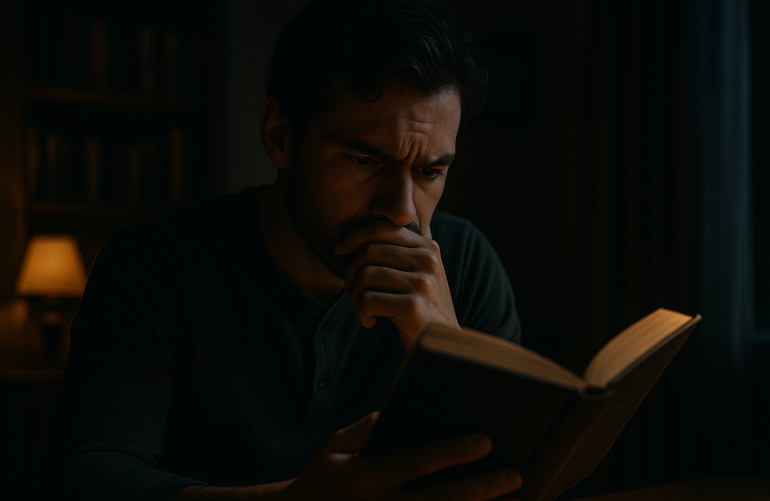
Modern thrillers go far beyond car chases and gunfights — they dive deep into the human mind. Today’s most gripping stories explore fear, guilt, obsession, and morality, making psychology the silent engine that drives suspense. Understanding how characters think and react turns a good thriller into an unforgettable one, keeping readers hooked until the last page.
The Mind as the True Battleground
In psychological thrillers, the greatest tension doesn’t come from external danger but from internal conflict. Characters face not just villains but their own minds — trauma, paranoia, or moral dilemmas. This introspection creates realism, allowing audiences to experience the same unease and uncertainty as the characters themselves. The result is a slow burn of suspense built on emotional depth rather than spectacle.
Building Characters Through Psychological Depth
Modern writers use psychology to craft layered, unpredictable characters. Protagonists are often flawed yet relatable, while antagonists blur the line between evil and empathy. By exploring motives rooted in mental states — insecurity, obsession, or trauma — storytellers reveal how far people can go when pushed to their limits. These psychological complexities make characters feel human and their decisions terrifyingly plausible.
The Power of Unreliable Narratives
One of the most powerful tools in modern thrillers is the unreliable narrator. When readers can’t fully trust the perspective they’re given, tension multiplies. This psychological manipulation mirrors real-life experiences of doubt and fear, forcing readers to question what’s real. It’s a technique that keeps audiences intellectually and emotionally engaged — the mind becomes both the puzzle and the prize.
Psychology Meets Atmosphere
Beyond character design, psychology shapes how suspense feels. Strategic pacing, sensory details, and foreshadowing tap into primal fears — darkness, isolation, betrayal. The audience’s heartbeat quickens not because of explosions, but because the story’s atmosphere triggers emotional and instinctive responses.
Conclusion
The best thrillers understand that the most terrifying weapon isn’t a knife or gun — it’s the human mind. By blending psychology with storytelling, modern thrillers explore the complexities of fear and morality, making readers confront their own emotions. In this way, psychology doesn’t just support the genre — it defines it.