Introduction
The most compelling mysteries often grow from small, repeated details that coalesce into a pattern.
A careful reader or investigator notices cadence, omissions, and the spaces between events.
This article explores how those quiet recurrences create narrative momentum and deepen suspense.
Understanding pattern helps both writers and readers parse intention and motive.
Observing Patterns
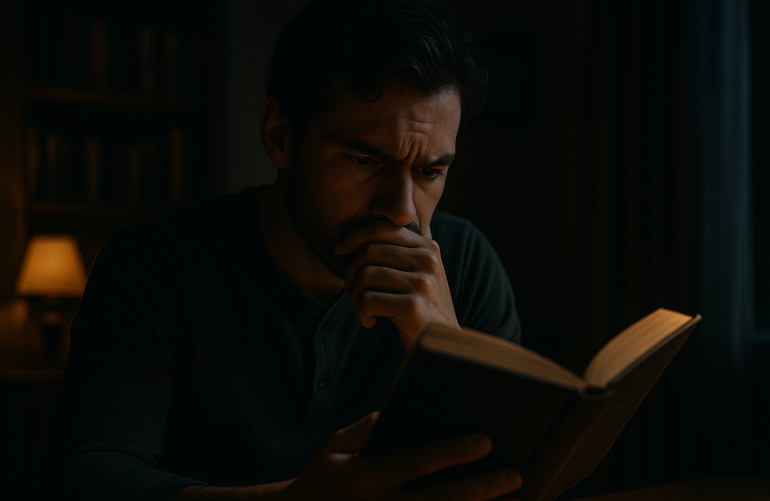
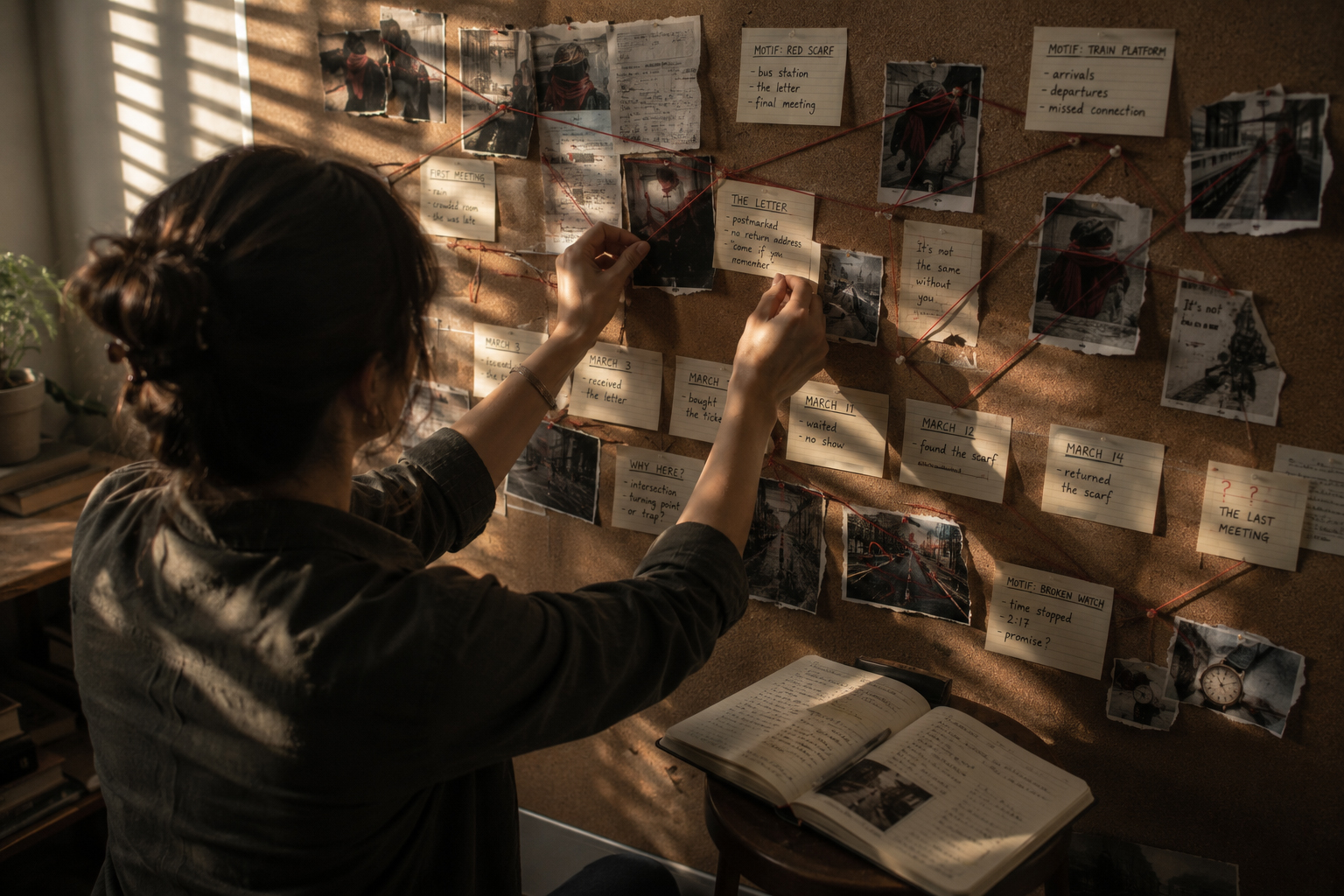
Patterns begin as incidental echoes: a particular phrase, a recurring object, or a familiar route taken by a character. When these elements recur, they invite scrutiny and suggest an underlying logic rather than randomness. In thrillers, repetition can create dread as the reader recognizes an inevitability building toward a reveal. Observing means cataloguing details without rushing to judgment, letting connections emerge organically.
To observe effectively, slow the pace and reread key passages. Notes and timeline sketches can transform scattered moments into a coherent map of cause and effect.
Interpreting Small Details
Small details often carry disproportionate weight in mystery narratives, serving as anchors for theory and speculation. A misplaced object, a repeated gesture, or an offhand remark can reframe a scene when viewed in context. Interpretation requires balancing imagination with evidence: propose explanations, then test them against the text. Good interpretation resists the urge for neat answers and remains open to revision as new details surface.
Keep hypotheses flexible and prioritize those that explain multiple anomalies. This method reduces coincidence and increases the likelihood of a satisfying resolution.
The Role of Setting and Silence
Setting and silence shape how patterns are perceived; an empty room or an unspoken conversation can echo like a motif across chapters. Environments offer consistency, while silence highlights what is absent, prompting readers to read between the lines. Strategic pacing lets these elements breathe, allowing tension to accumulate without explicit exposition. Skilled authors use setting and silence to nudge attention toward the true pattern without forcing it.
Consider how light, weather, or architecture repeat across scenes to reinforce a theme. Silence can be as communicative as dialogue when used deliberately.
Conclusion
Patterns transform isolated incidents into a comprehensible thread that guides interpretation.
Recognizing and testing these repetitions deepens engagement and sharpens suspense.
Attentive readers and writers both benefit from learning to see the quiet logic beneath the surface.