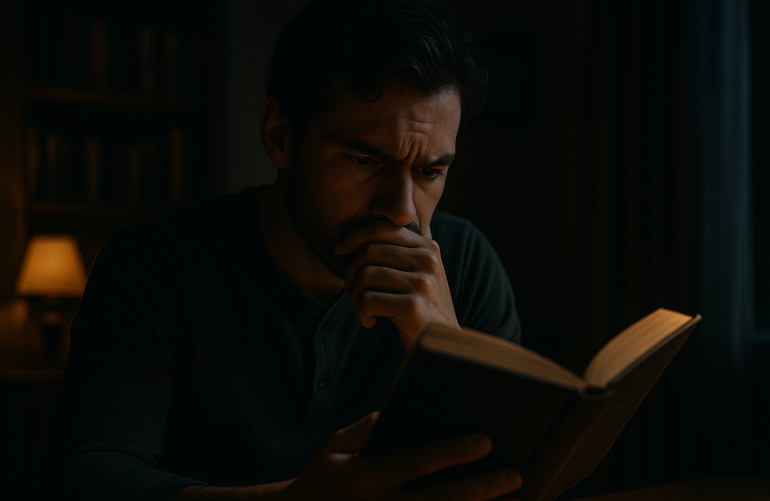
Crime fiction has captivated readers for generations, drawing them into worlds of mystery, danger, and psychological intrigue. Whether it’s a hard-boiled detective chasing a killer through foggy streets or a suburban thriller unraveling hidden secrets, this genre thrives on tension and curiosity. What makes readers keep turning the pages isn’t just the crime itself — it’s the artful way writers build suspense, layer clues, and explore the darker corners of human nature.
The Allure of Mystery and Suspense
At its core, crime fiction is about the thrill of the unknown. Readers are invited to play detective, piecing together clues and motives alongside the protagonist. The best stories balance uncertainty with satisfaction — keeping readers guessing but delivering logical, surprising payoffs. This emotional rollercoaster of curiosity and revelation taps into our natural desire to make sense of chaos and uncover truth.
Complex Characters and Moral Gray Areas
Unlike traditional heroes and villains, modern crime fiction thrives on moral complexity. Detectives are often flawed, driven by obsession or haunted by guilt, while criminals can be disturbingly relatable. This blurred line between good and evil mirrors real life, making the genre more compelling. Characters like Sherlock Holmes, Hercule Poirot, and Lisbeth Salander endure because they reveal both brilliance and vulnerability — a balance that keeps readers emotionally invested.
The Puzzle of Plot and Structure
A well-crafted crime novel is a literary puzzle — every scene, clue, and twist matters. Writers master the rhythm of tension and release, guiding readers through red herrings and revelations. The most satisfying mysteries reward attention to detail, where even the smallest hint can alter the outcome. This intellectual engagement turns reading into an interactive experience, inviting audiences to solve the case before the final reveal.
Setting the Stage: Atmosphere and Tone
The world of crime fiction thrives on atmosphere. From rain-soaked city streets to quiet country manors, setting becomes a character of its own. The mood shapes the reader’s emotional journey — noir stories drip with cynicism and grit, while psychological thrillers use ordinary settings to evoke unease. Whether it’s a chilling urban mystery or a small-town whodunit, the environment enhances the suspense and realism.
The Evolution of Crime Fiction
Today’s crime fiction continues to evolve, blending with genres like psychology, politics, and technology. Authors explore cybercrime, forensics, and the ethical dilemmas of modern justice. Yet, at its heart, the genre remains the same: it’s about uncovering truth, understanding motive, and restoring order — however imperfectly. The timeless formula of mystery, humanity, and justice ensures crime fiction will always have loyal readers.
Conclusion
What keeps readers hooked on crime fiction isn’t just the thrill of solving a mystery — it’s the emotional and intellectual journey that comes with it. The best stories challenge us to confront fear, morality, and curiosity all at once. Crime fiction endures because, beneath every twist and turn, it reflects our deepest fascination with truth, deception, and the human heart.