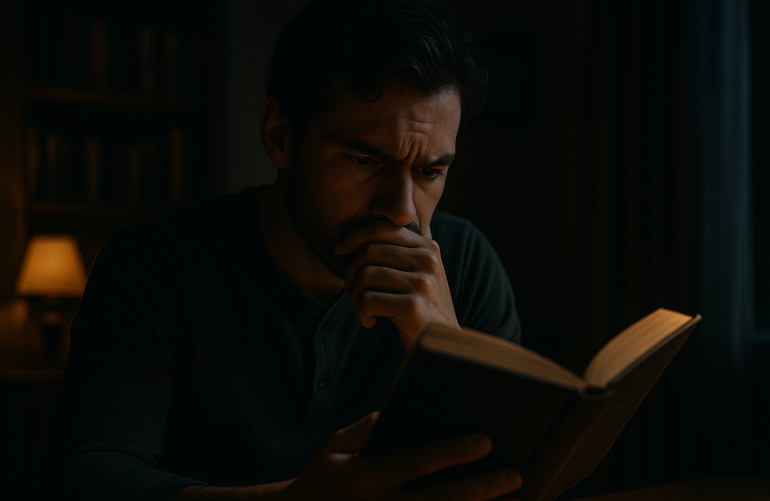
Suspense often grows from what is suggested rather than directly shown.
A small detail, a pause in dialogue, or a recurring sound can steadily widen a reader’s unease.
When managed with intention, these quiet threads knit together into something urgent and inevitable.
This article lays out practical techniques to shape slow-burn tension in mystery and thriller stories.
Writers will find strategies for setting, character choices, clues, and pacing that maintain intrigue.
Setting and Small Details
A setting anchors the reader by establishing rhythm, texture and plausible constraints on action.
Select a few concrete sensory cues — a flickering lamp, a particular scent, an out-of-place object — and make them recurring.
Each recurrence should shift in context or emphasis so that familiarity becomes unsettling rather than soothing.
Subtle changes to light, weather, or noise levels can signal escalating stakes without explicit explanation.
Use architecture and mundane routines to suggest histories and relationships that the plot will later test.
Concrete, repeatable details create a believable world where surprises feel earned.
Avoid over-description; choose specificity over volume so each chosen element carries weight.
Let the environment quietly comment on character and theme rather than spelling everything out.
Character Choices and Perspective
Characters generate suspense through selective revelation and meaningful choices under pressure.
Decisions that read as reasonable in context can complicate moral lines and raise tension on a human level.
Limiting perspective — by time, knowledge, or voice — forces readers to infer and keeps them engaged.
An unreliable narrator need not be flamboyant; small inconsistencies in memory, mood, or motive are often more effective.
Use action beats to reveal interiority: a paused hand, a lie omitted, a hesitated step can tell more than paragraphs of backstory.
Make choices consequential so that every decision changes the stakes.
Let characters’ flaws open doors to complications that feel inevitable in hindsight.
That sense of consequence intensifies suspense and rewards attentive readers.
Clues, Misdirection, and Pacing
Clues should serve both plot mechanics and emotional payoff, tying revelations to character investments.
Plant information early and vary its presentation: visual detail, offhand dialogue, or a mismatched reaction.
Misdirection must be honest — it reroutes attention rather than fabricating solutions — so the eventual reveal is satisfying.
Pacing controls how tension accumulates: alternate concentrated discovery scenes with quieter moments that allow dread to thicken.
Trim scenes that only inform; prefer scenes that change relationships or understanding, keeping momentum while deepening mystery.
Use chapter breaks and viewpoint shifts as tools to reset expectations and raise new questions.
Short scenes or sentences can accelerate heartbeat moments; longer passages let suspense simmer.
Balance keeps readers moving while giving them space to theorize and care.
Conclusion
Quiet suspense rewards patience, restraint, and careful structure.
Focus on repeatable sensory cues, consequential choices, and fair misdirection to make revelations land.
Together these choices let tension build naturally and keep readers invested until the final turn.