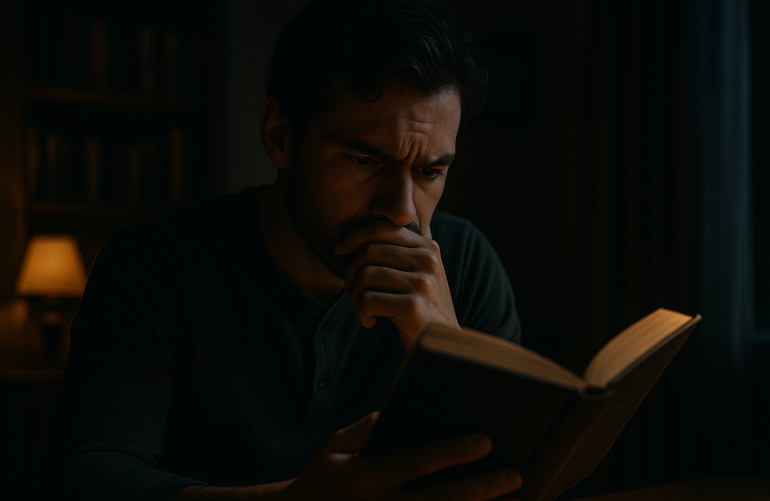
The best mysteries do not always begin with a scream; sometimes they start with a detail so small it is easy to overlook. A single misplaced object, a ledger with a missing entry, or a light left on at two in the morning can be the hinge that opens a locked story. In quiet investigations, those tiny anomalies accumulate until they form a pattern that cannot be ignored. This piece explores how small clues shape motive, method, and meaning in restrained thrillers.
A Missing Receipt
A missing receipt can be more revealing than an eyewitness account in the hands of a careful reader. When the paper trail frays, it often points to decisions made in haste, panic, or careful planning, and each omission asks a question. In many cases the absence is deliberate: someone erased a purchase, a meeting, or a habit to protect a secret. Attention to what should have been recorded becomes a compass toward truth.
Examining omissions requires patience and an eye for context. Readers and investigators alike learn to read between the lines to reconstruct the scene.
Patterns in Quiet Places
Patterns rarely shout; they whisper. A tenant who always takes the same bus, a plant that wilts whenever a certain neighbor appears, or a time-stamped sequence of brief phone calls can all be subtle threads. When these threads are pulled together, they reveal routines that can be exploited or disrupted. Atmospheric details serve double duty in mystery fiction: they build mood while encoding clues that reward close attention.
Authors who use patterning well make each repeated element count. The accumulation of small, consistent details creates a cumulative effect that feels inevitable when the revelation arrives.
The Investigator’s Quiet Method
Investigators in restrained thrillers often rely on listening rather than shouting, on observation instead of spectacle. Their tools are notebooks, calendars, and the willingness to sit and watch for anomalies over time. This method suits mysteries that prioritize psychological tension and moral ambiguity over immediate action. By valuing slow discovery, the narrative invites readers to participate in solving the puzzle.
Empathy and discipline become investigative strengths in this approach. The quieter the method, the sharper the eventual insight can be.
Conclusion
Small clues are the currency of subtle suspense and they accumulate into persuasive evidence. A missing item or a repeated gesture can reshape a reader’s understanding of motive and opportunity. In mystery and thriller writing, attention to the unnoticed yields the most satisfying revelations.