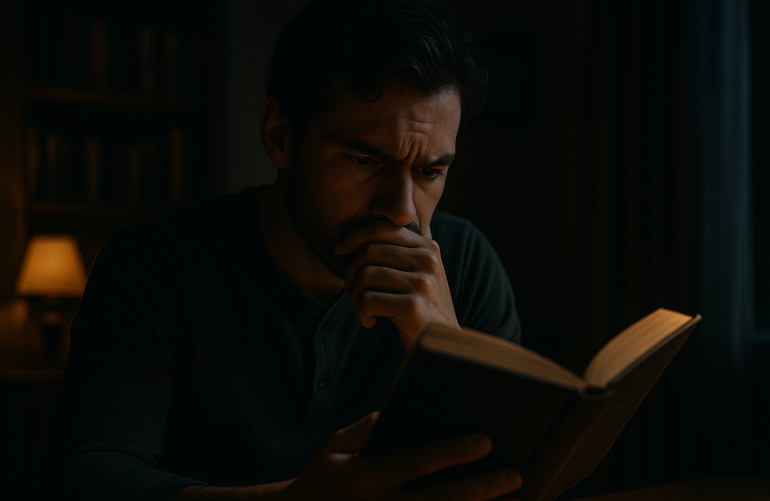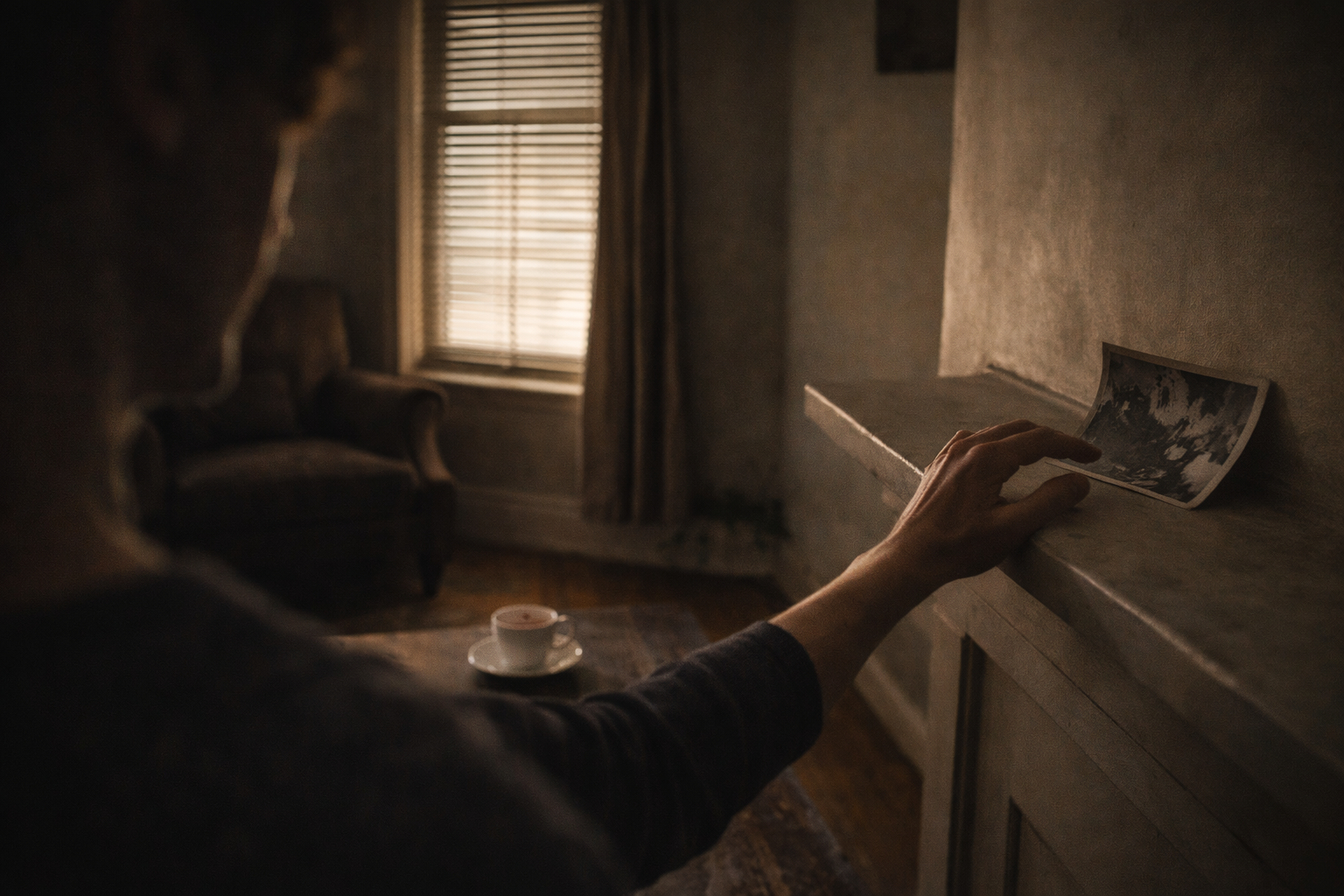
A room can be as expressive as a character in a thriller.
Carefully chosen details in domestic spaces quietly suggest past events and pending danger through sound, dust, and the shape of furniture.
When writers allow a setting to speak, suspense builds without overt exposition.
This piece explains practical ways to make ordinary places resonate with unease for readers.
Setting as a Silent Character
Treat setting as a silent actor that reacts to your characters rather than a neutral backdrop.
Describe what lingers—a faint stain near a baseboard, a curtain that never moves—to imply unseen action.
Use sensory anchors such as smell, temperature, or absent light to create a persistent mood.
Small, specific details allow readers to infer a larger, darker context without explicit narration.
Think about how lighting shifts over time and what that implies about occupancy and secrecy.
Anchor scenes in tactile, repeatable elements so the setting accumulates meaning over time.
As settings recur, their associations deepen and readers sense threat even before it is revealed.
Readers reward consistency; repeated sensory cues become narrative currency.
Objects That Suggest, Never Explain
Objects perform narrative work when they are ambiguous: a misplaced key, a bent photograph edge, a cup with lipstick.
Avoid explaining why an object matters; instead, let characters notice and react in ways that raise questions.
Sparingly reveal function or origin so curiosity becomes a propulsion force for the plot.
Routine items gain menace when context shifts, and readers begin rereading earlier descriptions looking for clues.
Place those objects in routines so their disruption feels meaningful rather than arbitrary.
- Give objects a memory: link them to conversations or glances.
- Vary scale: a small object in a large room feels exposed; a large object in a small space feels oppressive.
- Let objects mislead: plausible red herrings should feel natural, not forced.
Use objects to seed questions, not answers, and avoid overloading any single scene with too many artifacts.
When readers carry unanswered object-story threads, momentum and tension increase between reveals.
Restraint is often more suspenseful than explanation.
Pace and Revelation Through Space
Spatial dynamics influence pacing: tight, confined settings accelerate intensity while expansive spaces allow slow dread.
Short sentences and quick scene changes suit cramped interiors; long, descriptive beats fit broad exteriors.
Control entry and exit points so movement through space has stakes and consequences.
Timing reveals to coincide with shifts in location keeps the reader physically oriented and emotionally invested.
Consider sightlines and what a character can or cannot see to craft effective misdirection.
Map the physical logistics of scenes so the suspense feels credible rather than contrived.
Spatial clarity enhances shock moments because readers have firm expectations to be subverted.
Test scenes by pacing a reader walkthrough to ensure built tension lands.
Conclusion
Settings can do heavy narrative lifting when described with purpose.
By choosing details, objects, and spatial rhythm deliberately, writers steer reader unease.
Let rooms speak; the story will follow.