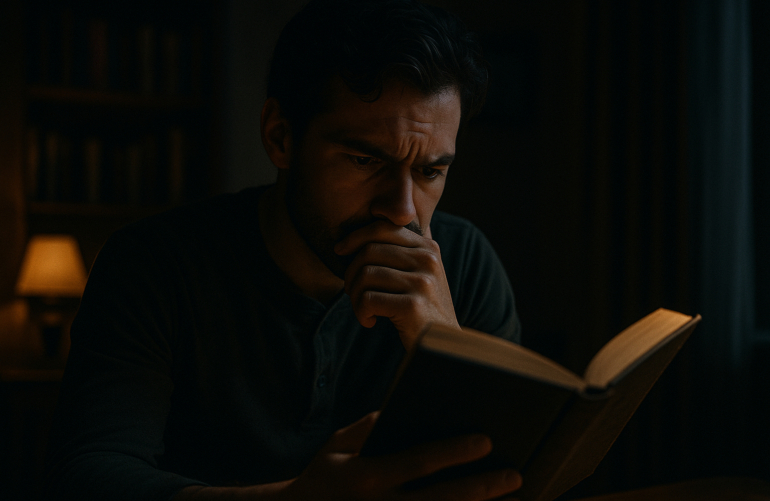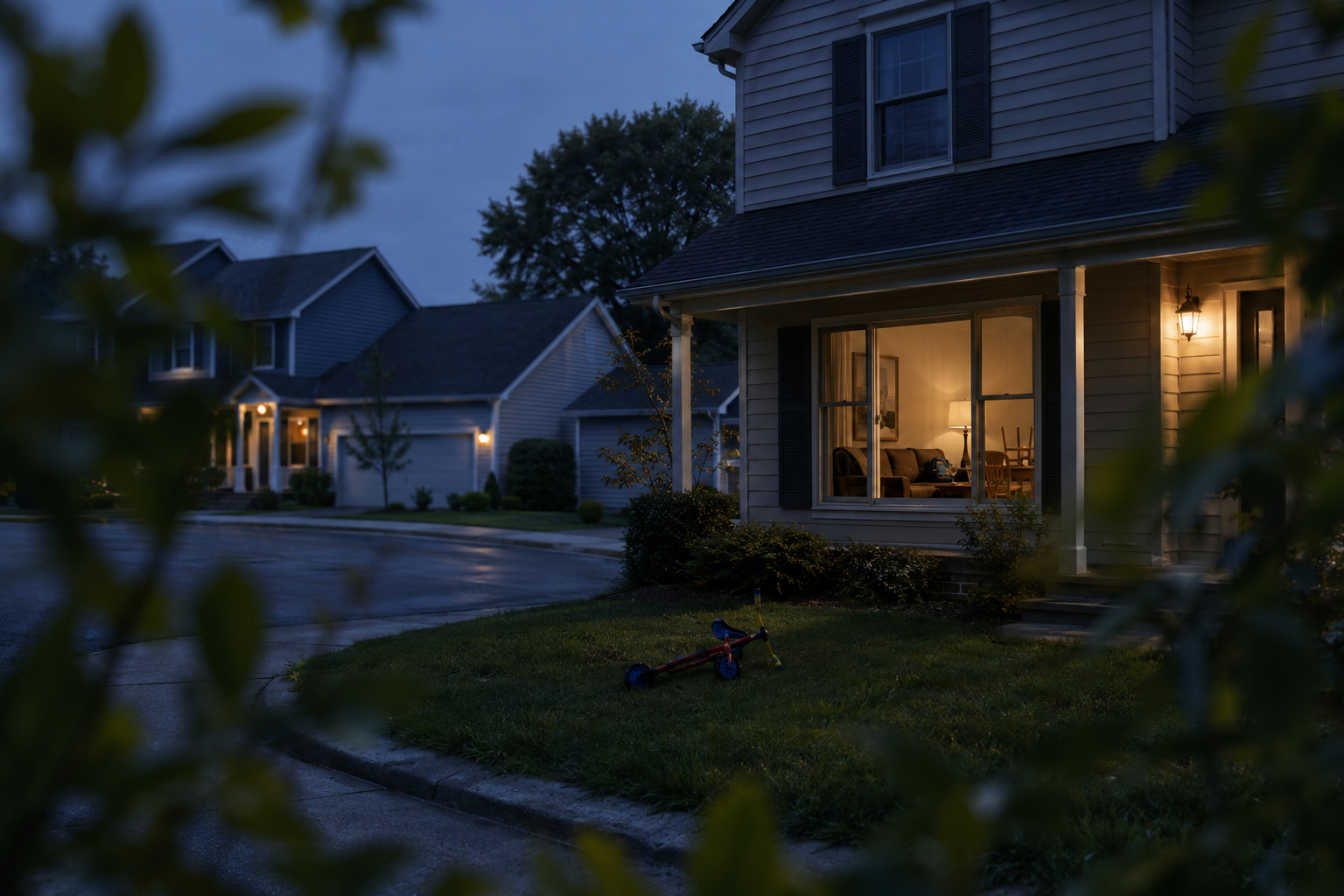
There’s a particular chill that comes when a crime or secret blooms inside a tidy kitchen, a quiet cul-de-sac, or a commuter’s routine. These six domestic thrillers take comfortable lives and tilt them until the seams show. They’re not about car chases and international conspiracies; they’re about what trust looks like when the people closest to you are not who you thought, and how ordinary details—missed calls, a locked door, a neighbor’s too-bright smile—become the smallest evidence of something rotten.
The Little Stranger — Sarah Waters
A gently eerie novel that feels like a slow crack appearing across a family and a house. Waters sets most of the dread inside a faded country manor and inside the rhythms of postwar English domestic life. The terror here accumulates quietly, in odd noises, in social frictions, and in the way a home keeps the memory of what happened there.
Sharp Objects — Gillian Flynn
Flynn’s debut centers on a reporter returning to her small hometown to cover a murder. The book’s strength is its intimate, uncomfortable portrait of family and the town’s gossip networks. It reads like a pressure cooker tied to social expectation, where secrets are both revealed and protected by the very people who should care most.
The Girl on the Train — Paula Hawkins
Built around unreliable memory and the gaps between people who share the same daily commute, Hawkins turns suburban life into a source of suspicion. The novel’s claustrophobia comes from the characters’ private failures and the way ordinary routes—train tracks, neighborhood streets—become stages for darker truths.
The Couple Next Door — Shari Lapena
A fast, propulsive read about a babysitting setup gone wrong. Lapena leans into shaken trust: between spouses, between neighbors, and in the criminal justice instincts that rush in when the domestic sphere is violated. It’s an effective reminder that proximity makes for both comfort and complication.
The Woman in the Window — A.J. Finn
This one plays with voyeurism and isolation: a woman who watches her neighbors from inside her home becomes convinced she’s seen something she shouldn’t have. The book rides the tension between what’s observed and what’s real, and how fear can reshape a familiar apartment into an arena of suspicion.
Behind Closed Doors — B.A. Paris
Paris uses a deceptively serene marriage to examine control and appearances. The novel’s pulse comes from the contrast between public perfection and private constraint, making every domestic ritual—dinner, a toast, a party—feel like potential evidence.
Conclusion
If you like your suspense served in living rooms and on neighborhood lawns, these books prove that the scariest stories often begin at the kitchen table. Each title asks the same uneasy question: how well do you really know the people who share your street?