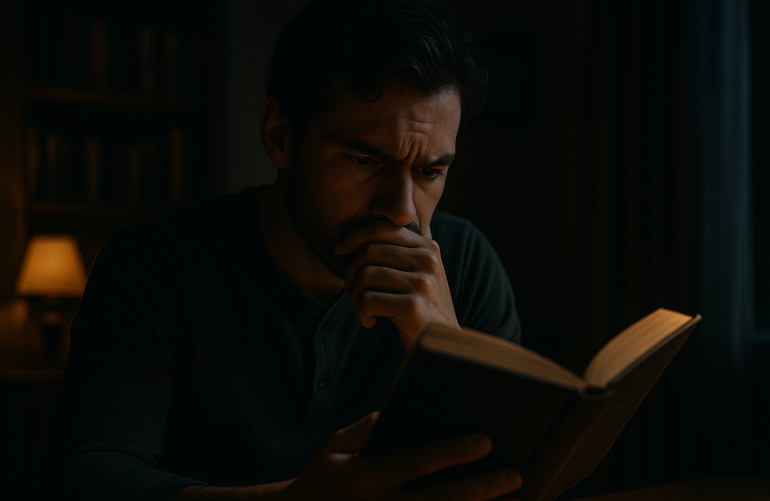
From classic detectives like Sherlock Holmes to modern thrillers like Gone Girl, crime-solving stories have captivated readers for generations. These tales combine suspense, intellect, and human psychology in ways that keep audiences turning pages late into the night. But beyond the thrill of mystery, what truly draws readers in is the satisfaction of uncovering truth — a universal desire to make sense of chaos.
The Allure of the Puzzle
At the heart of every great crime story lies a puzzle waiting to be solved. Readers are invited to play detective, piecing together clues, suspects, and motives. Each twist and revelation offers both frustration and delight, rewarding attention to detail. The sense of accomplishment when the mystery unfolds mirrors the human love for problem-solving — we crave order and resolution in a world often filled with uncertainty.
Characters That Challenge Morality
Crime fiction isn’t just about “whodunit” — it’s about why. Complex characters blur the lines between good and evil, justice and vengeance. Whether it’s the morally torn detective or the brilliant criminal, readers find themselves questioning their own beliefs. These stories let us safely explore moral dilemmas and dark impulses without crossing them in real life.
The Psychology of Suspense
There’s a reason readers can’t resist a good plot twist. Suspense triggers adrenaline and curiosity, creating an emotional rollercoaster that’s both thrilling and safe. The rhythm of tension and release keeps readers hooked, while the eventual resolution offers catharsis — the comfort of knowing the truth has prevailed, at least for now.
Conclusion
Crime-solving stories endure because they engage both heart and mind. They challenge our intellect, test our morals, and satisfy our need for closure. In every detective’s journey to uncover the truth, readers find a reflection of their own search for meaning — proof that in fiction, as in life, justice and curiosity go hand in hand.