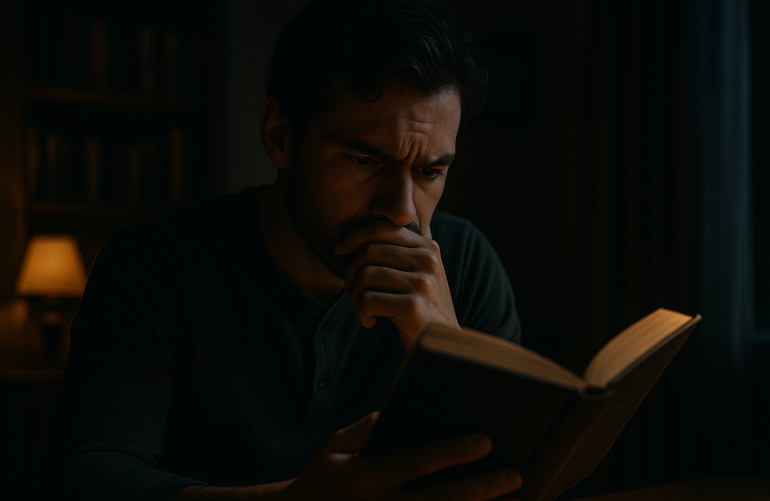
Stories about serial killers occupy a unique and unsettling space in popular culture. Despite their dark subject matter, these narratives consistently attract readers across genres—from true crime to psychological fiction. The fascination isn’t rooted in admiration, but in curiosity about the extremes of human behavior. These stories offer a way to confront fear, understand morality, and explore the boundaries between normalcy and monstrosity. For many readers, engaging with such material is a way to make sense of the unthinkable from a safe distance.
The Psychology Behind the Curiosity
One reason serial killer stories captivate readers is the desire to understand why someone commits such acts. Human beings are naturally drawn to puzzles, and the psychology of a killer represents one of the most complex and disturbing puzzles of all. Readers want insight into motives, childhood influences, personality traits, and decision-making patterns. Exploring these psychological layers helps people reassure themselves that such behavior can be studied, explained, and possibly prevented.
Fear as a Controlled Experience
Reading about serial killers allows people to experience fear in a controlled, safe environment. Unlike real-world danger, a book or article can be closed at any time. This sense of control transforms fear into intrigue. The tension, suspense, and emotional intensity activate curiosity without actual risk. For many, this controlled exposure to darkness heightens awareness and emotional engagement rather than causing distress.
Morality, Justice, and the Human Condition
Serial killer narratives often center on moral questions—good versus evil, justice versus chaos, and the resilience of victims and investigators. Readers are drawn not only to the crimes, but also to the pursuit of truth and accountability. These stories reinforce shared values by clearly defining moral boundaries. They also provoke reflection on how society identifies danger, protects itself, and responds to extreme wrongdoing.
The Role of Storytelling and Structure
Well-crafted serial killer stories rely heavily on narrative structure: timelines, clues, psychological tension, and gradual revelations. This methodical unfolding keeps readers engaged. Whether fictional or factual, the storytelling transforms disturbing events into structured narratives that feel comprehensible. The process of turning chaos into story gives readers a sense of order and understanding, even when the subject matter is disturbing.
Conclusion
Serial killers fascinate readers because they sit at the intersection of fear, psychology, and morality. These stories allow people to explore the darkest aspects of human behavior while seeking understanding and meaning. In confronting these narratives, readers aren’t celebrating violence—they’re trying to comprehend it.