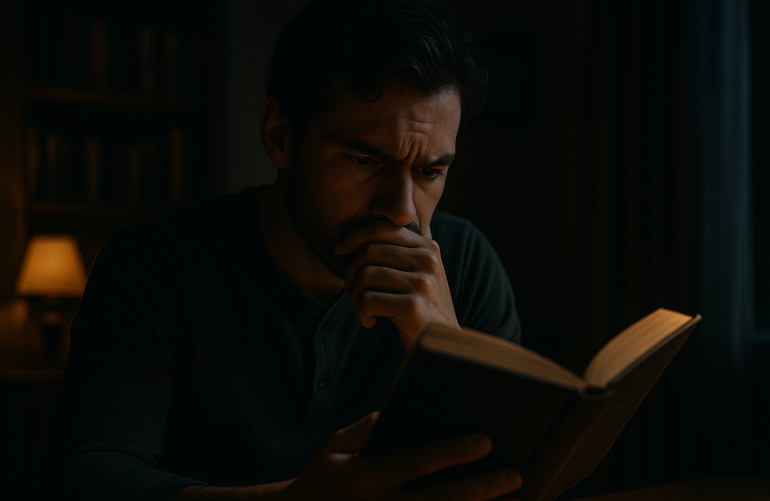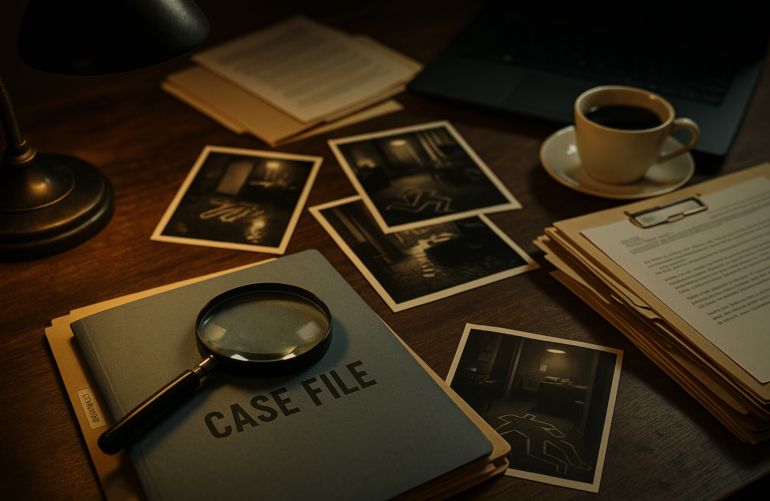
The best suspense stories do more than surprise readers—they make them feel. The tension builds slowly, pulling the reader into a world where every page raises the stakes. Whether it’s a psychological thriller, a crime mystery, or a quiet domestic drama, the art of suspense lies in one simple truth: anticipation is more powerful than revelation.
1. Build Tension Through What’s Unsaid
Suspense thrives in uncertainty. Instead of showing everything at once, withhold key details and let readers fill in the gaps. A creaking door, a strange message, or an unread email can create more anxiety than a full-blown chase scene.
Use subtle hints and incomplete information to fuel curiosity. Readers should always feel like they’re one clue away from understanding the truth—but never quite there.
2. Create Characters with Secrets
The heart of suspense isn’t action—it’s character. When every person in your story has something to hide, tension naturally grows. Even a kind neighbor or loyal friend can become a source of unease if readers sense hidden motives.
Let readers question everyone. A simple line like, “He smiled, but his eyes didn’t,” can turn an ordinary moment into something sinister.
3. Control the Pace Like a Heartbeat
Pacing is what makes suspense come alive. Alternate between fast, intense moments and slow, deliberate scenes that build anticipation. This rhythm mirrors the reader’s own heartbeat—speeding up during danger, slowing down just before the next twist.
Short sentences, clipped dialogue, and fragmented thoughts amplify tension, while longer passages allow a brief, deceptive calm before the next storm.
4. End Every Chapter with a Hook
Each chapter should end with a question, not an answer. Cliffhangers keep readers turning pages late into the night. Whether it’s an unresolved conversation, a mysterious discovery, or an unexpected knock on the door, always give them a reason to read “just one more.”
Suspense lives in momentum—the feeling that the next page might change everything.
5. The Twist They Didn’t See Coming
A satisfying twist feels both unexpected and inevitable. The clues were there all along, but only in hindsight does the reader see the full picture. The best twists don’t just shock—they deepen the story’s meaning and reveal new layers of character and motive.
Conclusion
Suspense isn’t about scaring readers—it’s about keeping them engaged, guessing, and emotionally invested. When crafted with careful pacing, layered secrets, and authentic emotion, suspense becomes more than a genre—it becomes an experience. So, dim the lights, sharpen your pen, and start writing the story that no one will be able to put down.