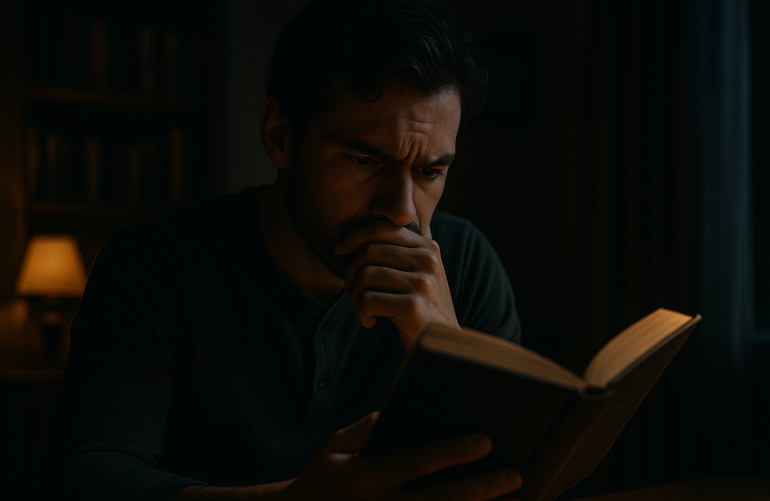
Mystery and thriller writers rely on tension more than any other tool to keep readers turning pages. Effective tension feels inevitable yet surprising, a fine balance between revelation and restraint. This guide outlines practical techniques authors can use to create atmosphere, escalate stakes, and sustain curiosity. Whether drafting a short story or plotting a novel, these approaches help maintain momentum and deliver satisfying twists.
Setting the Tone
Setting the tone is the first step in shaping reader expectation and mood. Choose a narrative voice, sensory details, and a setting that support unease or intrigue without telegraphing the outcome. Early scenes should plant emotional cues—uneasy silences, unreliable recollections, or small anomalies—that signal deeper trouble. Subtlety matters: too much exposition flattens suspense, while too little can confuse.
A consistent tone primes the reader for tension and rewards later reveals. Keep descriptions purposeful and suggestive rather than exhaustive. Refine early scenes until each element contributes to unease.
Crafting Suspense
Suspense emerges from questions readers want answered and obstacles that delay those answers. Structure scenes so each reveals a sliver of information while introducing a new complication or deadline. Use perspective shifts carefully to control what the audience knows compared to the protagonist. Scenes should end on unresolved beats— a withheld line, a locked door, an unexpected phone call. Use silence and pacing to let tension breathe between beats.
Building suspense is incremental and cumulative. Small tensions compound into a compelling need to read on. Measure each escalation against character goals for credibility.
Using Clues and Red Herrings
Planted clues help readers feel clever when they solve parts of the puzzle, but red herrings maintain uncertainty and protect key surprises. Balance honest hints with misleading details that are plausible within the world of the story. Keep a clear map of what the reader and each character know to avoid unfair contradictions. The best clues pay off logically at reveal while still feeling surprising. Avoid coincidence as a solution; aim for motive-driven revelations.
- Subtle physical object clues
- Contradictory witness statements
Thoughtful placement of clues rewards attentive readers and supports re-reads. Red herrings should be tempting but resolvable. When red herrings are revealed, make their misdirection illuminate character.
Pacing and Payoff
Pacing controls how quickly tension escalates and when the reader receives catharsis. Alternate moments of high stakes with quieter scenes that reveal character and motive to avoid fatigue. Increase tempo as the plot converges, shortening scenes and raising immediate consequences. Allow breathers where necessary so revelations land with emotional weight. Rhythm should reflect thematic concerns and character urgency.
A satisfying payoff ties clues to character choices and consequences. Resist the urge to rush the denouement; allow the final twist to breathe. Test tempo in drafts to find where tension naturally peaks.
Conclusion
Mastering mystery requires disciplined layering of tone, suspense, and misdirection. Each technique should serve character and plot so surprises feel earned rather than contrived. Practice and careful plotting turn promising ideas into gripping stories.