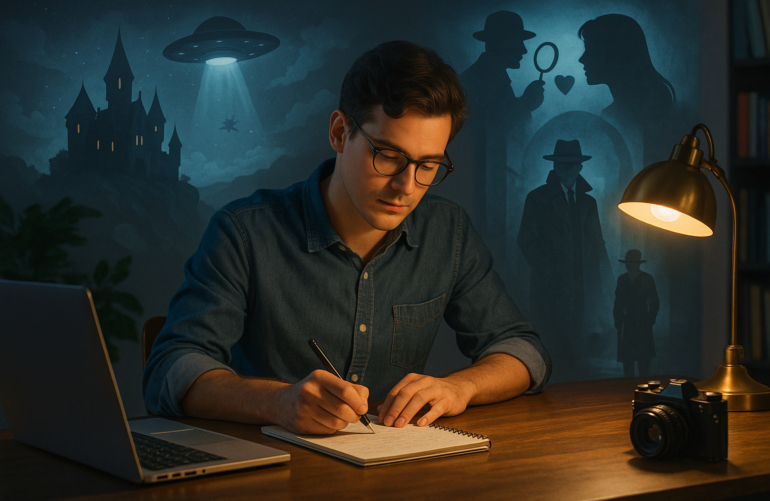
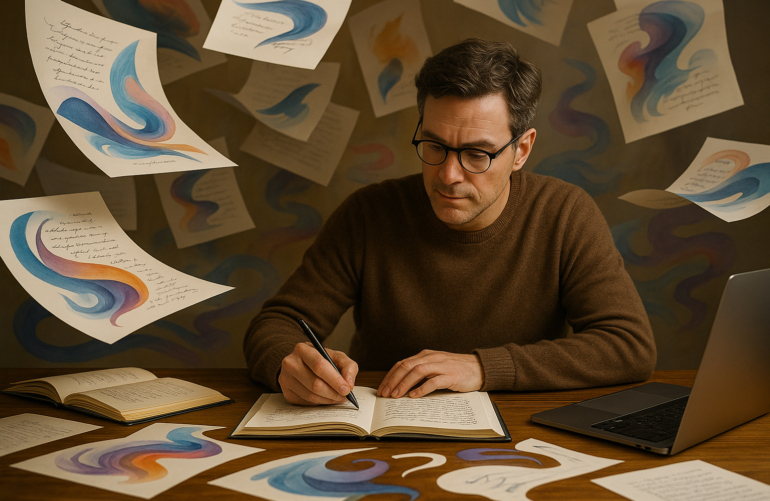
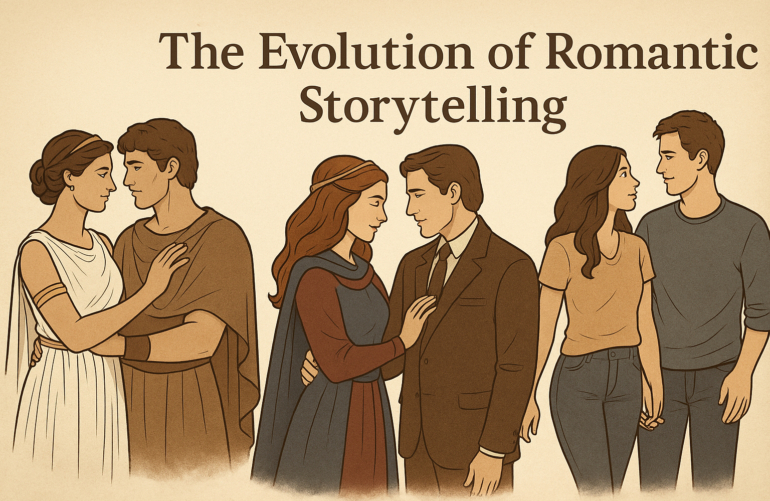
The boundaries of literature have never been more fluid. In an age when readers crave originality and emotional depth, many modern authors are breaking free from traditional genre constraints. This movement—known as genre fusion—has given rise to stories that defy classification, blending elements of mystery, romance, fantasy, and philosophy into entirely new forms of art. These works reflect a world where creativity transcends definition and storytelling knows no borders.
Blurring the Lines Between Categories
Traditional genres once served as neat boxes for readers to navigate—crime, sci-fi, romance, historical fiction. But today’s writers see those boxes as creative limitations. Authors like Neil Gaiman, Margaret Atwood, and Kazuo Ishiguro have redefined storytelling by merging speculative fiction with literary realism, using fantastical worlds to explore human emotion and social commentary. Readers are now drawn to experiences, not labels—where every page offers the unexpected.
The Rise of Hybrid Storytelling
Genre fusion thrives on experimentation. Mystery blends with magical realism (The City We Became), dystopia merges with romance (The Time Traveler’s Wife), and fantasy collides with social satire (American Gods). These stories challenge the notion that a book must fit into one category to be successful. Publishers, too, are adapting, realizing that readers increasingly value the authenticity of storytelling over adherence to market-defined genres.
Why Readers Love the Unpredictable
Modern audiences seek stories that mirror life’s complexity—where joy and sorrow, love and loss, hope and despair coexist. Genre-blending novels offer emotional and intellectual stimulation, appealing to readers who crave nuance. The unpredictability of these narratives keeps readers engaged, blurring the line between entertainment and reflection. It’s storytelling for the modern mind—dynamic, layered, and deeply human.
Digital Media and Creative Freedom
The rise of self-publishing, audiobooks, and digital platforms has empowered authors to experiment without traditional constraints. Writers can now blend mediums—fiction with poetry, essays with memoirs, even text with visual art. These innovations allow genre fusion to flourish beyond books, shaping podcasts, web series, and interactive storytelling experiences that reflect an evolving creative landscape.
Conclusion
Genre fusion represents the freedom of the modern storyteller—the right to mix imagination with truth, structure with chaos, and art with message. In refusing to be labeled, today’s authors remind us that creativity is limitless. As genres continue to blend and evolve, one truth endures: the best stories will always be the ones that surprise us, defy expectations, and make us feel something entirely new.