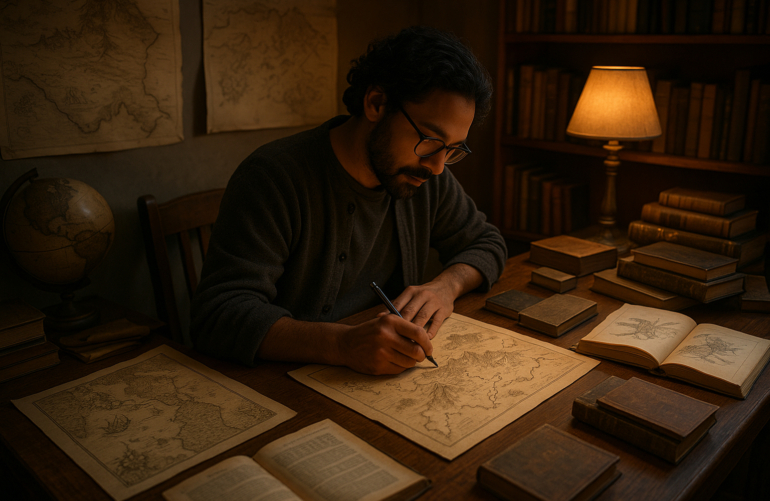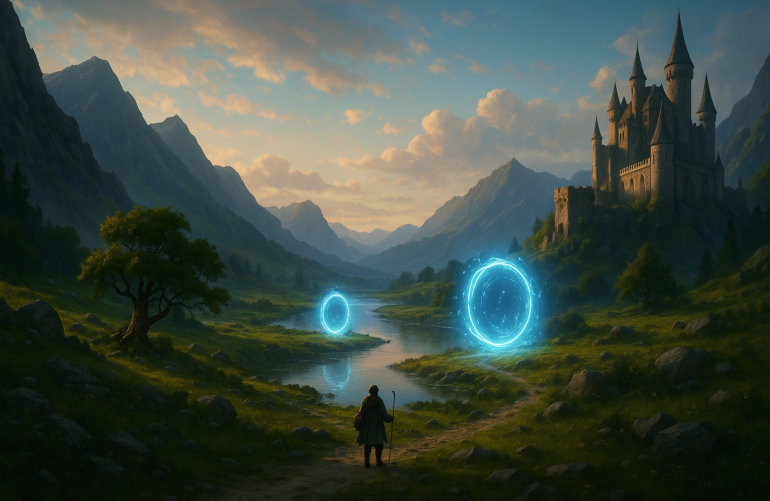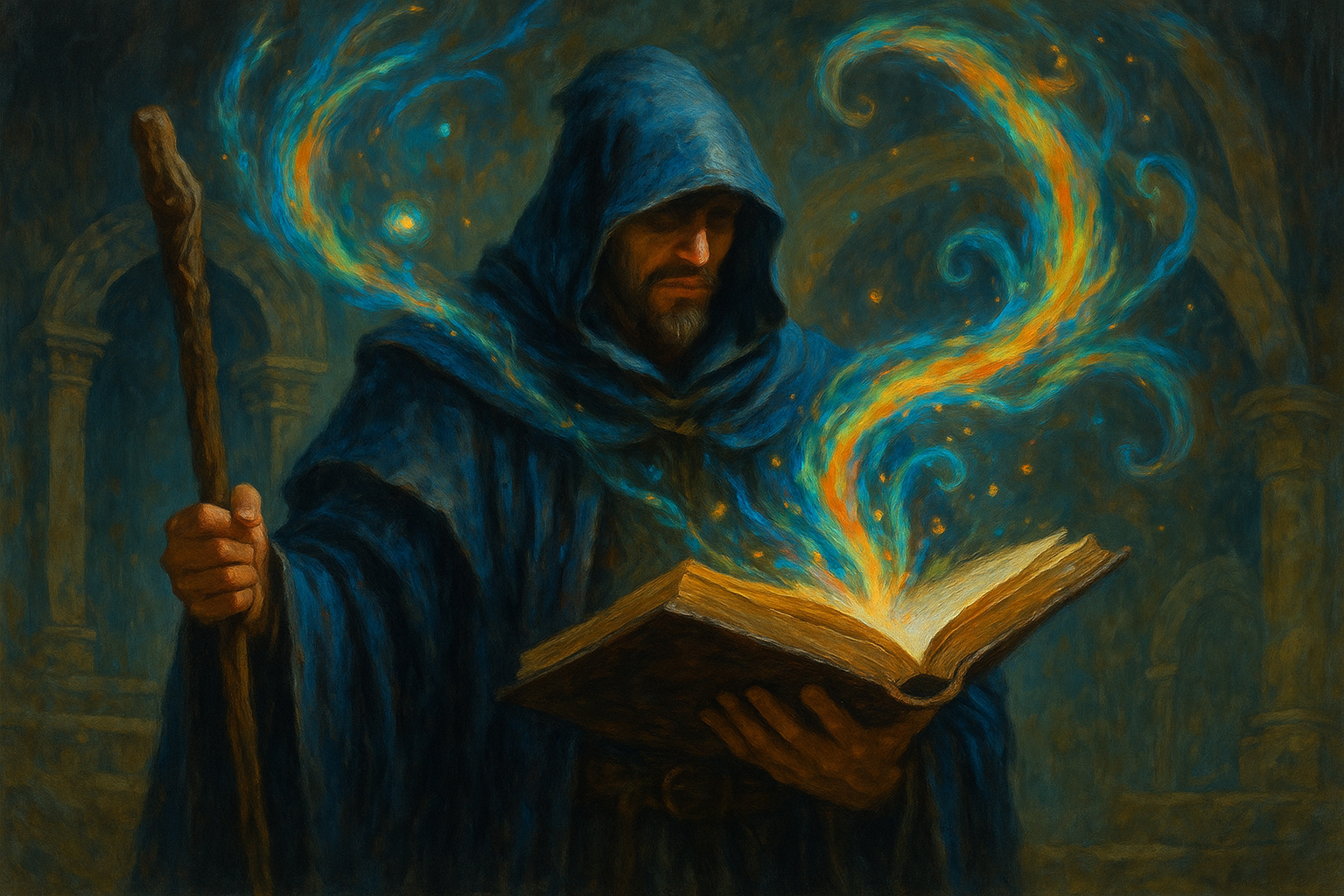
Turning a book into a film is both an art and a challenge. Fictional worlds built in the imagination of readers must suddenly exist in tangible form—complete with visuals, sound, and emotion. From Tolkien’s Middle-Earth to Rowling’s Hogwarts, the transition from page to screen has transformed how audiences experience storytelling.
The Power of Visual Storytelling
Cinema has the unique ability to make words visible. What a reader once imagined privately becomes a shared, sensory experience. Directors, screenwriters, and designers work together to translate literary depth into visual language, using everything from CGI to costume design to preserve the essence of the story.
Balancing Fidelity and Creativity
The best adaptations don’t just copy—they interpret. Filmmakers must balance loyalty to the source material with the creative freedom to make stories work cinematically. When done right, adaptations like The Lord of the Rings or Dune elevate their stories, giving fans a new dimension of immersion without losing the author’s intent.
Challenges of Adaptation
Not all details translate smoothly from page to screen. Internal monologues, rich descriptions, and complex timelines often require reinvention. Filmmakers face the difficult task of condensing hundreds of pages into a few hours—choosing what to keep, what to change, and what to leave behind.
Conclusion
The journey from page to screen breathes new life into fiction, turning imagination into reality. When literature meets cinema, stories don’t just evolve—they expand, reaching new audiences and redefining how we experience the magic of storytelling.