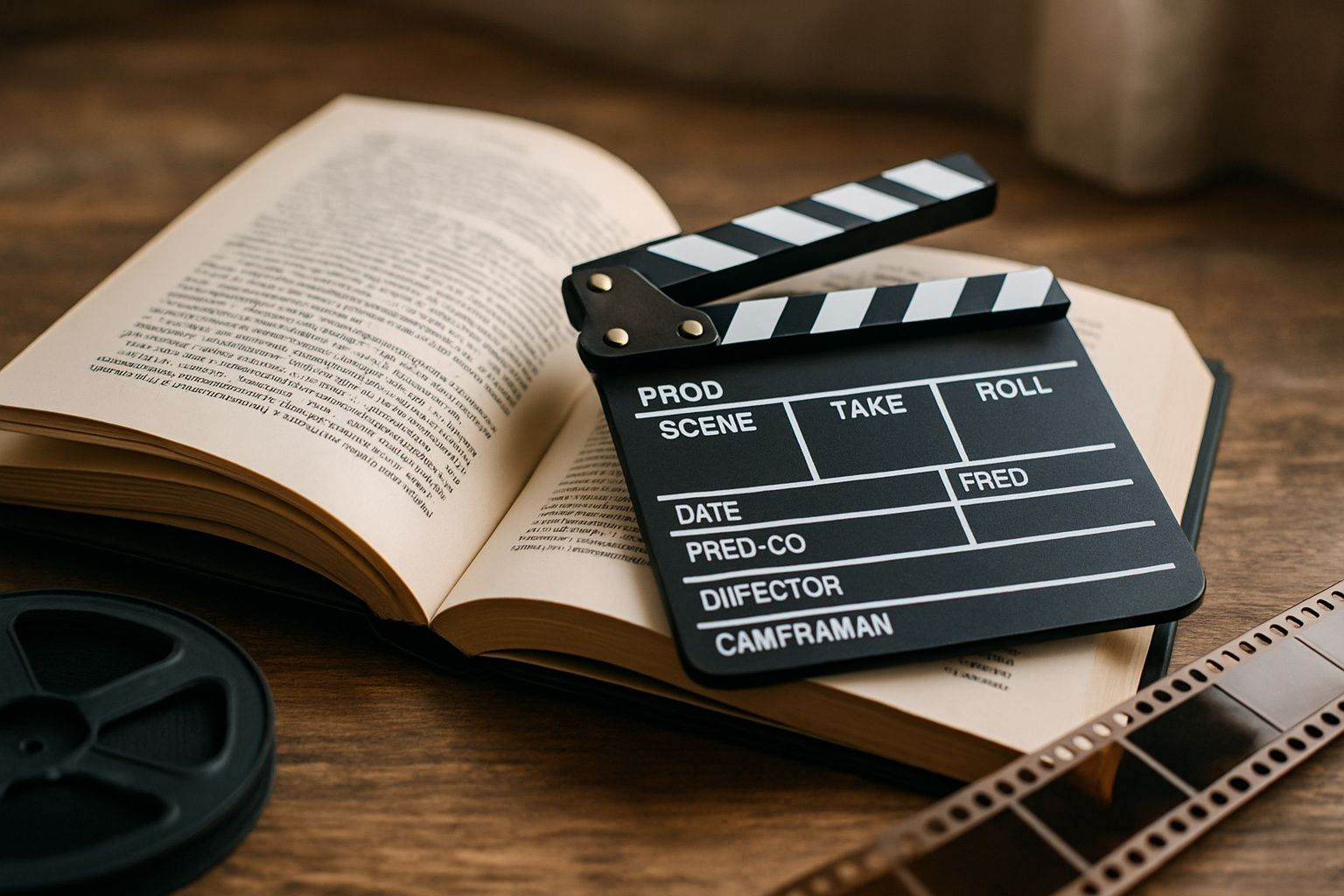
Modern literature has evolved into an experience that often feels as vivid and immersive as a film. Today’s writers use visual language, dynamic pacing, and emotionally rich scenes to create stories that unfold in the reader’s imagination like a movie. This shift reflects how deeply visual storytelling influences our culture—and how authors harness cinematic techniques to make their narratives more engaging, immediate, and memorable.
Modern readers expect stories that move quickly, paint clear pictures, and evoke strong emotion. As a result, many contemporary novels blur the line between page and screen, inviting us to see the story as much as read it.
Visual Language That Brings Scenes to Life
One of the most defining cinematic qualities in literature is the use of highly visual, sensory-driven prose. Writers craft scenes with crisp details that mimic the framing of a camera shot—wide landscapes, close-up emotional moments, or striking visual contrasts. This helps readers instantly imagine settings, characters, and actions with clarity. The effect is immersive, placing readers inside the story rather than observing from afar.
Dynamic Pacing Inspired by Film
Modern novels often adopt fast, rhythmic pacing similar to movie editing. Quick scene cuts, shifting viewpoints, and tension-built moments keep the narrative engaging and propulsive. Chapters may resemble scenes, moving rapidly between timelines or characters. This structure mirrors cinematic storytelling, offering readers a sense of movement that keeps their attention from one moment to the next.
Emotion-Driven Narratives
Film excels at capturing emotion, and contemporary literature borrows heavily from that influence. Writers use dialogue, internal monologue, and vivid action beats to convey feeling in a way that hits the reader immediately. Emotional arcs become central to the story’s flow, much like in movies where character development shapes the entire viewing experience.
Blending Genres and Storytelling Forms
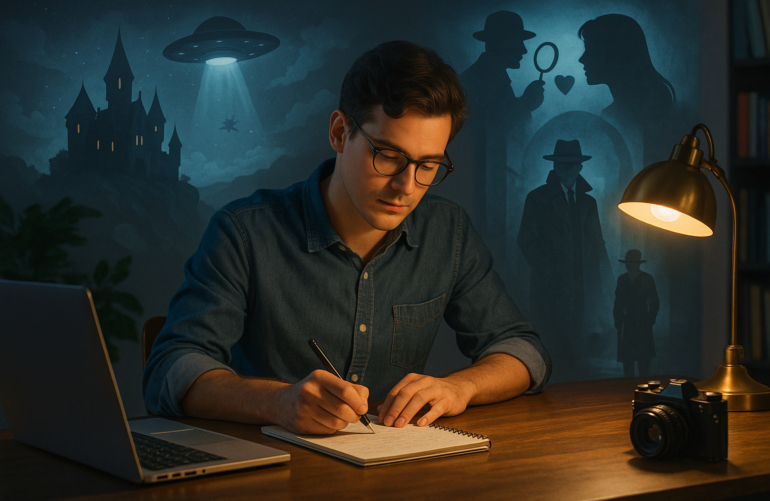
Many modern works blend multiple genres—mystery, romance, fantasy, thriller—similar to how films mix styles to appeal to broad audiences. Some books even read like screenplays, using minimalist prose or cinematic structure to create stories that feel ready for adaptation. This blend makes literature more accessible and visually rich while maintaining its deeper layers of meaning.
Conclusion
The cinematic qualities of modern literature reflect our increasingly visual world. By blending vivid imagery, emotional depth, and dynamic pacing, today’s authors create stories that resonate like powerful films. This fusion enriches both art forms, proving that great storytelling—whether on page or screen—thrives on connection, imagination, and impact.