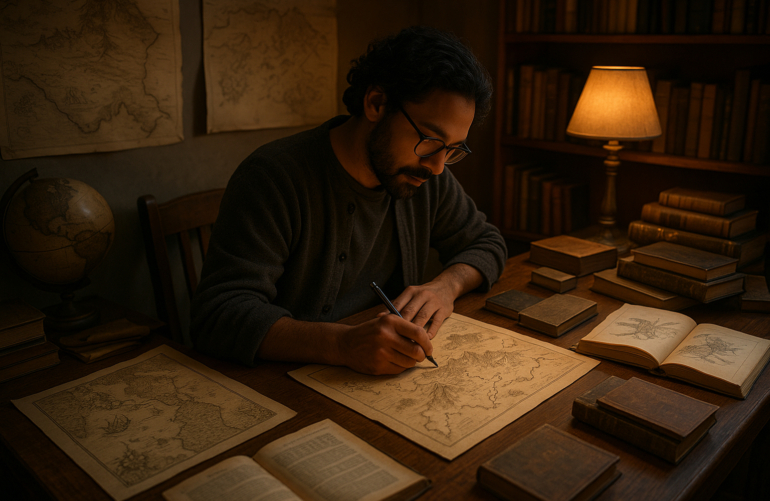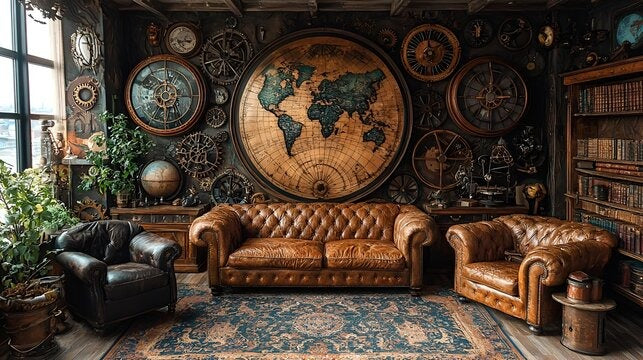
Steampunk has evolved from a niche artistic style into a captivating cultural movement that blends Victorian-era elegance with futuristic imagination. Its visual universe is filled with brass machinery, handcrafted gadgets, and a sense of adventure that feels both nostalgic and forward-looking. This unique mix invites people to rethink how technology and artistry can coexist. The aesthetic resonates with creators, designers, and storytellers who appreciate a world where innovation looks handmade rather than digital. Steampunk continues to fascinate because it turns history into a playground for imagining what the future could have been.
The Roots of a Retro-Future Vision
Steampunk draws heavily from the Victorian age—an era known for discovery, mechanical invention, and elaborate design. It reimagines that period with advanced technologies powered not by electricity, but by steam, gears, and intricate craftsmanship. This foundation creates an artistic language built on metal textures, analog mechanisms, and romanticized historical details. Steampunk doesn’t aim to recreate the past; it transforms it into something imaginative and emotionally rich, blending mechanical realism with a sense of fantasy.
Why the Aesthetic Feels So Compelling
A major appeal of steampunk lies in how tactile it feels in a digital world. Instead of sleek screens and invisible circuits, everything appears handmade, visible, and understandable. Gears turn. Pipes hiss. Materials look weathered and industrial. This aesthetic gives people a sense of connection and craftsmanship that modern tech sometimes lacks. It also encourages creative expression through fashion, interior design, props, and literature—each piece telling a story of alternate realities shaped by artistic engineering.
Steampunk’s Influence Across Creative Fields
From films and novels to fashion design and themed cafés, steampunk has inspired countless creative industries. Its blend of history and futurism allows creators to experiment without being tied to realism. Architects incorporate industrial finishes, artists design mechanical creatures, and storytellers imagine worlds powered by steam-driven inventions. Even technology enthusiasts appreciate how the aesthetic transforms machinery into something visually expressive, adding personality to innovation.
Conclusion
Steampunk remains popular because it invites people to imagine a future shaped by artistry rather than automation. Its handcrafted mechanical charm blends seamlessly with futuristic creativity, creating a timeless style. As long as people seek inspiration from both history and imagination, steampunk aesthetics will continue to thrive.