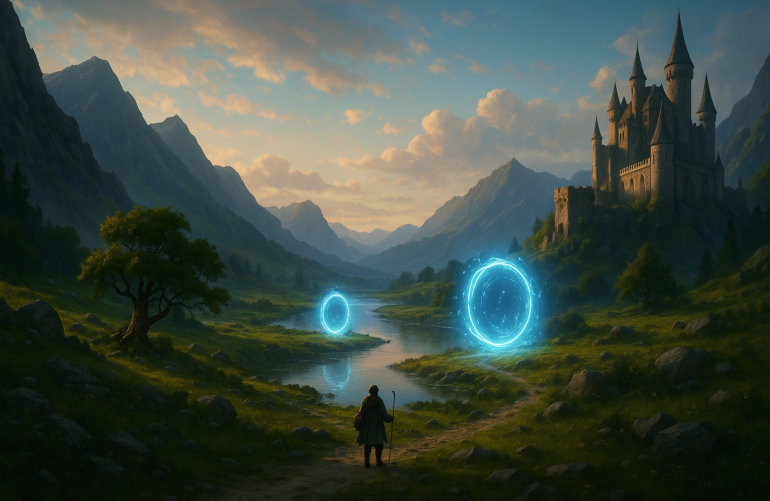
Fantasy stories have always offered a window into human nature, allowing readers to explore morality, identity, and personal values through larger-than-life characters. Heroes and villains in these worlds represent more than archetypes—they reflect internal struggles, ambitions, fears, and desires that shape real human behavior. Their motivations feel familiar, even when surrounded by dragons, magic, or mythical kingdoms. This blend of imagination and emotional truth is what makes fantasy such a powerful space for psychological exploration. Through these characters, readers examine what drives courage, corruption, loyalty, and betrayal.
How Heroes Reflect Our Aspirations
Heroes in fantasy often embody qualities people hope to develop within themselves—resilience, bravery, compassion, and a willingness to fight for something greater. Psychologically, they serve as mirrors of ideal behavior, helping readers visualize how virtues can look in action. Many heroes also start as ordinary individuals who rise to challenges, demonstrating that strength is often forged through adversity. Their journeys reveal emotional growth as much as physical triumph, showing that inner battles—self-doubt, fear, or grief—are just as critical as external threats.
Why Villains Capture Our Fascination
Villains are equally compelling because they reveal the darker corners of human psychology. Their motivations often stem from relatable emotions such as insecurity, rejected love, or a desire for power and recognition. These roots ground them in reality, even when their actions are extreme. Readers become fascinated by how ordinary feelings can twist into destructive paths. Villains also challenge moral boundaries, prompting audiences to question how far ambition or pain can push someone. Their presence raises essential questions about choice, consequence, and the fragile line between good and evil.
The Blurred Line Between Good and Evil
Modern fantasy increasingly showcases characters who fall somewhere between hero and villain—complex individuals shaped by past trauma, difficult decisions, or conflicting loyalties. This psychological depth reflects real life, where people rarely fit perfectly into moral extremes. Such characters show that goodness can coexist with flaws and that redemption or corruption is often a gradual, emotional process. By examining these blurred lines, fantasy encourages readers to approach others with empathy, understanding that behavior is shaped by experience, belief systems, and internal struggles.
Conclusion
Fantasy heroes and villains reveal timeless truths about human motivation and emotional complexity. Their stories highlight how hope, pain, ambition, and fear shape decisions and destinies. Through these characters, readers gain deeper insight into themselves—and the delicate balance between darkness and light that exists in everyone.