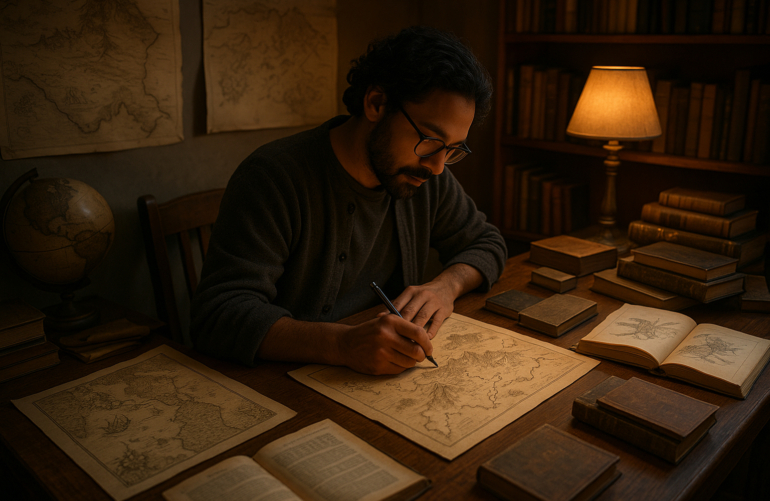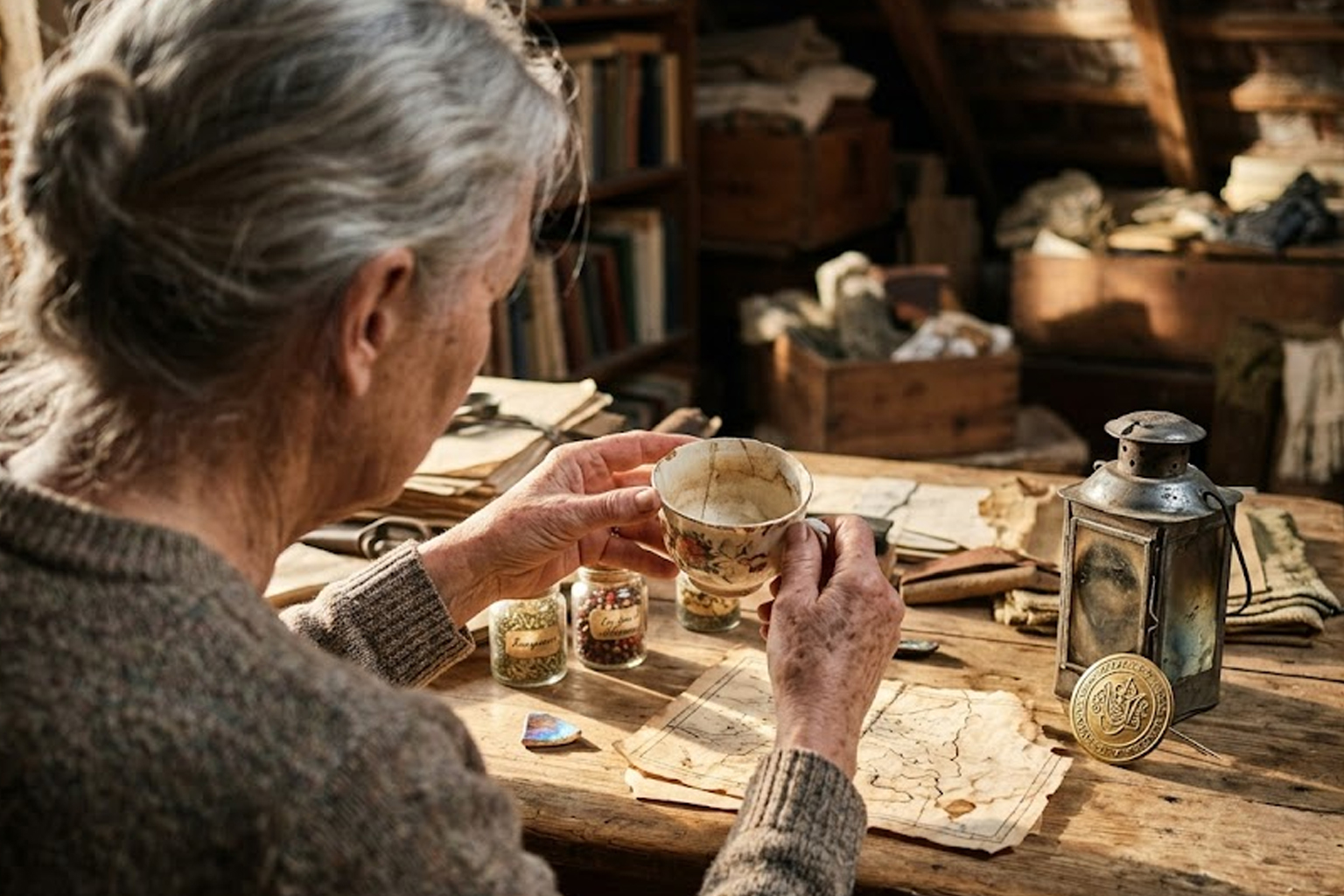
A single chipped teacup, an unusual greeting, or a weathered map can reveal much.
These small artifacts and gestures ground readers and suggest histories beyond the page.
When writers focus on intimate detail they offer believable motives, economics, and social rhythm.
This piece explores practical ways to use microdetails to deepen speculative settings without overwhelming plot.
Objects as Storytellers
Objects carry history without exposition, so choose ones that hint at use and neglect. A dented lantern suggests long travel and limited supplies, while a polished badge signals authority and pride. Describe sensory details: weight, smell, and the sound it makes to make it tactile. Avoid listing; instead pair items with a character’s routine or emotion to show relationships. Consistent trajectories for how objects change over time make scenes feel lived in rather than staged.
Let objects accumulate meaning across scenes so they become shorthand for backstory. Readers will notice when the same cup appears in different hands or states. That continuity rewards attentive readers and seeds future payoffs.
Language, Names, and Minor Rituals
Naming conventions and idioms reveal social structures and migration without lengthy explanations. A city nickname or a sailor’s curse can show who values honor or mocks authority. Invent morphological patterns for names and repeat them to suggest family ties and geography. Small habitual rituals, like the order of seating or how spices are offered, imply etiquette and power. Keep rules loose enough to be natural but consistent enough to be recognizable by the reader.
Language flavors dialogue and signage subtly, helping readers infer culture. Use fragments of dialect sparingly to avoid confusion but enough to suggest depth. These touches make speech itself feel like worldbuilding.
Economies, Ecology, and Everyday Logistics
Small logistical details reveal how people survive and prioritize resources in your setting. Mention what is scarce and what is abundant to guide expectations about conflict and trade. Show how seasons affect travel, food, and work to make time and movement believable. Consider waste, repair, and craft traditions to suggest technological and ecological constraints. These concrete choices create a scaffolding for plot decisions and character priorities.
By tracing supply chains and daily routines you explain why certain choices make sense. Readers will accept bold world features when mundane causes justify them. This practical grounding strengthens any speculative premise.
Conclusion
Microdetails anchor imagination in ways grand gestures cannot.
They let readers infer depth, history, and human behavior without overt explanation.
Intentional, repeated small choices make speculative worlds feel inevitable and resonant.