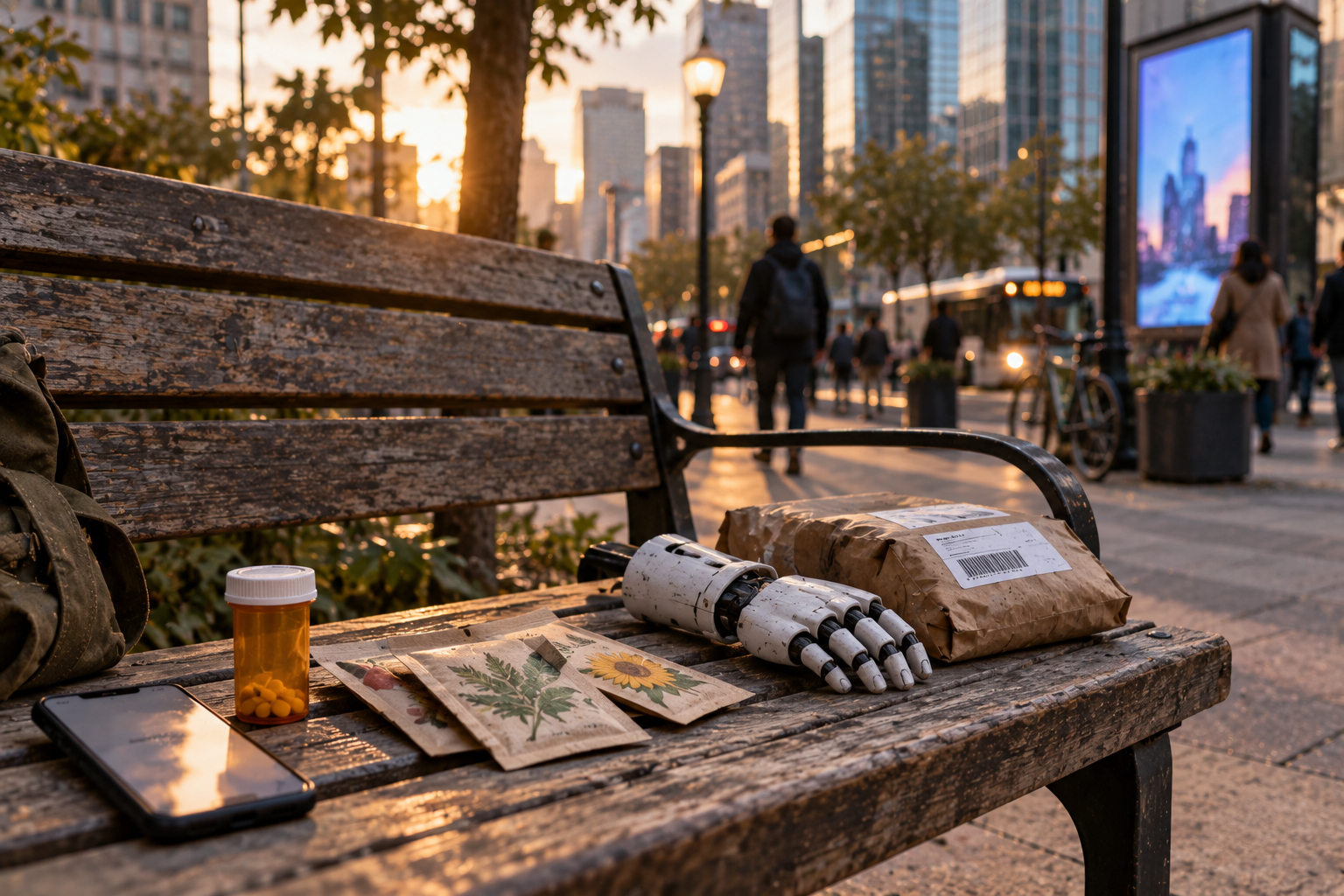
Technology in these books is not a single flashy invention but a set of small, ordinary things—platforms, patents, medical protocols, supply networks—that quietly rearrange daily life. Each novel below treats gadgets and systems as social forces: they shape jobs, neighborhoods, loyalties and the way people imagine a future worth living.
The Circle — Dave Eggers
Eggers turns social media and corporate surveillance into a creeping social religion. The book tracks how workplace platforms, ubiquitous sharing, and algorithmic rewards change relationships and civic life. Read it if you want sharp, readable satire about the human cost of normalization: the tech feels ordinary, which makes its consequences unnerving.
Never Let Me Go — Kazuo Ishiguro
Ishiguro keeps his focus intimate while a medical system quietly governs every character’s future. The novel’s strength is its hush—how daily routines and small school rituals make a larger biomedical order feel inevitable. (Minor spoiler warning: the society’s medical practices are central to the stakes.) The result is elegiac and morally complex rather than gadget-driven spectacle.
The Windup Girl — Paolo Bacigalupi
Biotech, corporate control of seeds and calorie accounting become infrastructure in Bacigalupi’s near-future Bangkok. Here, engineered organisms, patent law, and food scarcity are plumbing: they determine who survives and who gets to move. The book is both brutal and lush, delivering how speculative biology embeds itself into markets, manners, and the street-level economy.
Autonomous — Annalee Newitz
Newitz explores drugs, patents, and robot labor as everyday legal and commercial frameworks. The novel follows a pharmaceutical pirate and a robot detective through a world where autonomy—of people and machines—means different things to different classes. It’s part caper, part ethical puzzle, and useful for readers who like a brisk pace with smart reflections about intellectual property and labor.
The Peripheral — William Gibson
Gibson imagines near- and far-future worlds linked by technologies that feel like plausible extensions of current networks: remote embodiment, market manipulation, and distributed power structures. Instead of one spectacular device, it’s the social uptake—who gets access, who profits, who is left vulnerable—that drives the drama. The Peripheral rewards readers who like scale and moral ambiguity alongside pulse-quickening plotting.
Conclusion
If you’re curious how ordinary systems—platforms, medical rules, corporate patents, and supply networks—can remap society, start with whichever premise hooks you: The Circle for social media anxieties, Never Let Me Go for quiet moral resonance, The Windup Girl for biotech’s hunger, Autonomous for questions about labor and law, or The Peripheral for a widescreen take on distributed tech. Each one makes everyday technology feel consequential and human.