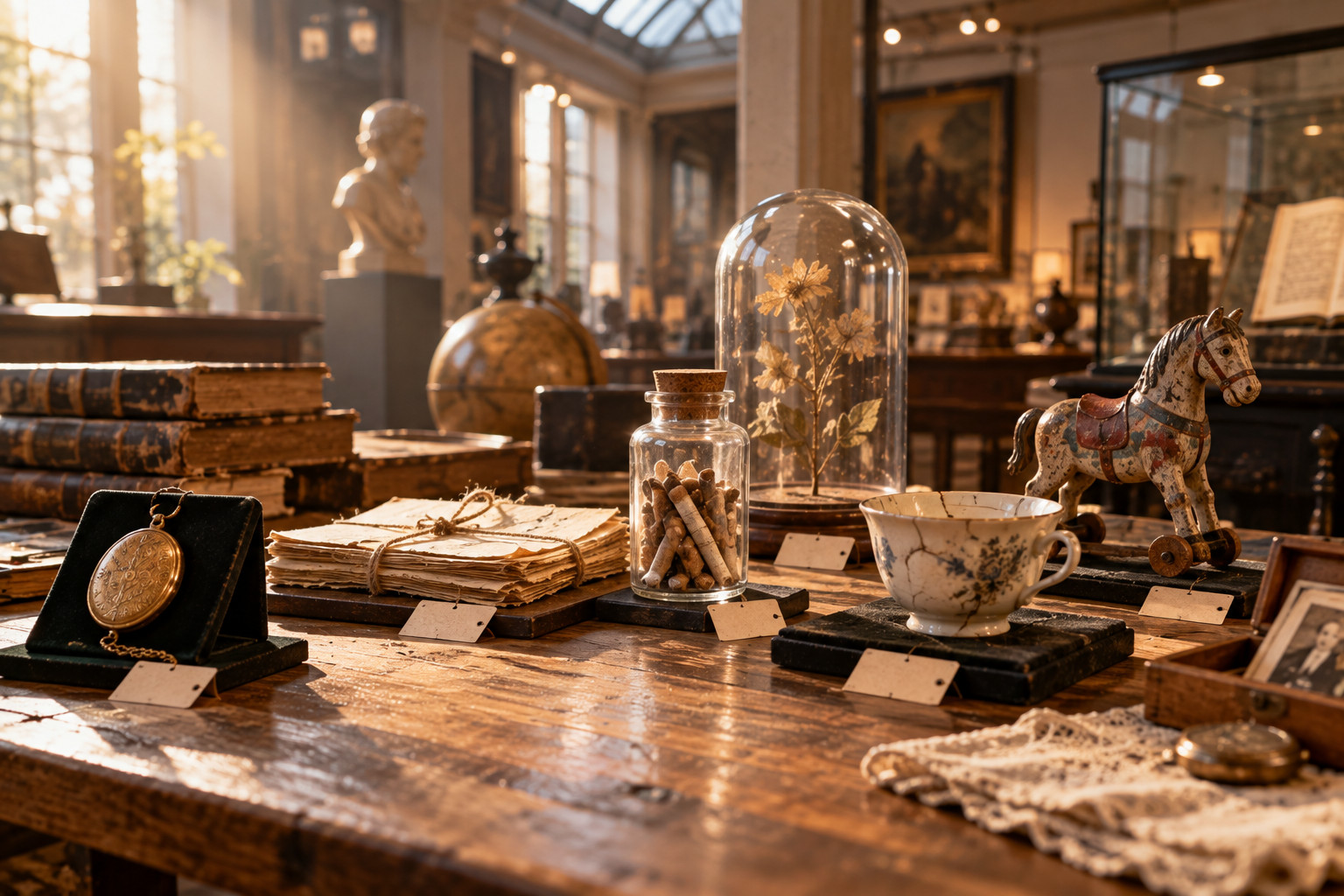
Some novels give us maps, other novels hand us talismans. The five books below treat objects—not as props, but as carriers of grief, memory, or secret life. If you enjoy fiction where a single locket, a collection of trinkets, or a hidden manuscript reshapes a character’s world, these reads will stay with you long after the last page.
The Keeper of Lost Things — Ruth Hogan
Ruth Hogan’s warm, slightly mischievous novel centers on a man who collects lost items to atone for a promise. Each object arrives with its own backstory, and the ensemble cast who inherit the collection discover how ordinary things can prompt unexpected healing. It’s a gentle, character-driven book with a soft sense of wonder.
The Museum of Innocence — Orhan Pamuk
Orhan Pamuk built a story around an obsessive love and the hundreds of objects tied to it. The novel reads like a catalog of feeling: receipts, cigarette butts, and small household items become evidence of a life lived in pieces. Pamuk’s work is slow and exacting—beautifully suited to readers who like fiction that lingers on the tactile.
The Shadow of the Wind — Carlos Ruiz Zafón
Books about books seldom feel fresher than this Barcelona-set mystery. A single forgotten novel leads a young protagonist into a maze of forgotten rooms, ruined libraries, and the lives attached to a book’s circulation. Zafón combines atmosphere and plot momentum, making the physical book itself the engine of the story.
The Thirteenth Tale — Diane Setterfield
Diane Setterfield’s gothic-tinged novel pivots on a reclusive author’s final confessions and the manuscript that contains them. The house where the author lives, the lettered pages, and the worn objects inside its rooms create a suspenseful intimacy. For readers who like secrets delivered by hands on paper, this one rewards patient reading.
The Little Stranger — Sarah Waters
Sarah Waters uses an old country house as a slow-burning, uncanny presence. While the novel’s mood is built on architecture and atmosphere more than a single heirloom, the way everyday items accumulate meaning—china, portraits, and domestic clutter—makes the house itself feel like a character with memory. Note: mild spoilers if you’re sensitive to plot revelations about the house’s history.
Conclusion
If you treasure novels where objects carry echoes—keepsakes that hold grudges, books that reveal histories, houses that keep secrets—these five will give you that delicious, particular feeling of recognition: the past, when concentrated into things, becomes incandescent.