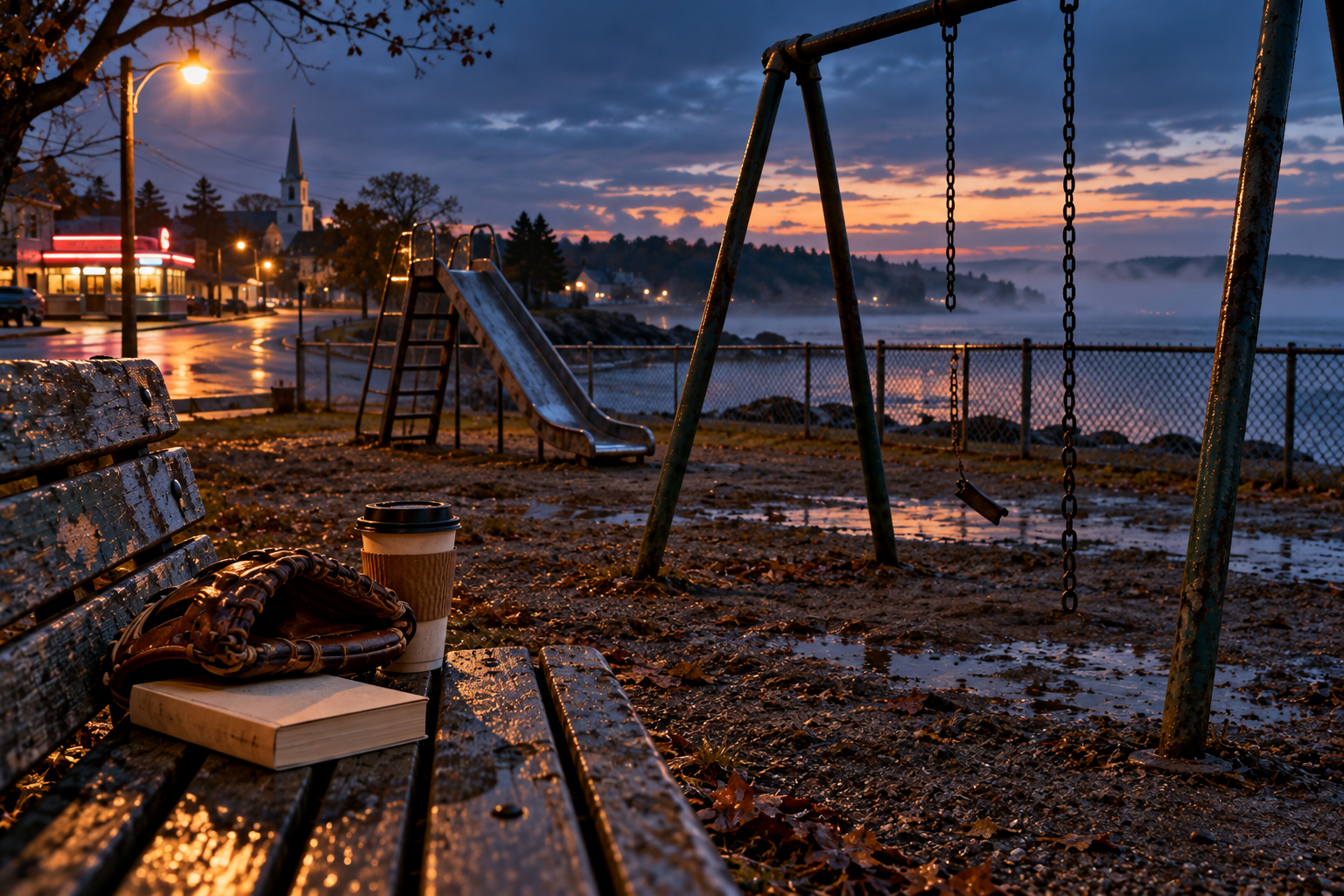
There’s a particular chill when the uncanny shows up in a place that feels lived-in: a diner where everyone knows your name, a playground with a missing swing, a river people avoid. These six novels use the intimacy of small communities to make the strange feel immediate — hush-hush rumors, whispered histories, and ordinary routines that suddenly look menacing.
Salem’s Lot — Stephen King
King’s classic turns a New England town into a slow-blooming nightmare. The familiar rhythms of small-town life — teens, baseball games, neighborhood gossip — make the arrival of something parasitic all the more disturbing. Expect creeping dread more than jump-scare theatrics.
The Ocean at the End of the Lane — Neil Gaiman
Gaiman writes a fable-like memory of childhood where rural lanes and a single farmhouse hold layers of ancient menace. The narrator’s return to his old neighborhood reconnects him to a small circle of people and a secret that reshapes how you read the ordinary landscape. Gentle, strange, and elegiac.
The Fisherman — John Langan
Two men, grieving and tethered to small Rust Belt towns, find themselves drawn to an old fishing tale. Langan’s novel blends folklore with cosmic horror; the local setting — diners, church basements, a river that feels alive — grounds its vast, unsettling revelations. A slow-burn that rewards patient readers.
The Leftovers — Tom Perrotta
Perrotta examines how a sudden, unexplained disappearance fractures communities and daily rituals. Many scenes take place in small towns and suburbs where neighbors once understood each other; the novel shows how that understanding erodes, and how ordinary places become sites of ritual and rumor. Emotional and quietly uncanny.
The Giver — Lois Lowry
This compact dystopia centers on a tightly controlled community that appears orderly and safe. The small, regimented world makes the book’s central revelations about memory and choice feel immediate — and chilling. It’s a reminder that constrained societies can be as intimate and claustrophobic as any village.
Mexican Gothic — Silvia Moreno-Garcia
Set at a decaying estate in the Mexican countryside, Moreno-Garcia’s novel uses isolation and local custom to build creeping menace. The protagonist arrives as an outsider, but the rural community and its secrets quickly make the house feel like the whole town’s beating heart. Atmospheric, with a slow-gathering sense of wrongness.
Conclusion
If you like your speculative fiction where gossip matters and front porches hide fractures, these novels turn small places into stages for big, odd consequences. Start with the tone you want — elegiac, eerie, or quietly apocalyptic — and let a single streetlamp or riverbank lead you into something stranger.