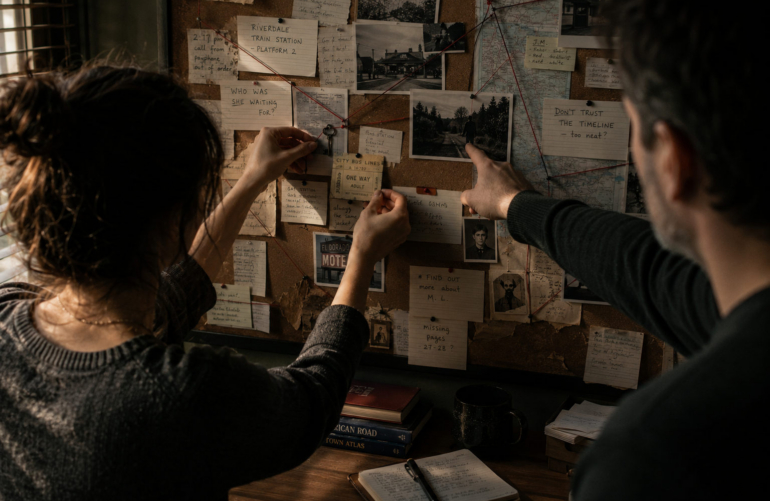
Short fiction asks for compression without losing emotional weight. A compact story must establish mood, character, and stakes quickly and memorably. Developing a single strong image or moment helps focus the reader and gives the story momentum. These essentials…
Short fiction asks writers to make every word earn its place, and that constraint can produce stories of rare clarity and force. When plot, character, and image must coexist in limited space, choices about what to include and what…
Stories set beyond the familiar hinge on systems that characters use every day. Small infrastructures — the pipes, messaging nets, food routes, and light grids — act like veins in a living world, carrying both utility and history. When…
When speculative writers anchor their worlds in everyday systems, readers find entry points that feel tangible and lived-in. Small routines, local markets, and mundane regulations give weight to grand ideas and make cultures believable. This introduction explores how routine…
Good nonfiction begins with noticing, but it succeeds when those notes are shaped with intention. Writers who practice purposeful selection turn small observations into essays that feel inevitable rather than incidental. This piece outlines clear steps to help you…
A nonfiction draft often arrives as a cluster of moments, fragments, and tentative claims. Before polishing language, the task is to discover what the piece is trying to say. This discovery guides which scenes you keep, which details you…
Pressing pause with a short, intentional reading ritual can sharpen creative focus and restore calm between tasks. A compact literary pause fits into a busy schedule while offering narrative richness and a fresh perspective. When designed deliberately, these micro-routines…
Short stories are compact workshops for attention, emotion, and craft. They can be read in a single sitting and revisited for new detail and pattern. Building a simple ritual around them makes creative rest and learning sustainable. This piece…
In mysteries the subtlest details often sustain a novel’s momentum. Rather than dramatic reveals, small recurring elements keep readers attentive. Quiet narrative threads let tension accumulate without overt melodrama. This approach rewards close reading and builds atmosphere across scenes.…
Successful thrillers hinge less on grand twists than on the way small, well-timed details accumulate into an inevitable revelation. A single object, a habitual behavior, or an offhand remark can shift a reader’s trust and reshape the story’s stakes.…