Not light reading, but nothing about James Joyce’s Ulysses is incidental. The novel follows a single day in Dublin and rewards readers who relish close attention to language, small detours of thought, and the way an ordinary city can…
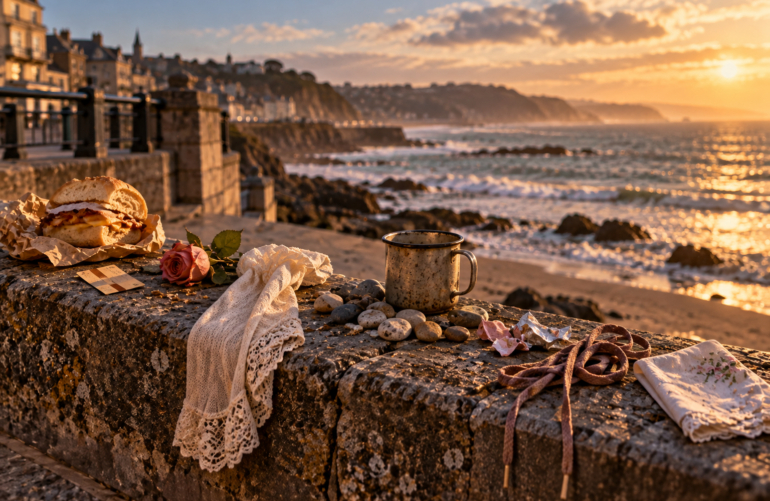


Not light reading, but nothing about James Joyce’s Ulysses is incidental. The novel follows a single day in Dublin and rewards readers who relish close attention to language, small detours of thought, and the way an ordinary city can…

Some novels turn on loud, dramatic moments; others find their force in the small shifts that quietly tilt a life. The books below track those soft seismic events — a decision in a kitchen, a withheld confession, a letter…
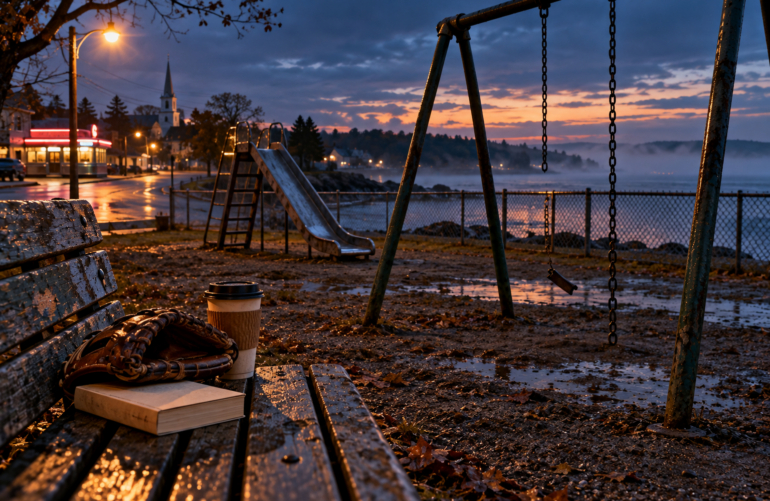
There’s a particular chill when the uncanny shows up in a place that feels lived-in: a diner where everyone knows your name, a playground with a missing swing, a river people avoid. These six novels use the intimacy of…
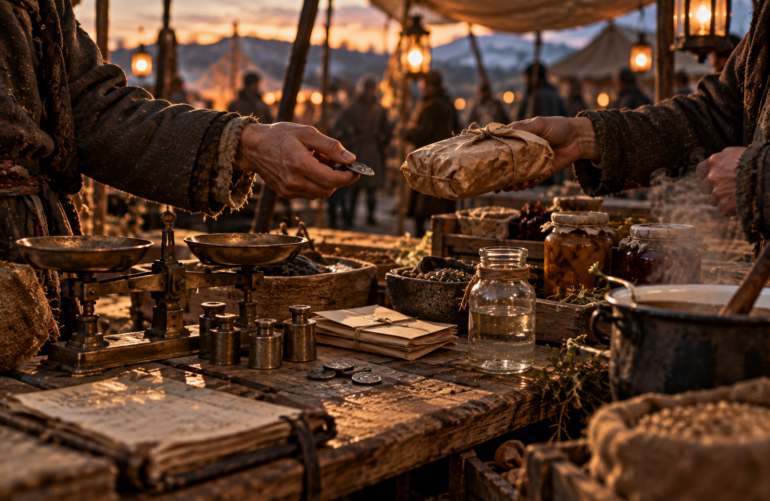
Markets, meals, and the small economies of daily life tell big stories. Sometimes the hinge of a speculative world isn’t a prophecy or a war but a crowded bazaar, a scarce ration, or a city’s brittle trade agreements. These…

Some nonfiction reads feel like slow-burning lanterns: they don’t just inform, they illuminate what people endure and how they keep going. Below are five memorable books—memoirs and narrative nonfiction—that explore survival in its many forms: physical endurance, moral courage,…
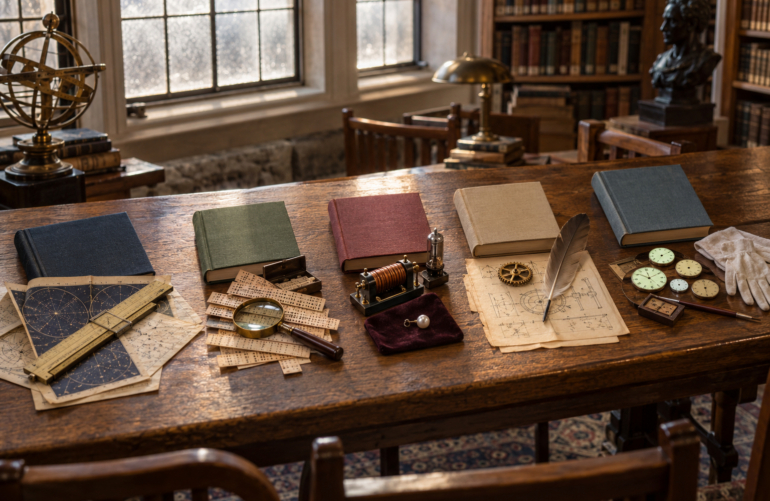
There’s a particular satisfaction in reading well-told nonfiction that brings a single life — or a group of lives — into crisp focus. These five books spotlight women whose curiosity, persistence, and stubborn intelligence moved science, technology, and public…
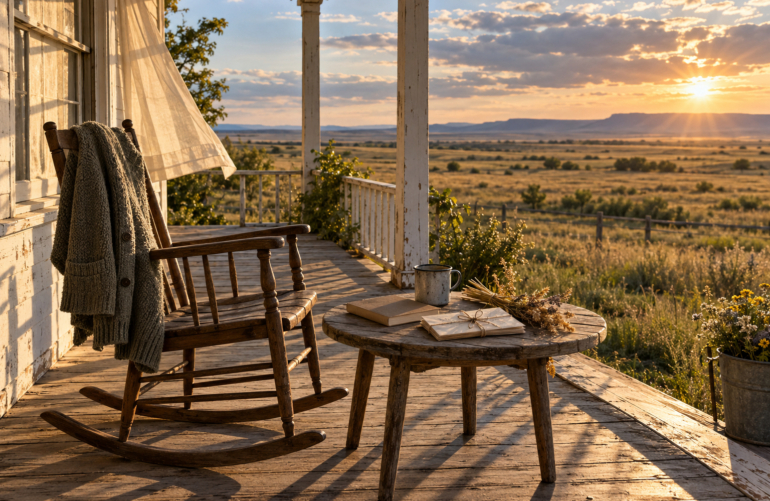
Not every memorable book arrives with high stakes or plot fireworks. Some nestle into the small spaces of everyday life — a ruined promise, a single long afternoon, the work of a lifetime done in silence — and keep…
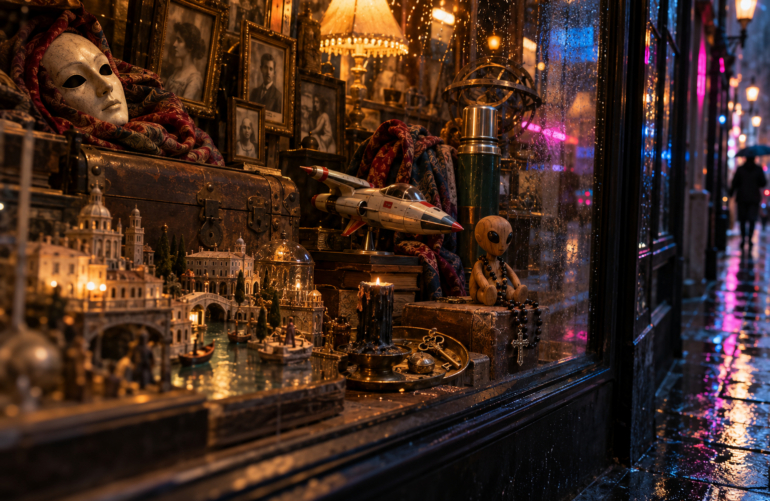
Find your next read beyond simple labels Labels are useful in browsing, but some of the most memorable books refuse to sit neatly on a shelf. Below are six novels that mix elements—mystery, speculative ideas, literary prose, and strange…
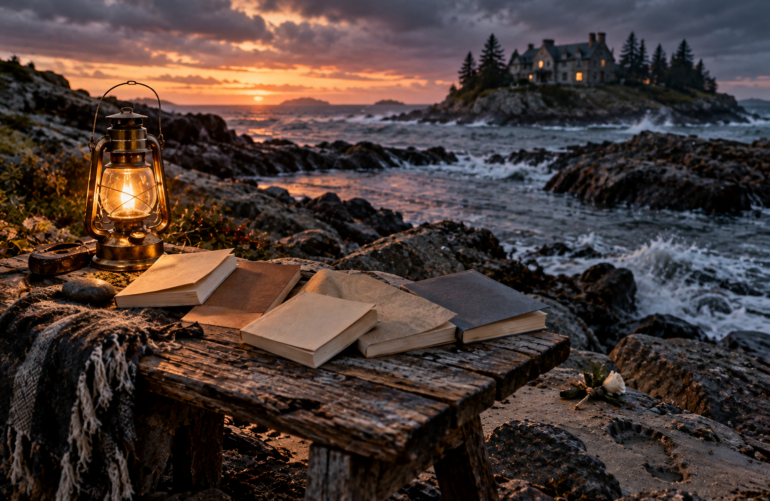
Isolation does something to a story: it amplifies every creak, magnifies small betrayals, and makes even polite silences feel dangerous. These five thrillers use remote houses, islands, and locked-down institutions as more than backdrop — they make place act…
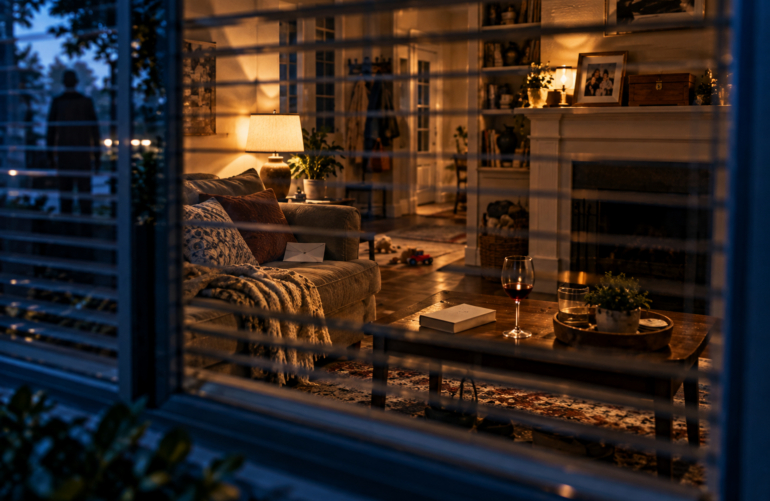
There’s a particular chill that comes from a story set inside kitchens, living rooms, and small backyards—familiar spaces that suddenly feel unreadable. These six domestic thrillers turn ordinary homes into pressure cookers of deceit, mistrust, and slow-burning dread. If…