Introduction Nonfiction works best when it balances accuracy with a clear narrative shape. Readers come for facts but stay for meaning, so writers must translate events into a readable arc without sacrificing truth. That means making deliberate choices about…

Introduction Nonfiction that lingers does more than report facts; it invites readers into a human experience. To achieve that, writers must blend accuracy with narrative energy and emotional specificity. This introduction outlines practical approaches for shaping truthful material into…
Introduction Short fiction training develops clarity of focus and speed in storytelling. By concentrating on a single scene or emotional turn, writers learn to make every sentence count. Regular short exercises sharpen instincts for pacing, voice, and the architecture…
Short fiction offers a concentrated way to explore ideas, emotions, and moments that might feel diffuse in a longer work. For readers and writers alike, brief narratives can deliver intense insights with fewer commitments of time and scope. This…
Character flaws are more than flaws: they are engines that drive suspense across a novel. When chosen and deployed with intention, small weaknesses can ripple outward and transform quiet scenes into sources of unease. This introduction explains why flaws…
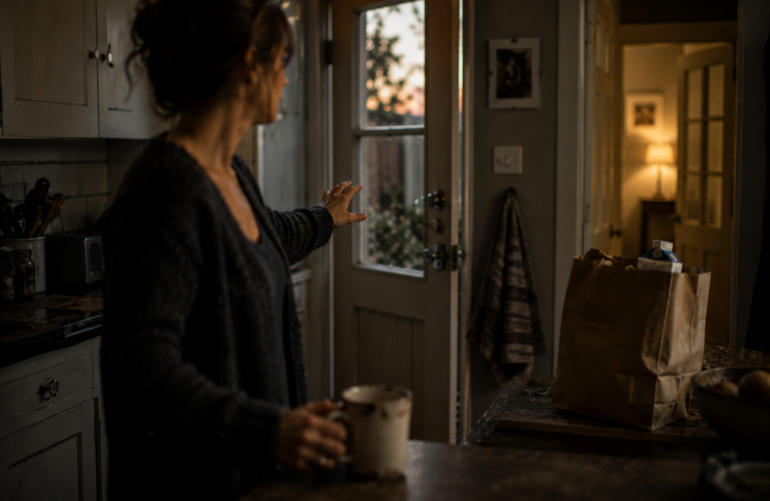
Small domestic flaws can become the pivot of a thriller. When a routine cracks, the first rupture feels intimate and irreversible. Readers linger because the ordinary acquires menace through careful detail. Planting these flaws early lets tension accumulate across…
A single evocative image can be the seed of an entire short story if you learn to build from its edges. Start by observing what the image leaves out as much as what it includes, and let absences suggest…
Small stories often carry the weight of larger ones when they are written with deliberate choices. Focusing on a single moment or relationship can create the impression of a wider world beyond the page. Precise sensory detail and a…
Minor administrative systems — registries, permits, inspection stamps — often live in the background of speculative settings. They shape who moves, who trades, and who is allowed to speak, quietly channeling conflict and motive. Paying attention to these small…
Believable cities in fantasy and science fiction feel lived in because of small, repeatable systems that shape daily behavior. When writers map routines, trade, and movement, they create stakes, texture, and a framework that supports plot and character choices.…