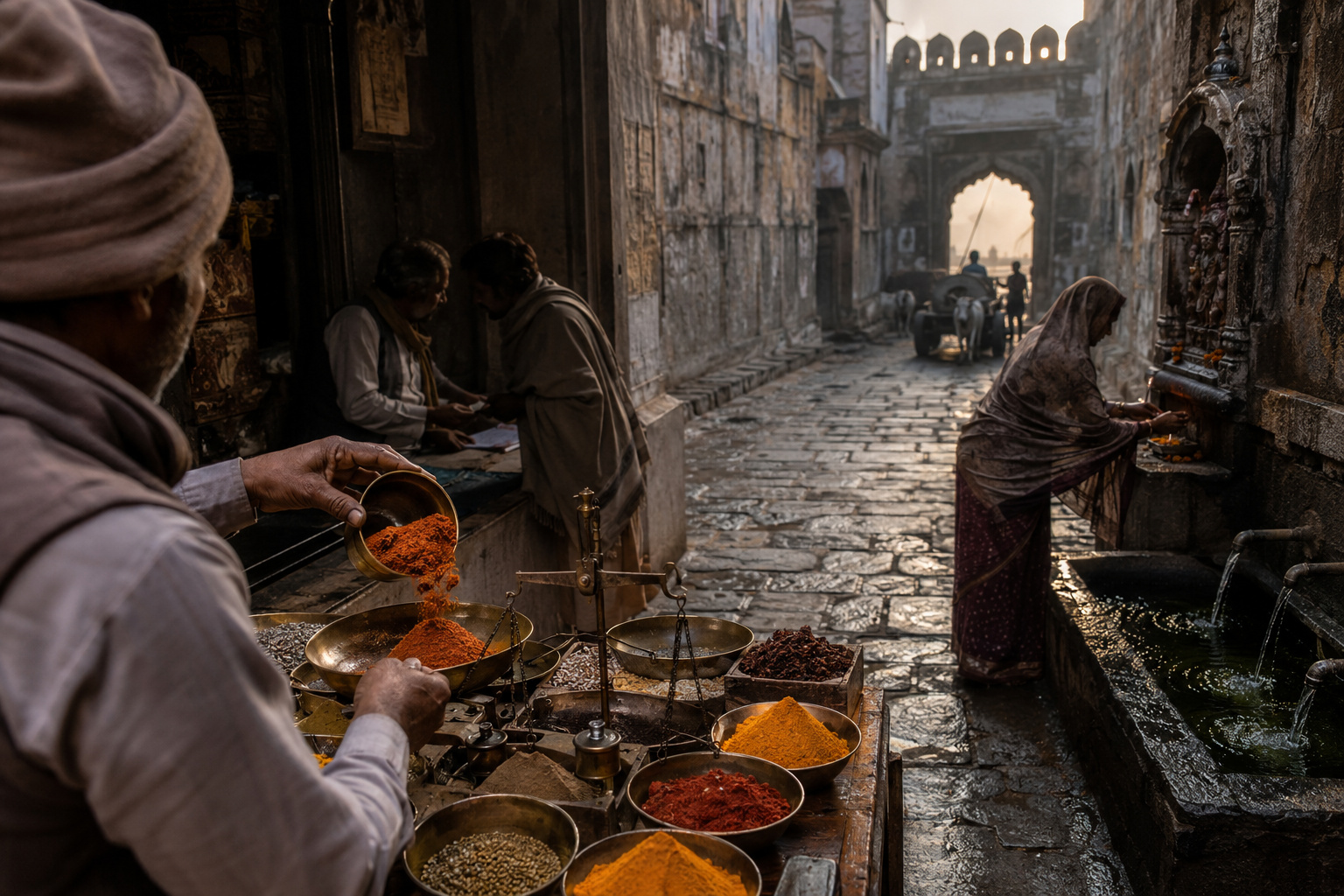
Believable cities in fantasy and science fiction feel lived in because of small, repeatable systems that shape daily behavior.
When writers map routines, trade, and movement, they create stakes, texture, and a framework that supports plot and character choices.
This article examines how neighborhoods, markets, and infrastructure act as storytelling tools, suggesting history, hierarchy, and values through mundane detail.
Practical examples will help you use ordinary rhythms and micro-level systems to reveal culture, conflict, and motivation without heavy exposition.
Neighborhoods and Daily Rhythms
Neighborhoods organize daily life and give characters predictable patterns to break or follow, from morning chores to nocturnal curfews. Describe routes to work, communal spaces, quiet thresholds, and how residents negotiate them while naming smells, sounds, and touchstones that define belonging. These rhythms reveal power—who controls access, when streets clear, and what rituals mark time—so that social order becomes palpable through habit. Grounding a scene in a particular block makes large societal forces feel personal and lets drama arise from small transgressions or favors.
- A gate that opens at dawn indicates labor patterns.
- Neighborhood shrines anchor weekly markets and gossip.
- Shared water sources create routines and disputes.
Layer sensory detail into daily routines to make setting active rather than decorative. Small, repeated actions give readers anchors and expectations they can watch characters test.
Markets, Trade, and Small Economies
Markets are microcosms of economy, belief, and habit; they expose scarcity and abundance at street level, and they display tastes, taboos, and the flow of information. Small trade networks, specialized stalls, and currency quirks can suggest larger systems without explicit exposition, hinting at taxation, guild power, or black markets beneath the surface. Consider how barter, credit, or ritual exchange shape relationships and create narrative tension when debts collide with loyalty or law. A stallkeeper’s gossip or a banned good can launch a subplot tied to social norms, smuggling routes, or the politics of taste and purity.
- A spice that doubles as medicine shifts value and allegiance.
- Ledger-keepers who control credit become political actors.
- Seasonal fairs redistribute goods, rumor, and opportunity.
Use market scenes to compress worldbuilding into compact interactions. They let you reveal rules through barter, rumor, and the consequences of scarcity.
Movement, Thresholds, and Resource Flows
Movement and thresholds—ferries, gates, transit lines, and guarded corridors—structure opportunity and constraint in your world, directing who meets whom and when. Decide where movement is free and where it is controlled, then let characters react to those limits; bureaucratic chokepoints and improvisation both tell stories. Supply lines and waste flows are as telling as palaces and temples in expressing priorities, and the invisible labor that keeps a city functioning reveals moral choices. Logistics inform conflict: a bridge closure, a delayed caravan, or rationed water can pivot a plot, force alliances, and expose vulnerabilities.
Plot can hinge on small failures in movement or resource delivery. Think through who benefits and who suffers when a route is altered.
Conclusion
Rich, routine detail turns a setting into a place that feels inhabited.
Use neighborhoods, markets, and movement to show rather than tell.
These small systems give characters meaningful choices and consequences.