Good nonfiction often begins with an exacting question rather than a diffuse intention. That question works like a lens: it narrows what you record and what you omit. Early clarity about what you want to know keeps scenes purposeful…



Good nonfiction often begins with an exacting question rather than a diffuse intention. That question works like a lens: it narrows what you record and what you omit. Early clarity about what you want to know keeps scenes purposeful…

Every effective nonfiction essay depends on a clear sense of purpose that shapes what the writer includes and what they leave out. Purpose is less a declaration than a design choice that determines which moments matter and how they…

Using short stories as prompt material is a practical way to keep a creative practice active without overwhelming your schedule. Read a brief piece, pause, and let one element—a line, character trait, or setting—become the seed for a fresh…

Short, concentrated stories offer a practical path into sustained attention and imaginative play. When you make a brief narrative part of your day, it becomes a lens for noticing detail, language, and mood. This article outlines why miniature fiction…
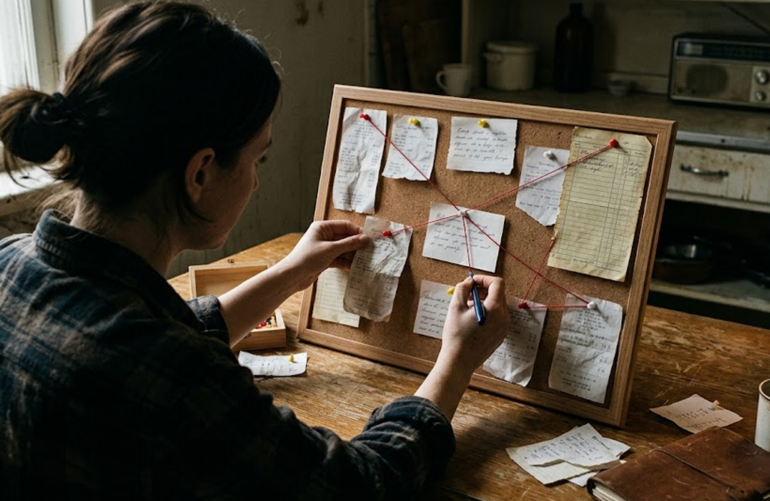
Introduction In the quiet hours after a disturbing discovery, small records often tell a larger story. Detectives and readers of mysteries know that lists, ledgers, and seemingly mundane notes store motives and patterns. This piece explores how minimal artifacts…

The best mysteries do not always begin with a scream; sometimes they start with a detail so small it is easy to overlook. A single misplaced object, a ledger with a missing entry, or a light left on at…

Introduction In short fiction, a single scene can suggest a much larger life beyond the page. Carefully chosen details and focused action turn brief moments into whole worlds. This approach asks writers to be selective, musical, and intentional in…

Introduction Short fiction succeeds when every sentence earns its place and every scene pushes the story forward. Working within constraint — whether a strict word count, a single setting, or a narrow time span — forces writers to prioritize.…

Introduction Language shapes how readers picture a place and the people inside it. Names, idioms, and dialects hint at history, migration, and power structures. Thoughtful linguistic choices make cultures feel lived-in without long exposition. This article outlines practical approaches…

A single chipped teacup, an unusual greeting, or a weathered map can reveal much. These small artifacts and gestures ground readers and suggest histories beyond the page. When writers focus on intimate detail they offer believable motives, economics, and…