There are novels that shout and plot that twists, and then there are books where what isn’t said carries the weight. These five reads reward attention to small gestures, pauses, and the spaces between people. If you enjoy narratives…



There are novels that shout and plot that twists, and then there are books where what isn’t said carries the weight. These five reads reward attention to small gestures, pauses, and the spaces between people. If you enjoy narratives…

There are books that make you feel at home and books that make the familiar feel strange. The reads below tuck tension into kitchens, porches, and sitting rooms—places you recognize until some small detail refuses to fit. These five…

Suspense in mystery and thriller fiction often comes from what remains unsaid as much as what is revealed. Small details, withheld motives, and restrained action build a sense of foreboding that keeps readers turning pages. This introduction outlines subtle…

Every effective mystery begins with a map of intention and misdirection. Good plotting balances what readers know with what they suspect, nudging curiosity forward. Early choices about clues and red herrings set the tone for the entire narrative. This…
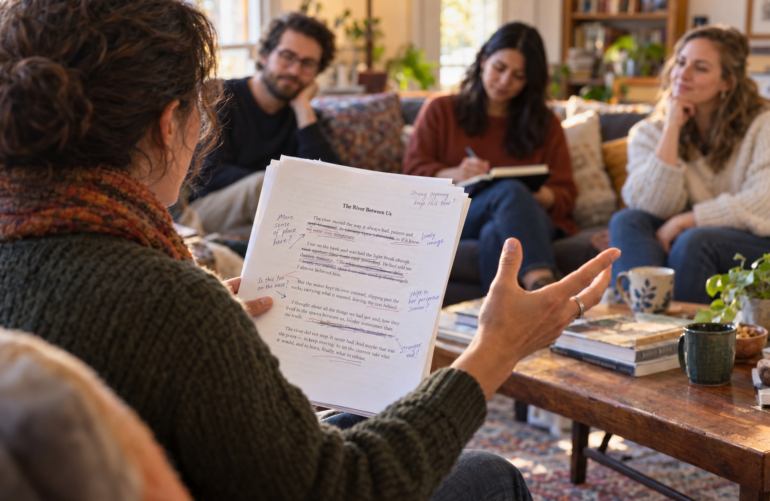
Voice is the element that makes a short story feel singular and memorable. It is the combination of diction, rhythm, and perspective that determines how readers experience narrative events. For short fiction, where space is limited, a distinct voice…

Setting in short fiction does more than locate action; it shapes characters, mood, and narrative stakes. Because space is limited, every environmental detail must justify itself and advance theme or tension. Thoughtful settings can imply backstory, reveal personality, and…

Cities in speculative fiction are never just backdrops — they act like living puzzles, full of alleys that hide trades, histories, and rules you only notice after a chapter or two. If you like streets that rearrange themselves, neighborhoods…

Memory in these novels isn’t just personal history — it’s a tool, a weapon, a landscape. Some stories ask what a society becomes when people start forgetting important things; others imagine technologies that let one person’s recollection rewrite reality…

Good nonfiction communicates an idea clearly while keeping readers interested through human detail and purposeful structure. A strong narrative begins with a clear focus and respect for the reader’s time and attention. Early choices about scope and voice shape…

Clear nonfiction begins with intentional organization: readers need a reliable path through information. Start by defining the core idea you want them to retain and group related facts around that center. Prioritize points by relevance rather than by the…