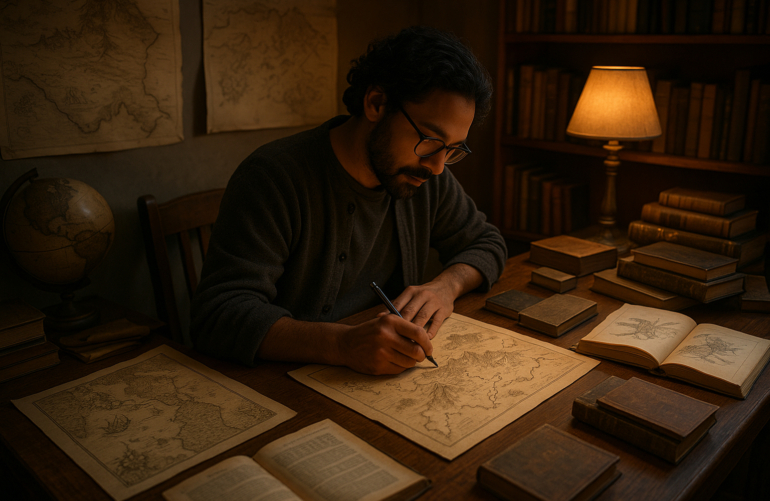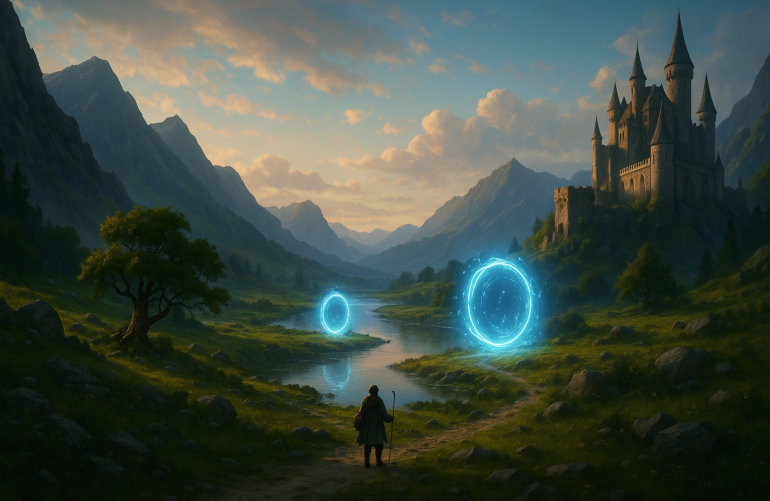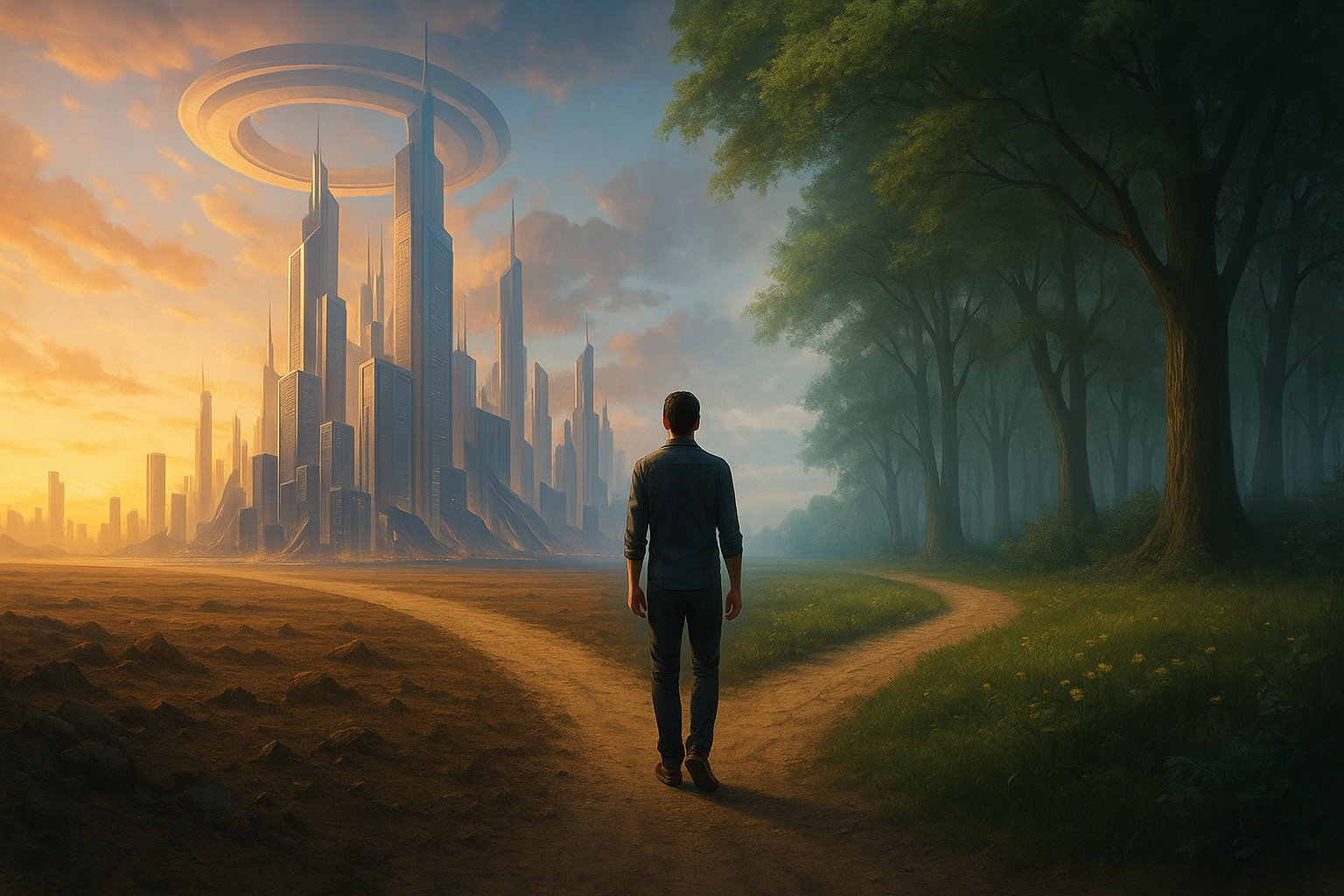
Every great story begins with a question — what if? What if time could be rewritten? What if the world worked differently? What if one small choice changed everything? The question of “what if” has fueled some of fiction’s most powerful works, from science fiction epics to psychological dramas. Alternate realities invite readers to step beyond the familiar and explore the endless possibilities of human experience. They allow writers to test boundaries — not only of imagination but of morality, emotion, and identity.
The Allure of the Unknown
The human mind is naturally drawn to possibility. Alternate realities give readers a chance to peek behind the curtain of “what is” and glimpse “what could be.” Whether it’s a parallel universe, a reimagined history, or a futuristic world, these stories feed curiosity about life’s deeper questions. They allow us to examine ourselves through different lenses — to see how people, societies, and choices might evolve under altered circumstances. In doing so, alternate realities challenge our understanding of normality and truth.
Fiction as a Laboratory for Ideas
Writers often use alternate realities as creative laboratories — places where rules can be broken and redefined. In these imagined worlds, authors experiment with time, technology, and human behavior. They explore ethical dilemmas without the constraints of reality. What happens when machines become conscious? What if humanity lives on another planet? What if one law or decision in history had changed? By asking such questions, fiction helps readers engage with complex topics like power, freedom, and destiny in an accessible, emotional way.
Reflection Through Imagination
Though alternate realities seem fantastical, they often mirror real-world struggles. Dystopian and utopian fiction, for example, reflect our fears and hopes about the future. Stories set in alternate histories help us reconsider the past — showing how fragile progress and justice can be. Even purely imaginative worlds often highlight human resilience, morality, or the search for meaning. The brilliance of “what if” storytelling lies in how it uses fantasy to tell the truth. The unreal becomes a lens through which we understand reality more deeply.
The Emotional Pull of Possibility
Alternate realities don’t just engage the intellect — they engage the heart. They invite readers to imagine themselves in different lives, facing choices that test courage and conviction. This emotional connection makes speculative fiction one of the most immersive forms of storytelling. When done well, these stories linger long after the final page because they make us question the world we live in — and the worlds we build within ourselves.
Why “What If” Matters Now
In a rapidly changing world, the question of “what if” feels more relevant than ever. Technology, climate, and cultural shifts constantly reshape reality, and fiction gives us a safe space to explore their consequences. Alternate realities act as both warning and inspiration — a way to confront uncertainty with creativity. They remind us that the future is not fixed, and imagination may be our greatest survival tool.
Conclusion
Alternate realities in fiction captivate because they combine imagination with insight. They take the impossible and make it meaningful. By asking “what if,” writers and readers alike expand their understanding of what it means to be human — flawed, curious, and endlessly inventive. In a way, every act of storytelling is an alternate reality — a parallel version of the world shaped by hope, fear, and the limitless power of imagination.