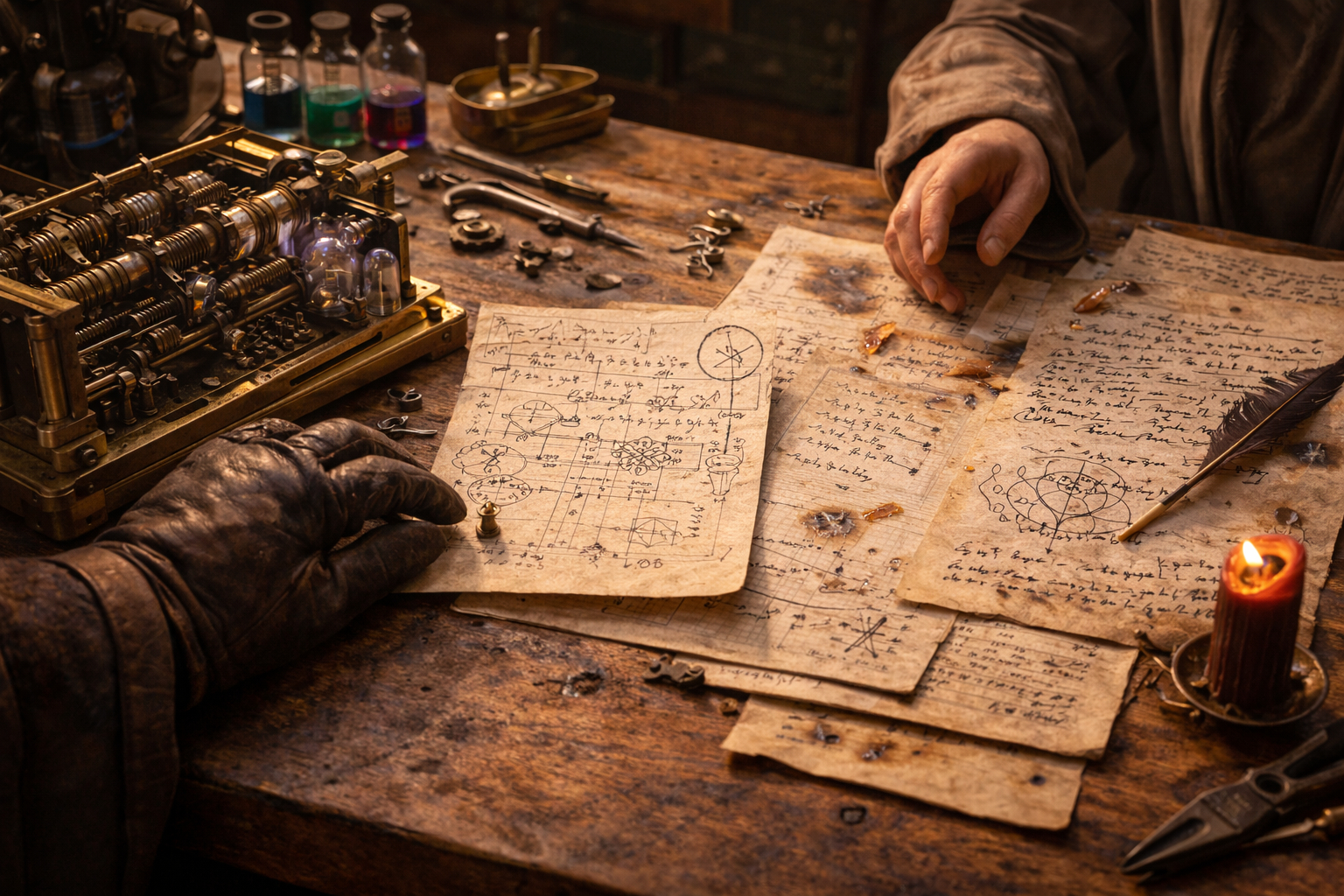
Blending magic and technology in speculative fiction demands clear rules and thoughtful constraints.
When those systems interact, they must feel inevitable rather than arbitrary to readers.
Establishing consistent logic helps maintain narrative tension and opens room for surprising consequences.
This article outlines practical approaches to make hybrid worlds coherent and compelling.
Establish core principles
Begin by defining what each system can and cannot do and why. Good worldbuilding treats magic like a branch of natural law, with costs, limits, and measurable effects. Technology should obey the same baseline universe so conflicts arise from constraints, not author convenience. Early clarity prevents later contradictions and supports plot decisions. Documenting those rules early makes worldbuilding easier during revisions.
– Define energy sources and conservation rules.
– Decide whether knowledge or faith drives magical effects.
These foundations create boundaries writers can push against; tension comes from attempts to circumvent them. Readers reward inventive solutions that respect the rules.
Let technology translate magic
Consider technology as a translator, amplifier, or regulator of magical phenomena. Devices might measure auras, stabilize ritual conditions, or channel enchantments into consistent outputs. Framing tech as applied theory of mystical principles gives both fields mutual credibility and avoids making one a deus ex machina. This approach encourages scenes where technicians and mages collaborate or clash over methodology. Concrete limitations on interfaces prevent easy fixes and enrich plot complications.
– Make prototypes imperfect to show experimentation.
– Use interface mechanics to explain how users control power.
Allowing trial and error grounds the hybrid system in effort and cost. It also opens narrative space for innovation and failure.
Societal ripples and storytelling opportunities
Hybrid systems shape economies, institutions, and daily life in ways writers can exploit for drama. Who owns the means to harness energy or codify spells becomes a central political question, and access disparities create believable conflict. Think about education, regulation, and black markets that emerge when power can be manufactured or bought. These elements provide stakes beyond single set-piece conflicts.
– Show mundane adaptations, like enchanted infrastructure or maintenance guilds.
– Explore ethical debates about augmentation and surveillance.
Embedding these consequences into character arcs deepens world realism. Small cultural details often convince readers more than grand proclamations.
Conclusion
Clear, enforceable rules let magic and machines coexist without undermining stakes.
Treat both systems as subjects of inquiry, with costs, failures, and solutions.
When rules drive plot and character, hybrid worlds feel both wondrous and credible.