Introduction
Worldbuilding is more than map-making; it is the careful stitching of daily life into fictional spaces.
When a city feels lived-in, readers stop noticing exposition and start noticing people.
This article gives practical approaches to design cities that support story, character, and theme.
Apply small details, historical layers, and sensory logic to make settings feel inevitable and believable.
These techniques suit fantasy or science fiction settings alike, with adjustments for technology.
Ground the Setting with Everyday Details
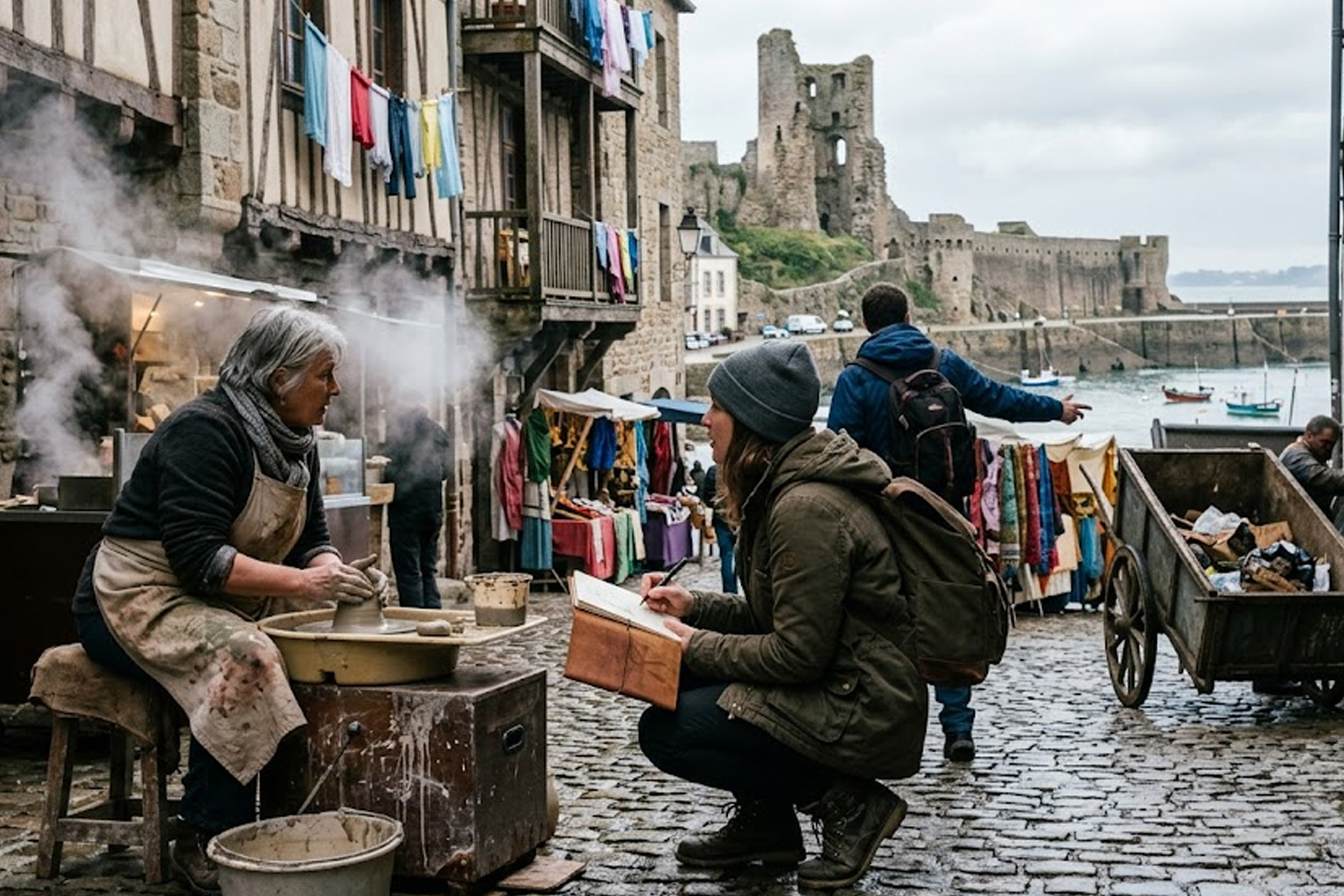
Start with mundane routines: markets, waste removal, commuting patterns, and where people sleep.
These details shape architecture, tempo, and a reader’s sense of social scale.
Avoid dumping a list; weave specifics into scenes where characters interact with them.
A baker’s shift, a toll bridge, or a communal washing house can tell social stories.
Observe how small trades cluster and how rumor travels between alleys.
- Daily rhythms and schedules
- Infrastructure and waste systems
- Market stalls and craft districts
- Neighborhood superstitions and taboos
Pick two or three recurring details to anchor scenes.
Let them echo and evolve.
Rotate those details through different characters to reveal social bonds.
Let History and Conflict Shape Places
History leaves scars that explain present inequalities, street layouts, and local superstitions.
Decide key turning points: wars, migrations, resource booms, or ecological shifts.
These events justify oddities like abandoned wards, fortified quays, or a district of glass.
When conflict shaped a neighborhood, characters from that area should carry its memory.
Local memory appears in names and in the built environment, not just in a timeline.
Make history visible but not encyclopedic.
Use artifacts, place names, and festivals to reveal depth.
Let characters disagree about the past to create flare and nuance.
Use Sensory and Functional Logic
Sensory accuracy grounds the fantastic: smell of brine, the click of a tram, or the taste of street broth.
Think through how magic or technology changes everyday senses and labor.
Functional logic answers questions readers will ask: how do people get water, dispose of dead, or light streets?
When systems make sense, even strange features feel plausible.
Consider seasonal shifts and how they alter work, smells, and social rhythms.
Test settings by explaining them to a reader unfamiliar with the world.
If gaps appear, refine the sensory and functional details.
Document these tests in a simple reference so you keep consistency across drafts.
Conclusion
Lived-in cities arise from repeating, meaningful details, layered history, and coherent functions.
Write to reveal, not to explain; trust readers to piece together the world.
Applied consistently, these techniques turn setting into an active character in your story.