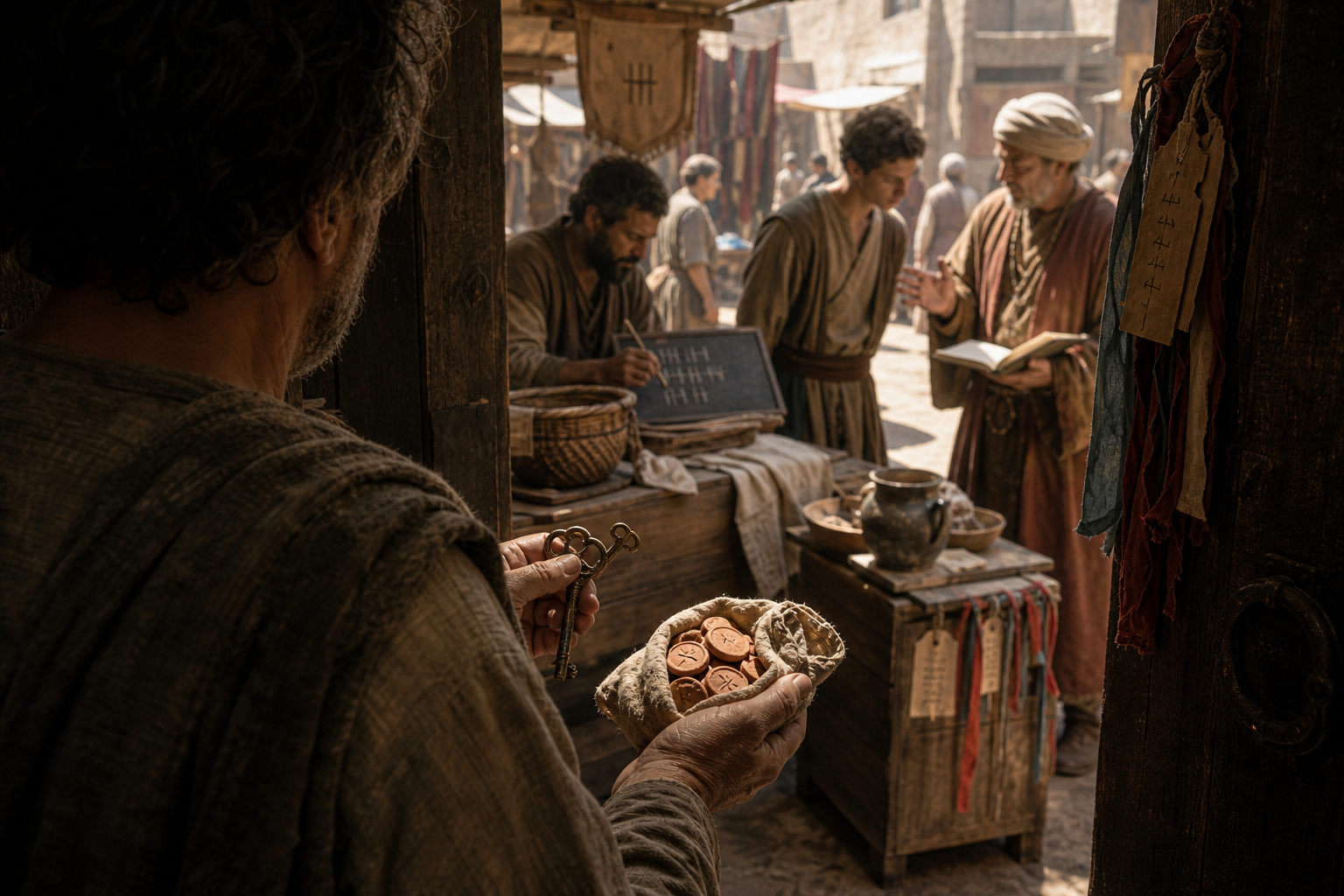
Imagined worlds often hinge on invisible domestic and civic networks that route power, resources, and obligation.
Small interactions—household hierarchies, market stalls, shared rites—translate into large social currents in speculative settings.
When writers deliberately map these everyday connections they produce settings that feel lived-in and politically coherent.
This piece outlines practical ways to render domestic networks and their power dynamics without overwhelming the plot.
Households as Political Nodes
In many speculative societies a household functions as a basic administrative unit where lineage, labor, and debt converge.
Detailing who holds keys, who keeps accounts, and who mediates disputes creates immediate textures of authority.
Consider how kinship rules determine access to resources or how domestic turns of phrase encode obligations.
These choices cascade outward: a clan’s inheritance practice can shape trade, migration, or rebellion.
Marginalized households might develop parallel economies or clandestine unions that subvert official structures.
Use a few concrete domestic scenes to show structural tensions rather than explain them.
Let routine chores or evening arguments reveal who wields influence and why.
These small acts accumulate into broader institutional patterns.
Markets, Labor, and Informal Authority
Public exchange sites are more than commerce; they are forums where reputation, information, and favors circulate.
A vendor’s stall can double as a bulletin board, a court of appeal, or a place to broker marriages.
Think about labor rhythms—who works at dawn or at night—and how that schedules social interaction and power.
Embedding informal credit systems or guild rituals gives texture and constraints that characters must navigate.
Over time, patterns of credit and reputation harden into institutions with their own enforcement.
- Local credit ledgers track favors and debts across families.
- Guild initiation rites create both training and exclusive authority.
- Street gossip transmits news faster than official dispatches.
Ground economic detail in personal stakes to avoid data dumps.
Show how markets enforce or subvert formal laws.
Networks of Knowledge and Ritual
Knowledge networks—teachers, apprentices, scribes, healers—mediate what counts as expertise and legitimacy.
Ritual calendars and shared remembering create rhythms that bind communities and mark outsiders.
When rituals tie into practical skills like irrigation or navigation, belief and utility interlock and resist easy separation.
Specifying who can perform rites, and what skill transmission costs, yields plotable levers.
Record-keepers and oral historians control both memory and the meanings attached to events.
Use conflicts over access to knowledge to drive tension and character choices.
These disputes can scale from a single village to the politics of entire regions.
Those who control narratives can invalidate opponents without a single sword.
Conclusion
Domestic networks are the scaffolding of believable speculative societies.
Focus on interactions, not exposition, to show power at work.
Small routines become the seeds of large conflicts and vivid worldbuilding.