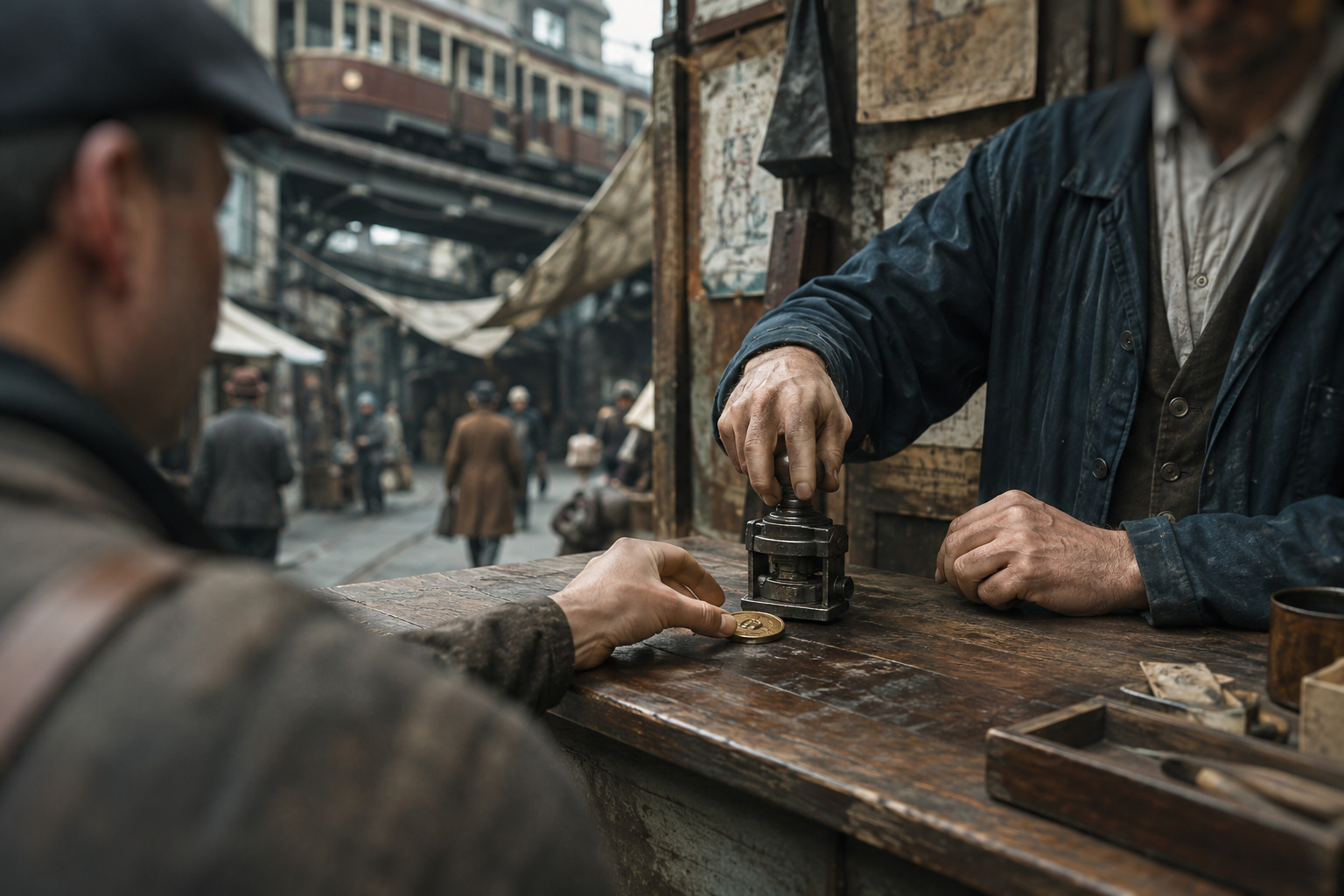
Small, ordinary systems give speculative settings weight and plausibility. When readers encounter familiar routines inside strange worlds, they find an anchor that lets wonder feel intentional rather than arbitrary. Authors can seed those routines early — market habits, transit norms, or simple paperwork — to orient readers. Doing so creates a foundation for larger fantastical or technological surprises.
Daily Systems as Narrative Tools
Daily systems are narrative shorthand: they show how a society organizes time, labor, and value without exposition-heavy infodumps. A ritualized commute, a currency exchange ritual, or municipal waste disposal can reveal power structures and priorities. By focusing scenes on these small interactions, writers expose macro-level design through micro-level choices. That approach keeps pacing tight and information natural. Scene composition can highlight who benefits and who is excluded.
Use observation scenes to let readers infer rules rather than spelling them out. Small details compounded across chapters build cumulative credibility.
Micro-Institutions and Their Stories
Micro-institutions — guilds, seed exchanges, neighborhood adjudication courts — are compact engines of belief and conflict. They often illustrate how law, custom, and technology intersect in ways a grand institution cannot. Giving them histories and contested practices makes the world feel lived-in and contested. They also provide ready-made plot hooks and local stakes.
Make a micro-institution’s procedures meaningful to characters’ goals. Their friction can generate drama without contrived threats.
Objects, Routines, and Cultural Memory
Objects and routines act as mnemonic anchors: heirlooms, public signage, and ritual tools carry layered meaning. A broken conveyor belt, a festival lantern, or an old ledger can hint at past catastrophes, migrations, or innovations. When characters interact with these items, their actions reveal values and unspoken histories. The tangible helps readers map social memory onto physical space.
Describe sensory specifics to ground objects in scenes. Small, repeated gestures are powerful shorthand for cultural continuity or decay. These echoes reward attentive readers.
Conflict Emergence from Mundane Mechanics
Many dramatic tensions start with routine breakdowns: a transit strike, ration miscounts, or bureaucratic misclassification can ripple into larger crises. Friction in ordinary systems produces believable escalation and root causes that feel organic. This method also allows moral complexity — characters may exploit, uphold, or reform systems rather than face arbitrary antagonists. Grounding conflict in mechanics helps readers understand stakes and reactions.
Plan how small failures amplify across scales to craft satisfying plot arcs. Let protagonists confront the system’s logic, not only its villains. Structures become antagonists when everyday rules fail.
Conclusion
Everyday mechanics give speculative fiction an anchor of realism. Use small systems to reveal culture, history, and conflict. Those details turn wonder into something readers can inhabit.