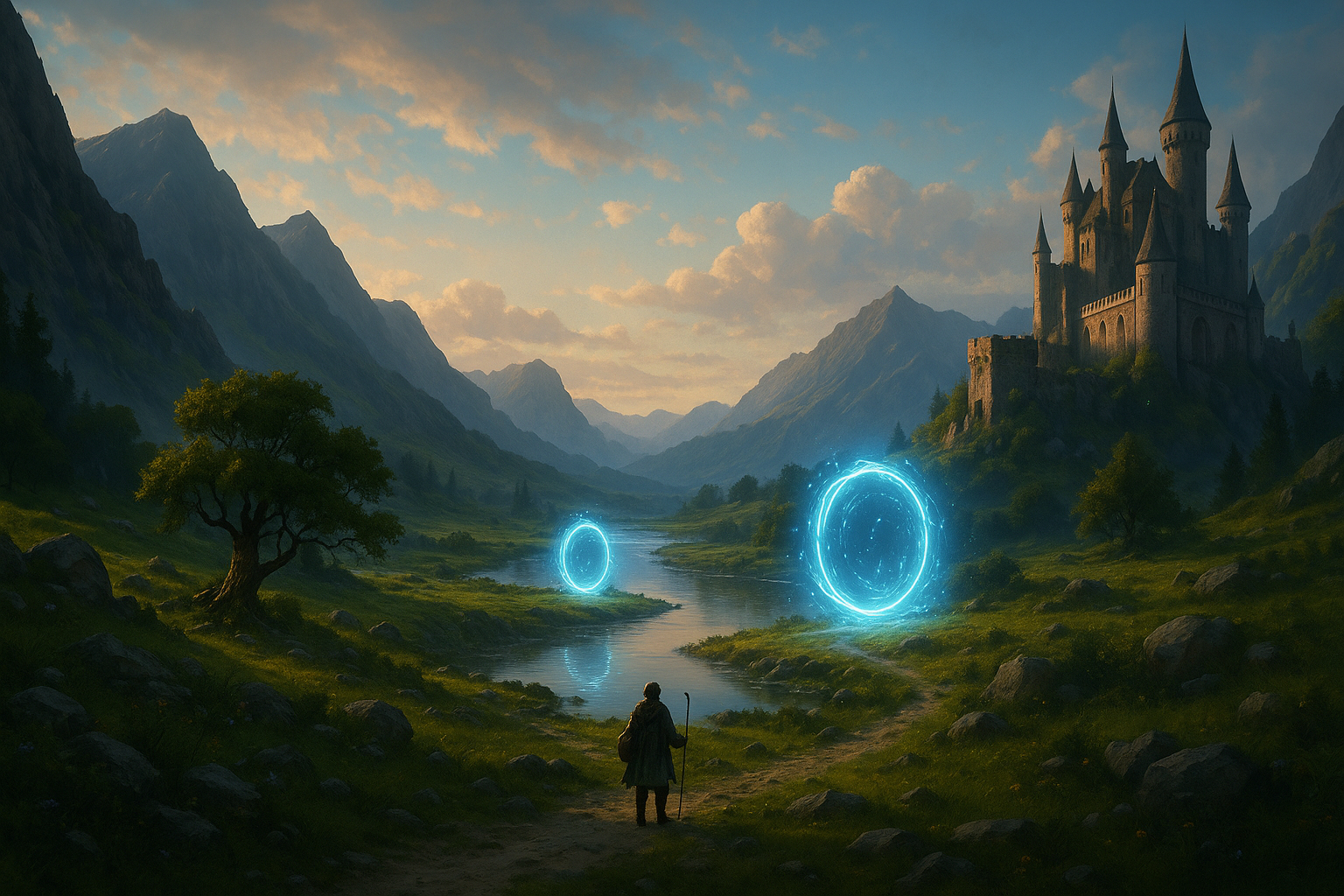
Fantasy fiction has always captured the boundless imagination of readers, transporting them to worlds filled with magic, myth, and wonder. From Tolkien’s meticulously crafted Middle-Earth to the sprawling multiverse landscapes of today, the genre has evolved from classical tales of good versus evil into a rich tapestry of cultures, philosophies, and realities.
The Golden Age of World-Building
The foundation of modern fantasy was laid by visionaries like J.R.R. Tolkien and C.S. Lewis. Their works—The Lord of the Rings and The Chronicles of Narnia—introduced immersive storytelling where every map, language, and legend felt alive. Tolkien’s Middle-Earth redefined world-building, setting a new standard for depth and authenticity. Readers didn’t just visit these worlds—they lived in them. These early stories were rooted in mythology and morality, offering timeless lessons through fantastical adventures.
The Rise of Complex Realities
As the genre matured, fantasy began to explore the darker, more ambiguous sides of human nature. Writers like George R.R. Martin and Ursula K. Le Guin shifted focus from epic battles to personal conflicts and moral dilemmas. Martin’s A Song of Ice and Fire blurred the lines between hero and villain, while Le Guin’s Earthsea series examined balance, identity, and power. This era marked a transformation—fantasy was no longer pure escapism; it became a reflection of real-world struggles told through otherworldly lenses.
Entering the Age of the Multiverse
In the 21st century, fantasy has expanded beyond single worlds into interconnected universes. Movies, games, and streaming series have pushed the genre into new dimensions—literally. Stories like Doctor Strange, Everything Everywhere All at Once, and The Witcher explore infinite possibilities across timelines and realities. Technology has also allowed fans to experience fantasy through virtual reality, interactive storytelling, and global communities that build shared mythologies.
The Future of Fantasy
Today’s fantasy fiction is more inclusive and experimental than ever. Authors are blending cultures, reimagining folklore, and using fantasy to question identity, politics, and society. The genre’s greatest strength lies in its adaptability—it evolves with its readers, reflecting their dreams and fears across time and space.
Conclusion
From the Shire to the multiverse, fantasy fiction has transcended its origins to become a mirror of imagination itself. What started as mythic storytelling has grown into a limitless exploration of creativity and consciousness. The journey of fantasy is far from over—it continues to remind us that beyond every door lies another world waiting to be discovered.