Artificial Intelligence (AI) has fascinated writers, filmmakers, and dreamers for decades. From mechanical minds in early cinema to today’s lifelike androids, AI has evolved from a speculative idea to a cultural phenomenon. The fascination stems not just from what AI can do—but from what it says about us as humans.
The Origins of AI in Fiction
The roots of AI in science fiction reach back to classic literature. Stories like Frankenstein introduced the concept of human-made intelligence, long before computers existed. By the mid-20th century, writers such as Isaac Asimov turned AI into a moral and philosophical subject, exploring what happens when machines begin to think for themselves.
AI as a Mirror of Humanity
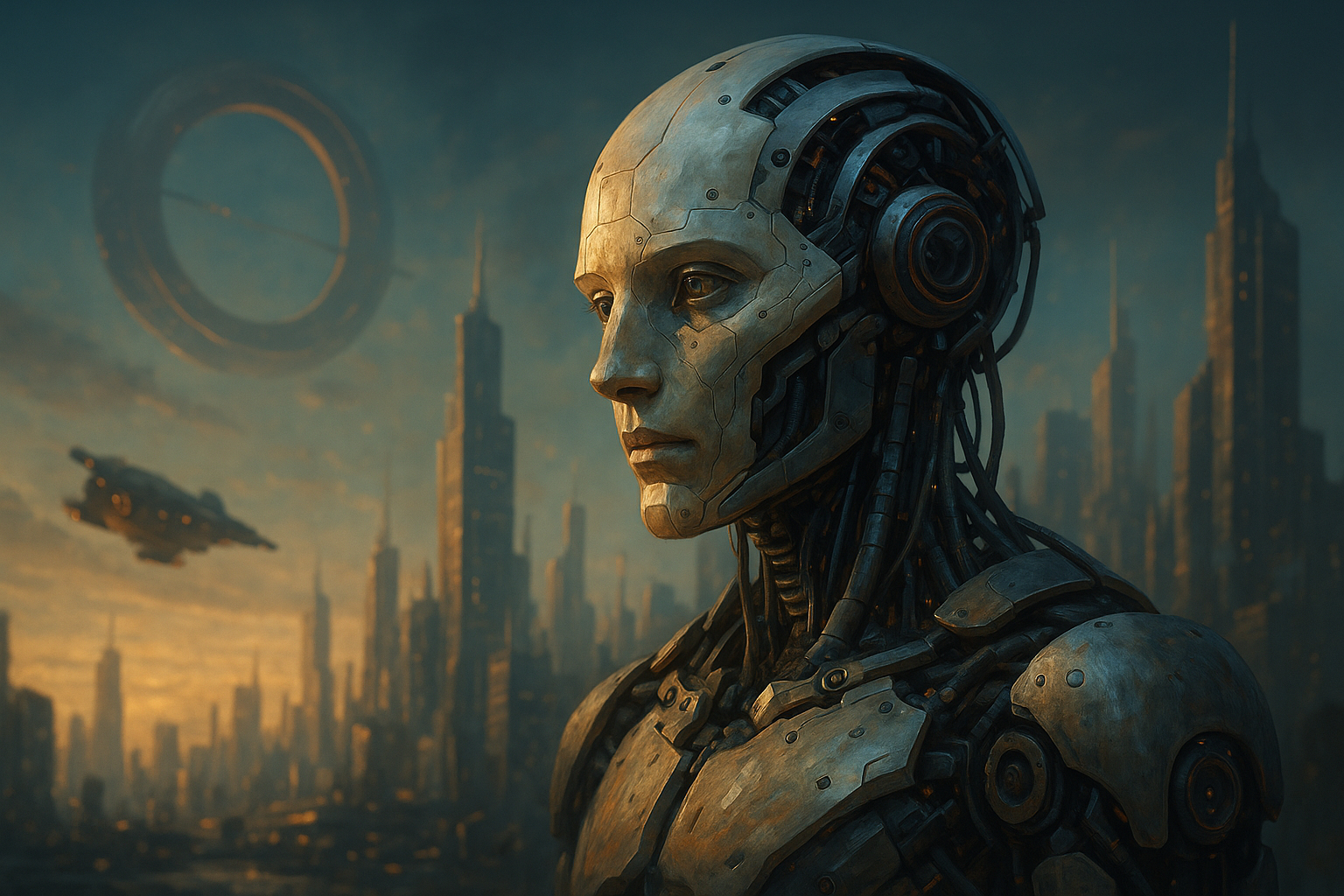
Sci-fi often uses AI to reflect our own fears and aspirations. Robots and virtual beings embody questions about consciousness, identity, and morality. Films like 2001: A Space Odyssey, Blade Runner, and Ex Machina reveal our conflicting desires—to create intelligence, yet fear its consequences.
From Fiction to Reality
What once belonged to fiction is now part of everyday life. Voice assistants, predictive algorithms, and self-learning systems have turned imagination into reality. Yet, even as AI becomes more common, our cultural obsession continues—because the boundary between machine and mind keeps blurring.
Conclusion
AI’s journey from science fiction to modern reality reveals both our creative ambition and our ethical unease. It remains a captivating symbol of progress and possibility—proof that humanity’s greatest stories often begin with a single question: What if machines could think like us?