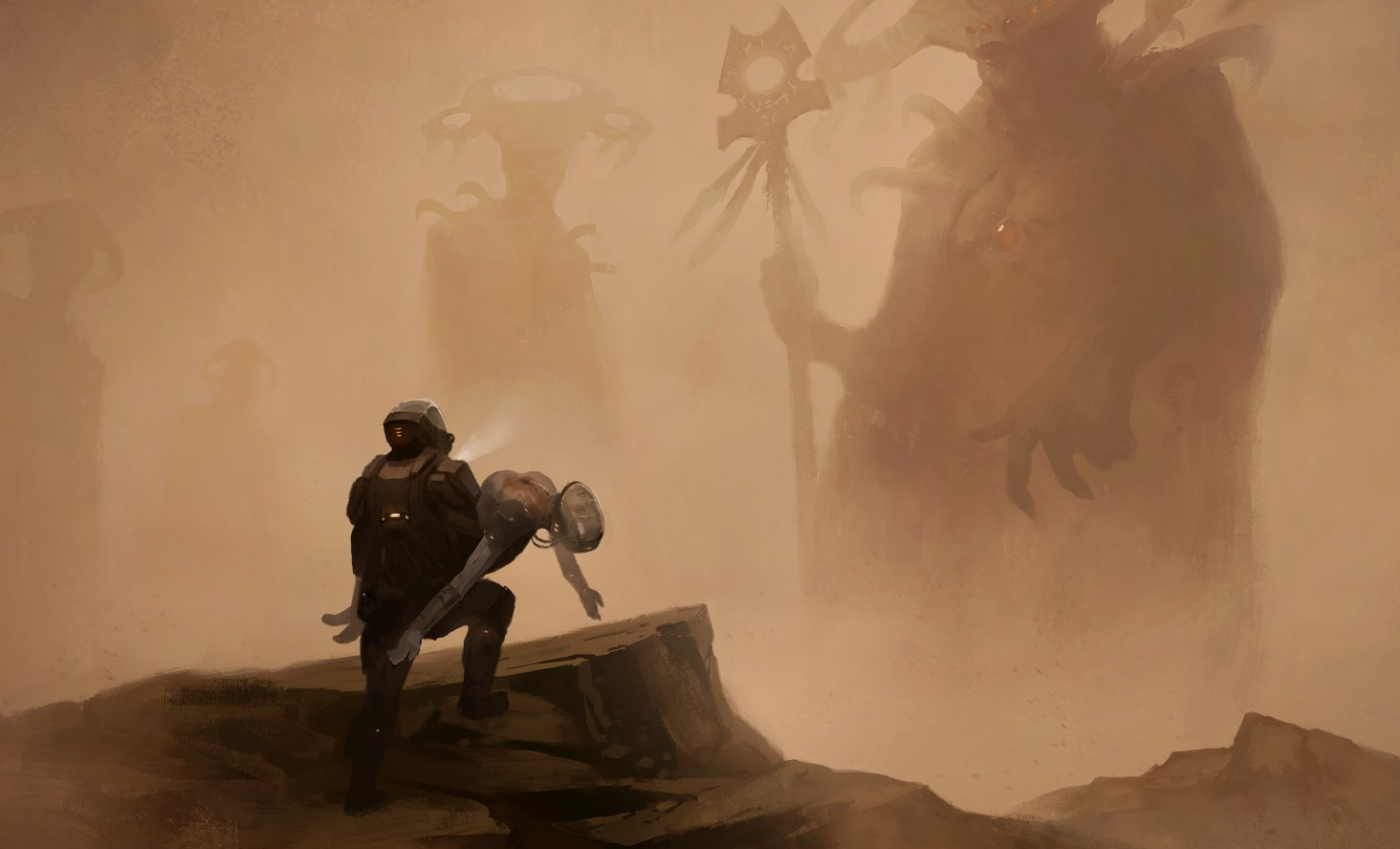
Science fiction has always thrived on uncertainty. By pushing beyond the boundaries of what is known, the genre gives shape to humanity’s deepest fears about unfamiliar worlds, advanced technology, and unseen forces. Sci-fi doesn’t simply invent the unknown—it uses it as a mirror to reflect anxiety, curiosity, and wonder. Through distant planets, artificial intelligence, and alternate realities, these stories allow audiences to safely confront what lies beyond understanding. In doing so, science fiction turns fear into a powerful engine for imagination and insight.
The Unknown as a Narrative Catalyst
At the heart of many sci-fi stories is something unexplained: an alien presence, a mysterious signal, or a technology no one fully understands. This uncertainty drives tension and curiosity at the same time. Writers often withhold information deliberately, placing characters and readers in the same position of uncertainty. The fear comes not from immediate danger, but from the absence of knowledge. This mirrors real human psychology, where uncertainty is often more unsettling than known threats.
Technology as a Source of Anxiety
Science fiction frequently explores fear through rapidly advancing technology. Artificial intelligence, genetic engineering, and autonomous systems raise questions about control, ethics, and identity. These stories tap into concern about creating things that surpass human understanding or authority. By exaggerating technological possibilities, sci-fi gives form to real-world anxieties about dependence, loss of agency, and unintended consequences.
Alien Worlds and Existential Fear
Encounters with alien life are another classic way sci-fi explores the unknown. These beings often represent radical difference—cultures, biology, or intelligence that humans struggle to comprehend. The fear is not always about invasion, but about insignificance and displacement. Such stories ask uncomfortable questions about humanity’s place in the universe and challenge assumptions about dominance, intelligence, and survival.
Why Fear Makes Sci-Fi Meaningful
Fear in science fiction is rarely pointless. It forces characters to adapt, question assumptions, and redefine values. By confronting the unknown, sci-fi encourages resilience, curiosity, and ethical reflection. These stories reassure audiences that fear can coexist with discovery—and that understanding often begins with discomfort.
Conclusion
Science fiction uses the fear of the unknown to explore humanity’s limits, anxieties, and hopes. By transforming uncertainty into story, the genre helps audiences face what they don’t yet understand. In doing so, sci-fi reminds us that fear is often the first step toward discovery.